Volunteer Firefighters Face Crisis as Numbers Plummet
Volunteer firefighter numbers in the U.S. have hit a 40-year low, impacting emergency response capabilities. A new series, 'American Inferno,' sheds light on the dangerous realities faced by these essential community members. The decline raises concerns about future disaster response and the sustainability of volunteer services.

Volunteer Firefighters Face Crisis as Numbers Plummet
America’s volunteer fire departments are facing a serious shortage. Numbers are at their lowest in 40 years. In New York State, volunteer firefighter numbers have dropped significantly. In the early 2000s, there were about 120,000 volunteer firefighters. Today, that number is down to around 80,000. This decline affects 90% of fire stations in the state.
This drop in volunteers comes at a time when the country is facing more destructive fires. Last year alone, over 5 million acres burned. These fires caused more than $50 billion in economic losses. Firefighters are dealing with fast-moving flames, sudden wind changes, and collapsing buildings. They make life-or-death decisions in seconds.
A Dangerous Reality, Not Entertainment
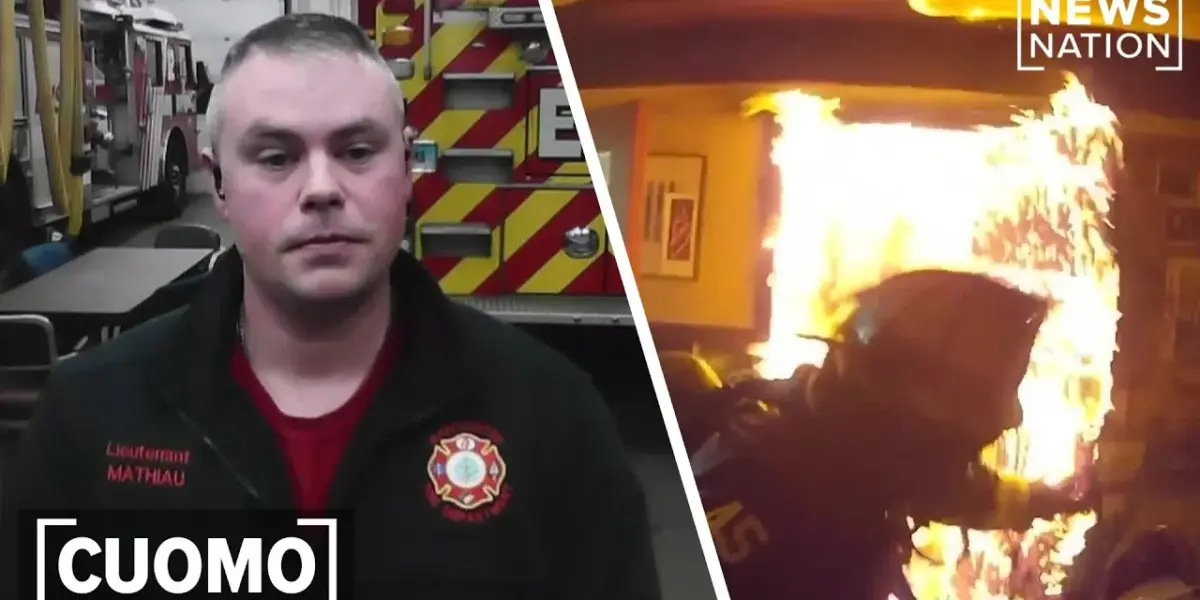
A new series called ‘American Inferno’ aims to show the public the real challenges firefighters face. Lieutenant Brian Matthew, from the Manchester, Connecticut Fire Department and host of the series, wants to show the truth. He explains that TV shows often make firefighting look like entertainment. The reality is very different. Inside burning buildings, it’s pitch black, extremely hot, and dangerous.
‘American Inferno’ shows actual first-hand video captured by firefighters. These are not staged scenes. The series gives the public a clear look at what firefighters experience. It highlights the intense heat, the lack of visibility, and the constant danger.
Why People Become Firefighters
Becoming a firefighter, especially a volunteer, is not something people stumble into. Lieutenant Matthew describes it as a calling and a passion. He couldn’t imagine doing anything else. He emphasizes that it is a dangerous and very hard job. It requires a lot of physical effort.
The series also touches on how firefighting is similar to military service in its volunteer nature. Both roles ask civilians to face dangerous situations. This is especially true now with low staffing across many public service jobs.
A Decline in Public Service?
There seems to be a broader trend of declining interest in public service roles. This includes not just firefighting, but also police work and other emergency services. The reasons for this decline are not fully clear. However, the impact is significant, leaving departments understaffed and relying more heavily on fewer individuals.
Firefighters do more than just put out fires. Their duties include responding to car crashes, medical emergencies, and various rescue operations. The list of tasks is long and demanding. The series ‘American Inferno’ hopes to bring more attention to this vital service. It aims to inspire people to consider joining. It also seeks to increase public recognition for the sacrifices made by these brave men and women.
Global Impact
The shortage of volunteer firefighters in the U.S. has wider implications. It highlights a potential weakening of community support systems. These systems are crucial for responding to local emergencies. The increasing frequency and intensity of wildfires, linked to climate change, put even more strain on these resources. A reduced volunteer force means longer response times and potentially greater losses from disasters. This situation could serve as a warning for other countries that rely on volunteer emergency services.
Historical Context
Volunteer fire departments have a long history in the United States, dating back to the colonial era. They were often formed out of necessity in communities where formal fire services were non-existent. This tradition of civic duty and mutual aid has been a cornerstone of American communities. The current decline challenges this historical model of community self-reliance. It raises questions about how these vital services will be sustained in the future.
Economic Considerations
The economic losses from wildfires are staggering, exceeding $50 billion last year alone. A stretched and understaffed fire service can exacerbate these costs. Delayed response or insufficient resources can lead to larger fires and more destruction. This impacts not only property but also local economies, insurance rates, and long-term recovery efforts. The cost of not having enough firefighters is measured in both dollars and lives.
Future Scenarios
One possible future is a continued decline in volunteers, leading to increased reliance on professional, paid firefighters. This would require significant public funding increases. Another scenario is a renewed effort to recruit and retain volunteers, perhaps through better incentives, community outreach, and public awareness campaigns like ‘American Inferno’. A third possibility is increased automation or technological solutions in firefighting, though these are unlikely to fully replace the human element in the near future.
Source: ‘American Inferno:’ Behind the scenes of firefighter life | CUOMO (YouTube)

Related Articles

Governor Removed From Restaurant After Overstaying Welcome
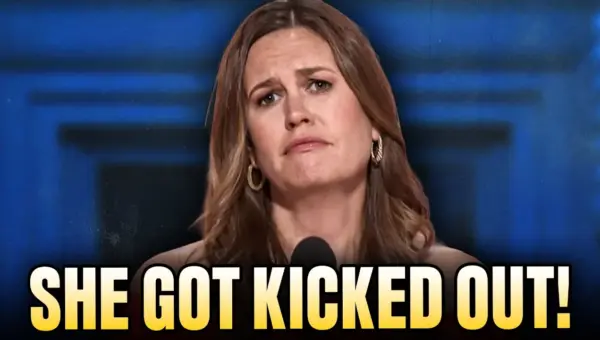
Arkansas Governor Sarah Huckabee Sanders and her security detail were asked to leave a local restaurant after reportedly occupying a table for over an hour. The owners cited standard business practice for managing customer flow, while the governor's office described the action as discriminatory. The incident highlights the tensions between public figures and local businesses in a polarized environment.
Bob Mueller Remembered for Integrity, Public Service Legacy
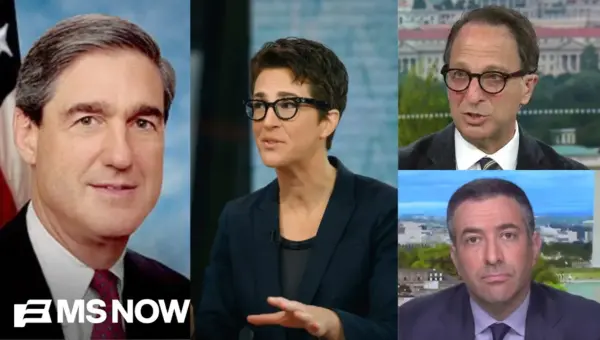
Robert Mueller, a former FBI Director and Special Counsel, is being honored for his decades of unwavering integrity and dedication to public service. His nonpartisan approach to investigations, particularly the Trump-Russia probe, is highlighted as a model for public officials. Colleagues remember his deep commitment to accountability and loyalty, marking him as a rare figure in American public life.
US Government Shutdown Sparks Worker Crisis
US government shutdowns are placing essential workers, like TSA officers, in severe financial hardship. Forced to work without pay, many struggle with basic expenses like transportation, highlighting a critical flaw in federal employee support during fiscal deadlocks.