Airport Chaos Creates Soft Targets for Terror
Long lines and staff shortages at U.S. airports during the government shutdown create dangerous security gaps, making them 'soft targets' for terrorists. Former TSA Administrator John Pistole warns that both physical and cyber threats are heightened, especially with current geopolitical tensions.


Airport Chaos Creates Soft Targets for Terror
Long lines and staff shortages at U.S. airports, caused by the government shutdown, are creating dangerous security gaps. These issues make airports easy targets for potential terrorists, according to former TSA Administrator John Pistole. The chaos isn’t just inconvenient; it’s a serious security risk.
Why Airports Are Now ‘Soft Targets’
The current government shutdown has led to many TSA workers not showing up for work. This is because they are not getting paid. As a result, airports are experiencing very long lines. People are waiting for hours to get through security checkpoints. These crowded lines at major airports across the country are what experts call ‘soft targets’.
A ‘soft target’ is an easy place for someone to attack. A person with bad intentions could walk into an airport, perhaps with a gun or explosives. They could cause a lot of damage. This has happened before at airports in other countries. Pistole explained that a device could be set off in luggage or by a person walking through the airport. This threat is very real and is made worse by the current staffing problems.
Beyond Bombs: The Cyber Threat
The danger isn’t limited to physical attacks. There’s also a growing concern about cyber threats. Recently, news broke about hackers trying to break into U.S. companies. Pistole warned that these hackers could target aviation systems. They might try to interfere with air traffic control or even systems on airplanes themselves. This could lead to accidents.
This combination of physical and cyber threats is particularly worrying. It means potential attackers have multiple ways to cause harm. The current situation, with fewer staff and longer lines, makes it harder to detect and prevent these attacks.
Politics and Security: A Dangerous Mix
The shutdown is a result of political disagreements between Republicans and Democrats. Republicans wanted to focus on border security and immigration policies. Democrats resisted these changes. This political fight has directly impacted the TSA, an agency created after the 9/11 attacks to keep air travel safe.
Pistole noted that the TSA’s purpose is vital for national security. The political battle has put TSA officers and the traveling public at risk. The shutdown doesn’t just affect the TSA; it weakens overall security, especially when tensions are high with countries like Iran.
The Iran Factor
The current geopolitical climate adds another layer of risk. There are millions of Iranian nationals in the U.S. and surrounding areas. While most are peaceful, some may feel targeted or seek revenge. Pistole pointed to an incident where a Lebanese individual went on a shooting spree after feeling wronged. Similarly, some Iranians might look for ways to retaliate.
Airports, with news crews often present, become a perfect stage for such acts. An attack could capture national attention and spread fear. It could also be used to discourage people from traveling to the U.S. This is especially concerning with major international events like the World Cup and the Los Angeles Olympics on the horizon. These events are crucial for the U.S. economy and its image as a safe host.
Historical Context: Lessons from 9/11
The TSA was established in the wake of the September 11, 2001 attacks. Before 9/11, airport security was managed differently. The attacks, carried out by terrorists who hijacked planes, showed a critical need for a unified and strengthened security system. The TSA’s mission was to prevent such events from happening again by screening passengers and baggage thoroughly.
The current shutdown undermines the very purpose of the TSA. It weakens the layers of security put in place to protect air travel. This situation brings back uncomfortable memories of the vulnerabilities that existed before 9/11.
Economic and Global Impact
The disruption at airports has immediate economic consequences. Long delays mean lost productivity for travelers and potential cancellations. For the tourism industry, safety is paramount. If airports are perceived as unsafe, international visitors may choose other destinations.
Major upcoming events like the World Cup and the Olympics rely heavily on a secure and efficient transportation system. Any security failures or perceptions of insecurity could severely damage the U.S. economy and its reputation on the global stage. The ability to host international events and attract foreign investment is directly tied to national security and stability.
Future Scenarios
One possible scenario is that the government shutdown ends quickly, and TSA staffing returns to normal. This would reduce the immediate security risks. However, the political divisions that led to the shutdown might persist, creating similar crises in the future.
Another scenario is that the shutdown continues for an extended period. This would further weaken airport security and increase the likelihood of an incident. Such an event could have devastating consequences, both in terms of lives lost and economic damage. It could also lead to a significant overhaul of the TSA and airport security measures, potentially with more stringent, but also more inconvenient, protocols.
A third possibility involves a successful terrorist attack at an airport. This would be a catastrophic event, leading to widespread fear, severe economic repercussions, and a complete reevaluation of U.S. security policy. Such an event could also escalate international tensions, particularly if linked to state-sponsored actors.
Source: DHS shutdown, long TSA lines makes US airports 'soft targets': John Pistole | CUOMO (YouTube)

Related Articles
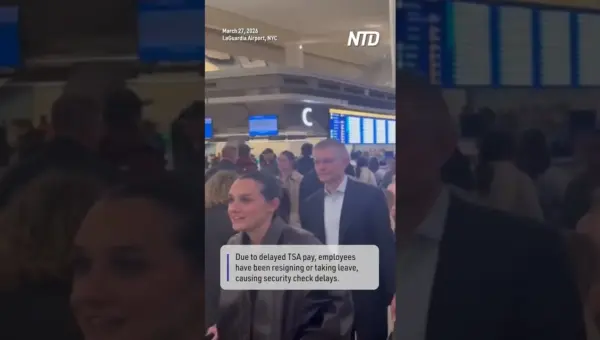
TSA Staff Cuts Create Airport Chaos for Travelers
Recent TSA agent shortages, fueled by a government shutdown and delayed pay, have caused significant delays and long security lines at major airports. This situation highlights the critical role of TSA staff and the impact of funding issues on essential services.
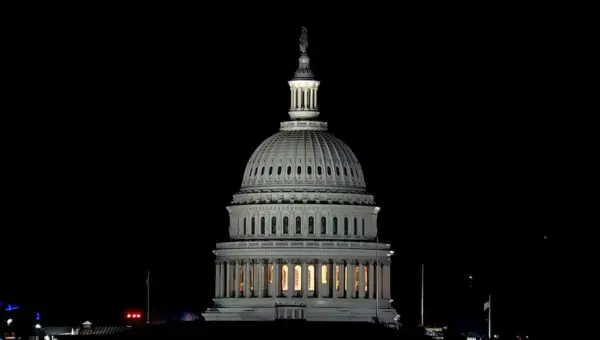
House Funds DHS, But Senate Deal Unlikely Amid Shutdown
The House of Representatives has passed a bill to fund the Department of Homeland Security, but the measure is unlikely to pass the Senate. TSA workers, who have faced missed paychecks and disruptions, may receive some pay soon due to a presidential order, but the broader shutdown continues.

DHS Funding Crisis Sparks Chaos, Congressman Blames Poor Communication
Congressman Darrell Issa blames "failure to communicate" for the DHS funding crisis leading to unpaid TSA agents and airport chaos. The House is preparing a short-term bill as security concerns rise.