Iran Tensions Rise as US Weighs New Actions
The U.S. is signaling a tougher stance on Iran, with potential military actions and sanctions being considered to counter regional threats. Simultaneously, domestic debate intensifies over the "Save America Act," a Republican proposal for stricter voter ID laws, which Democrats decry as voter suppression.

Iran Tensions Rise as US Weighs New Actions
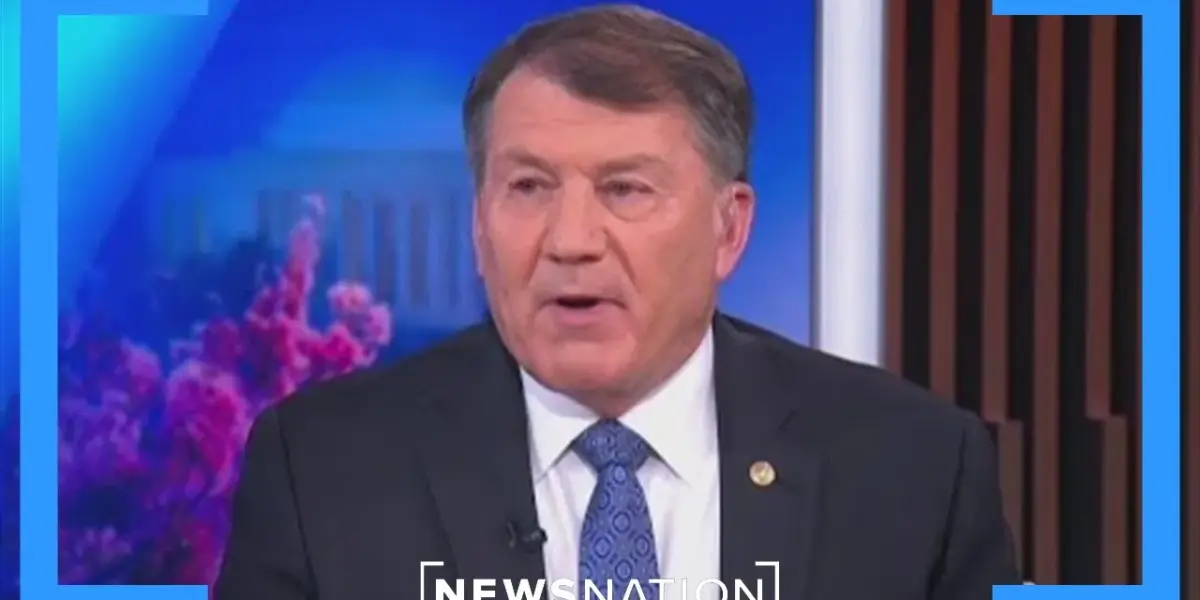
The United States is signaling a tougher stance against Iran, with potential military actions and a renewed focus on sanctions. This comes as a new poll shows strong support among Trump voters for recent U.S. actions in Iran. Senator Mike Rounds, a member of the Senate Armed Services Committee, discussed these developments, emphasizing the need for decisive action to counter Iran’s influence and protect American interests in the Middle East.
U.S. Military Options and Iran’s Threat
Senator Rounds explained that the recent U.S. military actions, referred to as “Operation Epic Fury,” were timed to take advantage of specific vulnerabilities in Iran’s defenses. He noted that Iran’s air defense systems had been weakened, and their protections around nuclear sites had been previously compromised. Furthermore, Iran was actively rebuilding its anti-aircraft capabilities and developing new offensive missile weapons. The goal, Rounds stated, was to reduce the risk to American service members if they were ever sent into harm’s way. “We wanted to make sure that if our young men and women be in harm’s way coming in, we want the Iranian defense is to be as low as possible,” he said. This suggests a proactive strategy aimed at degrading Iran’s military capacity before any direct confrontation.
The conversation also touched upon the potential deployment of Marines to the region and specific strategic objectives. One possibility discussed was taking control of Kharg Island. This island is crucial for Iran’s oil production, and controlling it could severely limit the country’s oil revenue, effectively shutting off its financial lifeline. Rounds pointed out that U.S. forces had already disabled defenses in the area, making it a viable target. “If we control it, we can basically tell the Iranians, look, you get rid of the problems around the Strait of Hormuz or you’re not going to have any oil,” he explained. This highlights the economic leverage the U.S. could exert through such a move. The senator concluded that Iran’s continued role as a global sponsor of terrorism and its actions against American personnel in the Middle East necessitate a strong response. “It’s time to call it. It is time to get this thing over with,” Rounds asserted.
The “Save America Act” and Voter ID Debate
Shifting focus to domestic policy, the discussion turned to the “Save America Act,” a Republican proposal concerning voter integrity. Senate Minority Leader Chuck Schumer has strongly opposed the bill, calling it a “voter suppression bill” that appeals only to a “fringe element of the MAGA base.” He argued that most Americans do not support such legislation and that it is a waste of time. “That is what the Republican Senate is wasting our time on pushing a voter suppression bill that most Americans do not support,” Schumer stated.
Senator Rounds countered these claims, presenting polling data that suggests broader support for the act. He indicated that polls show not only Republicans but also a strong majority of Democrats and independents back the plan for additional voter integrity measures. Rounds suggested that while Democrats in Washington may oppose the bill, Democrats outside the capital are more accepting of it. “The reality is, who in the world watched as Americans doesn’t want to make sure that everybody who is saying that they are voting, that there actually residents and citizens of the United States of America?” he asked. He compared the proposed voter ID measures to existing systems like those used for driver’s licenses or boarding airplanes, suggesting they are common-sense steps already in place in various forms. “It’s a no-brainer and it’s so easy to do,” Rounds said. He believes that misinformation is hindering public understanding of the bill.
Despite the opposition, Rounds sees a potential for some Democrats to support parts of the legislation, referring to it as a “crack” in their unified front. He noted that the bill is not expected to become effective until around 2028, suggesting there is time for further debate and potential amendments. The concept of a “talking filibuster,” where senators must continuously speak to block a vote, was also mentioned as a tactic being employed. Rounds expressed support for this procedural method, indicating a willingness to continue discussing the bill.
Global Impact
The dual focus on Iran and domestic election integrity reveals contrasting but interconnected geopolitical and domestic concerns for the United States. The aggressive posture toward Iran, including potential military actions and economic pressure, reflects a broader strategy to counter perceived threats in the Middle East and assert American influence. This approach carries significant risks, including the potential for escalation and regional instability, but also aims to deter further Iranian aggression and protect vital U.S. interests. The economic leverage, particularly the control of oil routes and resources like Kharg Island, shows how economic statecraft is a key component of national security strategy.
Domestically, the debate over the “Save America Act” highlights deep partisan divisions on election processes. Republicans emphasize voter ID as essential for election integrity, framing it as a widely supported, common-sense measure. Democrats, conversely, view such measures as tactics to suppress votes, particularly from minority groups. This disagreement over election rules is a central feature of the current political landscape, influencing trust in democratic institutions and shaping electoral outcomes. The differing views on voter ID reflect fundamental disagreements about the balance between security and access in the electoral process.
Historical Context
The assertive stance against Iran echoes historical patterns of U.S. foreign policy in the Middle East, particularly since the 1979 Iranian Revolution. U.S. administrations have consistently sought to contain Iran’s regional influence and prevent its acquisition of nuclear weapons. Actions like sanctions and military posturing have been recurring tools. The emphasis on controlling strategic locations like Kharg Island recalls past U.S. efforts to secure vital energy chokepoints in the Persian Gulf.
The debate over voter ID laws in the U.S. is not new. It has been a recurring issue since the early days of the republic, with different eras seeing shifts in access to voting rights. Modern debates often trace back to the Civil Rights Movement and subsequent legislation aimed at ensuring voting access, while counter-arguments frequently focus on preventing voter fraud. The “Save America Act” fits into this long-standing tension between expanding suffrage and ensuring electoral security.
Future Scenarios
Regarding Iran, one scenario is a continued U.S. policy of pressure and deterrence, potentially involving targeted strikes or increased sanctions without a full-scale military engagement. Another, more escalatory scenario, could involve direct confrontation if Iran crosses certain red lines or if U.S. interests are directly threatened. A less likely scenario would be a diplomatic breakthrough, leading to de-escalation, though current rhetoric suggests this is not imminent.
Domestically, the “Save America Act” faces significant hurdles in the Senate. It could potentially pass if bipartisan support emerges, perhaps through amendments that address Democratic concerns. Alternatively, it may fail to gain sufficient votes, reflecting ongoing partisan gridlock. If passed, its implementation, likely years away, could lead to legal challenges and further political debate about voting access and election security. The outcome will significantly impact the discourse around election integrity and voter participation in future elections.
Source: Dems may be warming to SAVE America Act, GOP senator says | Katie Pavlich Tonight (YouTube)

Related Articles

Stocks Ignore War Risks, Focus on “Taco Moments”
Stock markets appear to be overlooking the severe supply chain risks stemming from the Iran conflict, focusing instead on potential diplomatic de-escalations. While the S&P 500 shows resilience, bond and commodity markets signal deep concern over disruptions to critical resources like LNG, helium, and fertilizers.

US Strikes Cripple Iran’s Military Might, CENTCOM Reports
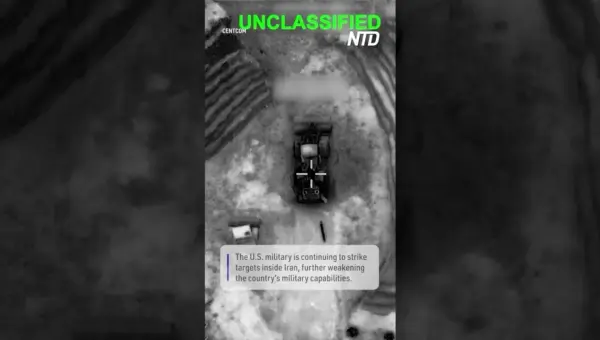
U.S. Central Command reports ongoing strikes inside Iran are significantly weakening its military power. This direct action aims to reshape regional security dynamics, but carries risks of escalation. The long-term impact depends on Iran's response and ability to adapt.
U.S. Iran Tensions Rise Amid Shifting Alliances
Rising tensions between the U.S. and Iran are creating a volatile geopolitical situation. With conflicting signals on de-escalation and potential shifts in alliances like NATO and U.S.-Israel relations, the path forward remains uncertain. The global economy and regional stability hang in the balance.