Pakistan Travel Costs Soar Amid Economic Strain and Iran Conflict
Pakistan is facing a sharp increase in travel costs, leaving many migrant workers unable to afford the journey home for Eid. Soaring fares, linked to economic strain and regional conflicts, are putting immense pressure on families and highlighting the need for economic relief.

Pakistan Faces Soaring Travel Costs Amid Economic Woes
ISLAMABAD – Pakistan is experiencing a significant surge in travel costs, particularly for public transportation, as the nation’s economy grapples with mounting challenges. The rising fares are placing immense pressure on ordinary citizens, many of whom are struggling to afford essential travel, especially during important cultural events like Eid. This economic strain is being felt acutely by daily wage earners and migrant workers, who form a substantial part of the population.
Migrant Workers Bear the Brunt of Fare Hikes
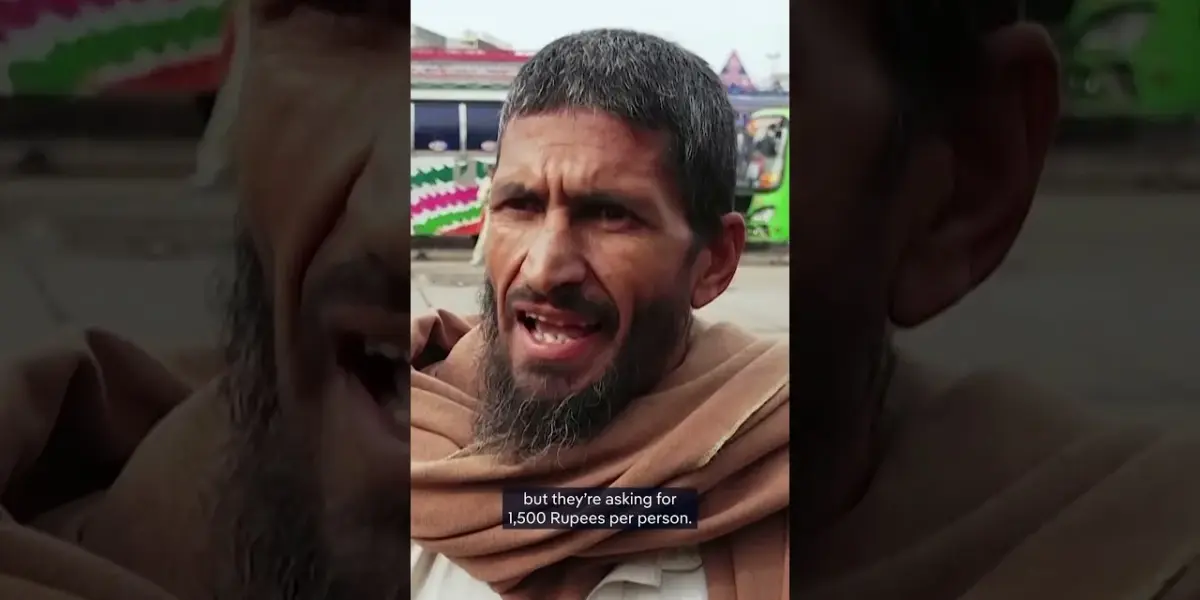
For many, the journey home for Eid celebrations has become an unaffordable luxury. A migrant worker, speaking anonymously, expressed his deep distress over the increased fares. “I came here to earn a living. I want to celebrate Eid with my children,” he said, his voice heavy with worry. “But they are asking for more rent than I can afford.” He explained that a trip that used to cost 1100 rupees is now being charged at 1100 rupees for just one leg of the journey. This leaves him questioning whether to celebrate with his family or remain and continue his arduous labor.
Another group of laborers heading to Punjab shared their predicament. “We are laborers, and the rent has been increased. It’s now 4800 rupees,” one of them stated. “We still need to buy clothes and other necessities for our children for Eid. We are laborers; we cannot afford these fares.” The uncertainty of their situation is palpable, with many unsure how they will manage the additional expenses.
Economic Factors Fueling the Crisis
The rising cost of travel is closely linked to broader economic instability in Pakistan. While the transcript does not explicitly detail all contributing factors, it mentions the “Iran war” as a backdrop to these increased costs. Geopolitical events, especially regional conflicts, can have ripple effects on global and local economies. These can include disruptions to supply chains, increased fuel prices, and general economic uncertainty, all of which can translate into higher operational costs for transportation services.
Fuel Prices and Inflation
Although not directly stated in the transcript, rising fuel prices are a common driver of increased transportation costs. When the price of diesel or petrol goes up, bus and taxi companies often pass these costs onto consumers. Inflation, which is the general increase in prices and fall in the purchasing value of money, also plays a significant role. As everyday goods become more expensive, the cost of running a business, including transportation, also rises. This creates a cycle where basic necessities, like travel, become increasingly out of reach for lower-income families.
Government Policies and Economic Support
The transcript hints at a disconnect between government expectations and the reality faced by citizens. One worker mentioned the government setting fares at around 4 to 5 rupees per kilometer, but the actual charges are much higher. This suggests a potential gap in regulation or enforcement of transportation pricing policies. Without effective government intervention or economic support measures, citizens are left vulnerable to market fluctuations and the impact of external economic pressures.
Impact on Social Fabric and Celebrations
The inability to travel home for Eid has a profound impact on the social and cultural fabric of Pakistan. Eid is a time for families to reunite, share blessings, and strengthen bonds. When economic hardship prevents this, it creates emotional distress and a sense of disconnection. For migrant workers, the opportunity to see their children and participate in family traditions is a powerful motivator. The current situation denies them this fundamental joy, adding to their already challenging lives.
Looking Ahead
The situation highlights the urgent need for economic stabilization and targeted support for vulnerable populations in Pakistan. As the country navigates these turbulent economic times, continued monitoring of travel costs and their impact on citizens will be crucial. The government’s response to address fare hikes and provide relief to those most affected will be a key indicator of its commitment to social welfare and economic equity. The coming months will reveal whether Pakistan can effectively cushion its citizens from the harsh realities of economic downturns and regional instability.
Source: Travel costs rise as Pakistan’s economy takes a hit from the Iran war | DW News (YouTube)

Related Articles

Markets Wobble as Geopolitics Shift Dramatically
Global markets are showing volatility as geopolitical tensions rise, with the Nasdaq nearing correction territory. Concerns over consumer spending, rising costs, and the nation's fiscal health are intensifying. Analysts debate whether current events represent short-term market noise or a fundamental "reinvention of geopolitics" with long-term implications.

Global Shortages Hit Helium, Fertilizers Amid War
Global shortages are expanding beyond oil and gas, now impacting critical materials like helium and fertilizers. These supply disruptions threaten tech manufacturing and food production, raising concerns about inflation and economic growth. The situation signals a widening global supply shock with significant market implications.

Europe Gripped by Soaring Fuel Prices, Economic Pain Looms
Soaring fuel prices are creating significant economic and political challenges across Europe, impacting household budgets and raising inflation concerns. The continent's heavy reliance on diesel vehicles and high pre-existing fuel taxes exacerbate the problem, forcing governments to consider tax cuts and other measures to ease the burden on consumers and businesses.