Trump Rejects Ceasefire Amid Escalating Iran Conflict
President Trump has rejected calls for a ceasefire in the escalating conflict with Iran, even as U.S. troop deployments increase. The administration's justifications for the war have shifted, and Trump has expressed significant disappointment with NATO allies. Concerns are mounting over the lack of clear objectives and the potential for a prolonged and costly engagement.

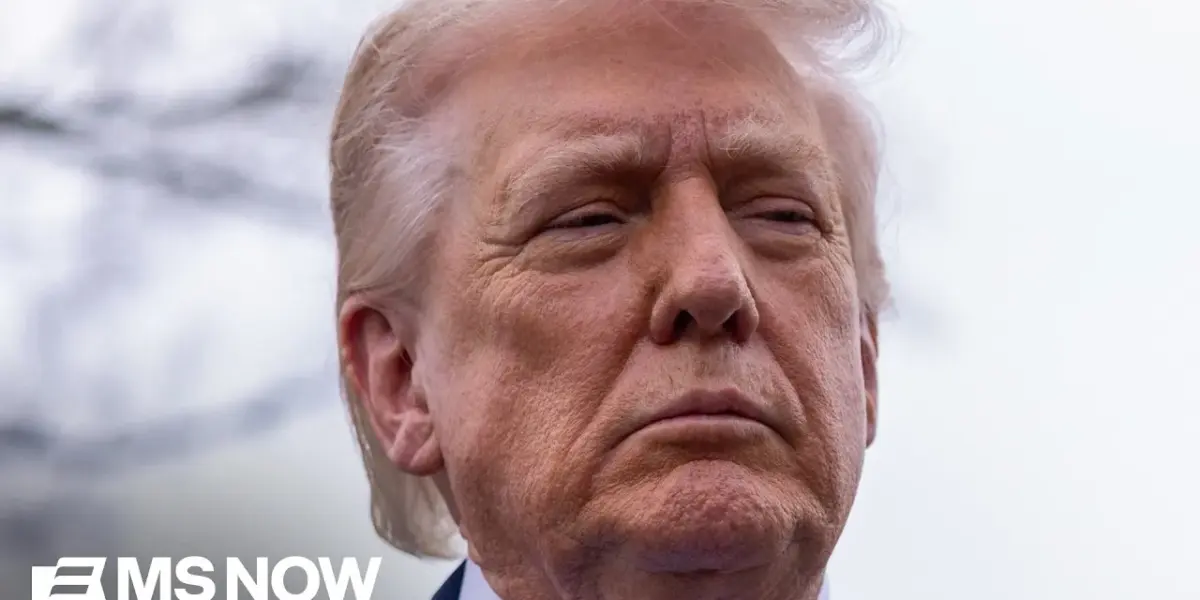
Trump Rejects Ceasefire Amid Escalating Iran Conflict
In a significant development regarding the ongoing conflict with Iran, President Donald Trump has rejected calls for a ceasefire, stating, “You don’t do a ceasefire when you’re literally obliterating the other side.” This comes as reports indicate a substantial increase in U.S. military presence in the region, with an additional 2,500 Marines and three warships being deployed. The situation draws parallels to the 2003 invasion of Iraq, initiated under President George W. Bush with the stated goal of eliminating weapons of mass destruction, a campaign that eventually led to a prolonged occupation.
Shifting Justifications for War
President Trump asserted that the war was necessary because Iran was “two weeks away from having a nuclear bomb and they planned to use it.” However, experts suggest Iran was likely a year away from such capability, raising questions about the administration’s intelligence assessments. Trump also stated that while the U.S. could withdraw immediately, doing so would allow Iran to rebuild its nuclear program within a decade, a prospect he finds unacceptable. This marks a shift from earlier claims that the war was won within the first hour.
Disappointment with NATO Allies
A key takeaway from recent conversations with the President is his profound disappointment with NATO allies. Trump repeatedly expressed frustration that European partners did not offer more support during the conflict. He described NATO as a “one-way street” that the U.S. had long subsidized, suggesting that other nations did not contribute their fair share. He notably referred to NATO without U.S. involvement as a “paper tiger” and expressed more sympathy for Russian President Putin’s position than for Ukrainian President Zelensky, whom he dismissed as “all PR.”
“The president said over and over again how disappointed he is that nobody stepped up to support us,” Stephanie Ruhle reported. “He said it was really a test because he’s been saying for all of these years that NATO has always been a one-way street until he came on the scene.”
Concerns Over Russian Support for Iran
The political analysis highlights a concerning dynamic where Russia is reportedly providing surveillance support to Iran, enabling them to identify U.S. targets. This occurs despite the U.S. ostensibly supporting Ukraine against Russian aggression. The President’s apparent increased trust in Putin over long-standing allies like NATO members is seen as extraordinary, particularly as Russian oil continues to be sold on the market, potentially funding the conflict against Ukraine.
Unclear Objectives and Shifting Narratives
Analysts express concern over the lack of clear objectives and timelines for the Iran conflict. The President’s statements have been inconsistent, ranging from declaring victory within hours to deploying more troops. The cost is estimated at over a billion dollars per day, with ongoing requests for significant additional funding. This ambiguity makes it difficult to define what constitutes a successful outcome, leading to a “rhetorical quagmire,” as one analyst put it.
Historical Parallels and Lack of International Consensus
The current situation is compared to the 2003 Iraq War, which, despite its controversial origins based on alleged lies about weapons of mass destruction, involved a concerted effort to build an international case through forums like the UN Security Council. In contrast, the current conflict with Iran appears to lack broad international consensus or a clearly articulated justification presented to the global community. This has led to questions about the administration’s strategy and its potential to become a prolonged and costly engagement.
Military Planning and Expert Disconnect
There are indications of frustration within the military regarding the perceived lack of clear planning and communication from the Commander-in-Chief. Military professionals typically develop plans for numerous scenarios, and the President’s statements suggesting that experts did not anticipate Iran’s actions are seen as potentially undermining military confidence. Intelligence chiefs have also appeared hesitant to directly brief the President on certain assessments, seemingly fearing his reaction.
Human Cost and Future Outlook
The conflict has already resulted in casualties, with 13 Americans reported dead and 200 wounded. The ongoing escalation, coupled with shifting justifications and a lack of clear objectives, raises serious concerns about the potential for a protracted and costly war. The administration’s approach, particularly its strained relationship with allies and its reliance on potentially unreliable intelligence, suggests a challenging path ahead. Future developments will likely focus on whether a clear strategy emerges and how international alliances are managed amidst the escalating tensions.
Source: 'Masters of asymmetric warfare': Trump rejects ceasefire as Iran expands attacks across Gulf region (YouTube)

Related Articles
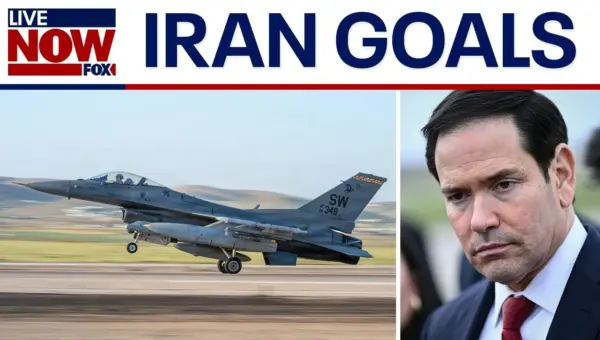
Rubio: US Can Achieve Iran War Goals Without Troops
Senator Marco Rubio outlined a strategy to counter Iran without deploying U.S. ground troops, focusing on weakening the regime and enhancing maritime security. He also criticized Cuba's economic system and expressed concerns about West Bank violence.

Tiger Woods Arrested for DUI After Crash
Golf legend Tiger Woods was arrested for DUI in Florida following a dramatic rollover crash. Meanwhile, a government shutdown continues as House Republicans block a Senate deal, leading to airport chaos and TSA worker pay issues. The stock market also plummeted into correction territory amid fears of a prolonged Iran conflict.
Trump’s Name Everywhere: A ‘Stain’ on GOP Legacy?
Former President Donald Trump's efforts to brand national symbols, including a proposed signature on dollar bills, spark debate. Critics view this as an authoritarian attempt to embed his legacy, potentially staining the Republican Party's history and contrasting with democratic ideals of public ownership.