Trump’s War With Iran: Escalation Risks Spiral Out of Control
An escalating conflict between the United States and Iran, launched without clear objectives, risks spinning out of control, according to foreign policy experts. Conflicting messages from the Trump administration and a lack of a coherent strategy are fueling confusion and concern over potential wider military action and long-term economic consequences.

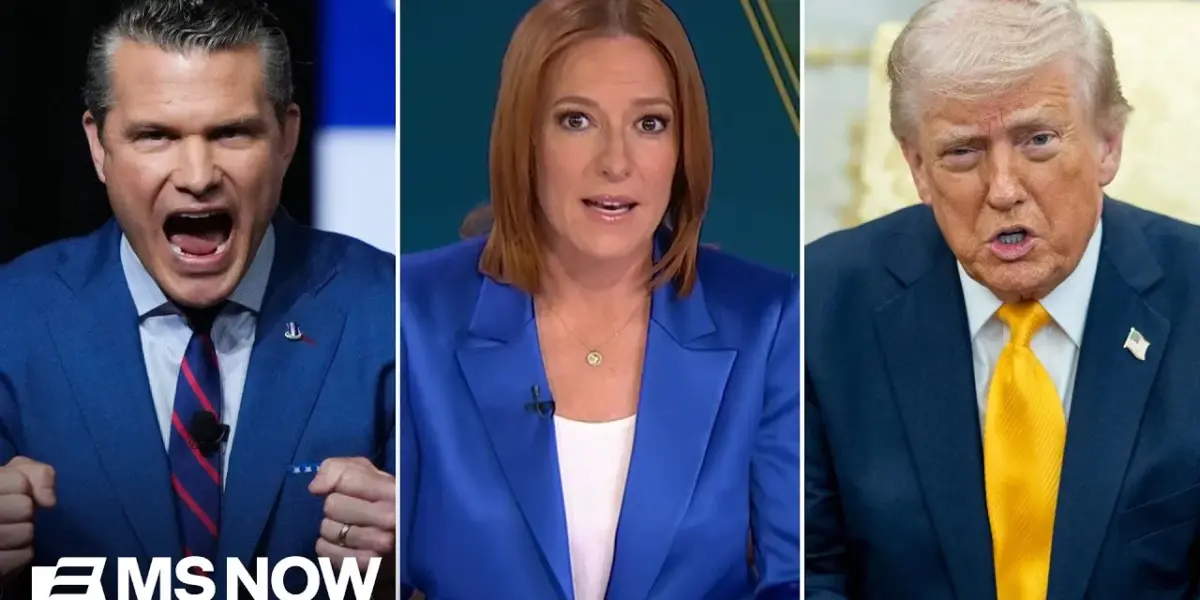
Trump’s War with Iran: Escalation Risks Spiral Out of Control
In a confusing and rapidly developing situation, the United States finds itself in an escalating conflict with Iran, launched without clear objectives and with significant risks of spiraling out of control. President Trump’s administration appears to be improvising its strategy, leaving allies and the public alike questioning the goals and potential consequences of the ongoing military action.
Conflicting Messages and a Lack of Strategy
President Trump has sent mixed signals regarding the war, at times suggesting an easy military operation and at others, posting messages that seem contradictory. This has led to widespread confusion, both domestically and internationally. Experts suggest this lack of a clear plan is a major concern.
Rob Malley, a former lead negotiator on the 2015 Iran nuclear deal, noted the paradoxical situation: “The main objective of this war seems to be to reopen the Strait of Hormuz, which wouldn’t have been closed if the war had not begun if President Trump had not ordered this war.” He added that reopening the strait is not a simple task and requires reassuring shipping companies and insurers of safe passage, a goal that is currently far from being met.
The Strait of Hormuz: A Critical Chokepoint
The Strait of Hormuz, a vital waterway for global oil transport, has become a central focus. Iran’s ability to threaten shipping in this narrow passage poses a significant challenge. Even small attacks can disrupt trade and scare away companies, making the assurance of safe transit difficult.
Ben Rhodes, former deputy national security advisor, explained the strategic implications: “If Iran dominates the Strait, they win this war.” He also raised concerns about the potential need to secure nuclear materials located in Iran, suggesting a broader mission creep.
A “Logic of Escalation”
Both Malley and Rhodes highlighted a dangerous “logic of escalation” inherent in the conflict. Actions by one side provoke a response from the other, creating a cycle that is difficult to break. Rhodes stated, “This is something that Donald Trump fundamentally doesn’t seem to understand. He is not in control.”
The deployment of additional warships and Marines to the Middle East, along with a significant funding request for the war, suggests the military is planning for a larger, more prolonged engagement than publicly acknowledged. This military buildup, coupled with the administration’s rhetoric, points to a potential for wider operations.
Economic Repercussions and Sanctions Confusion
The war has already impacted global oil markets, with significant amounts of oil not being produced or reaching the market. Experts predict long-term consequences, even if the conflict were to end soon.
In a move that has caused further confusion, the U.S. announced a plan to ease sanctions on Iranian oil in transit. While intended to put more oil on the market, the announcement has been met with skepticism. Malley described the move as “improvisation,” questioning its effectiveness and the lack of a clear plan for how it would work.
Asymmetric Warfare and Global Implications
The conflict is characterized by asymmetric warfare, where the U.S. possesses superior military power, while Iran employs a more unconventional, global strategy to inflict damage where it hurts most. Iran’s ability to disrupt global markets and impact the U.S. economy gives it leverage, even as the weaker party.
Malley noted, “As long as Iran has that ability to make America’s Americans suffer economically, they’ll keep doing it.” This highlights the complex challenge facing the U.S. administration, which is scrambling to find solutions to a problem of its own making.
What Comes Next?
The situation remains highly volatile. The administration’s next steps are unclear, and the potential for further escalation is significant. The long-term economic and geopolitical consequences of this conflict will likely be felt for years to come, regardless of how it ultimately concludes. Many hope for a diplomatic solution, but the path to negotiation in the current environment remains uncertain.
Source: 'A logic of ESCALATION': How Trump's ill-defined war risks spinning out of control (YouTube)

Related Articles
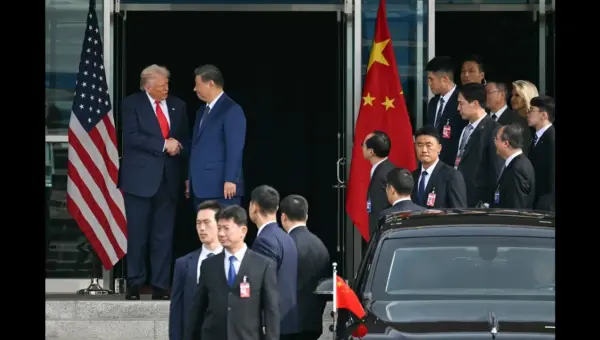
Trump’s “Walk Away” Tactic Signals Tougher Stance on China
Retired Air Force Brigadier General David Stillwell believes President Trump's strategy of being willing to walk away from negotiations puts pressure on China. This tactic, combined with US global actions and strengthened alliances, signals a more assertive American foreign policy.
China Fights Back: Tariffs Loom Ahead of Trump Visit
China is retaliating against US trade investigations that could lead to higher tariffs. This escalating trade tension occurs just before a planned visit by President Trump. The dispute involves accusations of unfair practices and impacts global supply chains.


Israelis Forge Resilience Amidst Constant Bomb Shelter Drills
Life in Israel is a blend of resilience and constant vigilance, with many families adapting to frequent bomb shelter drills and even sleeping in makeshift shelters. Despite ongoing missile attacks, Israelis strive to maintain normalcy, though businesses face disruption and emotional fatigue is a growing concern.