Trump Scolds Allies, Risks Global Stability Over Iran War
President Trump's sharp criticism of NATO allies over their reluctance to join the conflict with Iran has sparked debate about U.S. foreign policy and the strength of international alliances. His 'cowards' label highlights a potential rift, while domestic opposition to war funding grows. This situation raises questions about strategic planning and the future of global security.

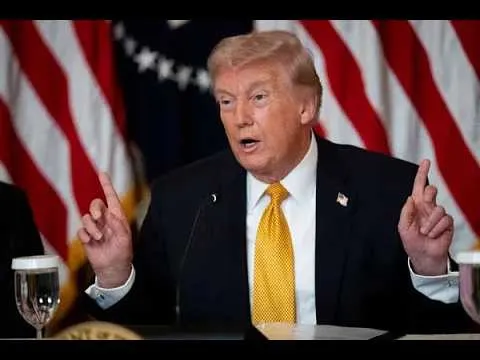
Trump Demands NATO Join Iran Conflict, Calls Allies Cowards
President Donald Trump has publicly criticized NATO allies, labeling them “cowards” for not joining the United States in its conflict with Iran. This strong language comes as the situation in the Middle East remains tense. Trump argues that without U.S. leadership, NATO is ineffective and that allies are unwilling to help secure vital shipping lanes like the Strait of Hormuz. These lanes are crucial for global oil supplies, and their instability directly contributes to high oil prices that affect everyone.
Questioning U.S. Strategy and Alliances
The president’s approach has raised questions about his broader strategy and the future of U.S. alliances. Some analysts suggest Trump might be preparing to withdraw from the burden of managing the Strait of Hormuz, leaving the responsibility to NATO. However, this tactic appears to be a departure from traditional diplomacy, as NATO allies were reportedly not consulted before the U.S. engagement with Iran. This lack of communication could undermine trust and cooperation within the alliance.
Internal Opposition and Lack of Consensus
Even within the U.S., there is significant opposition to further military spending and involvement in new conflicts. Some members of Congress, including staunch supporters of conservative policies, are refusing to approve additional funding for war efforts. They point to domestic needs and express fatigue with what they call the “industrial war complex.” This internal division highlights a growing sentiment that America should prioritize its own citizens and issues before engaging in foreign conflicts.
Intelligence Discrepancies Fuel Doubts
Adding to the confusion, there are conflicting reports regarding the threat posed by Iran’s nuclear program. While the White House initially suggested an imminent nuclear threat, official U.S. intelligence assessments indicate that Iran’s program was significantly disrupted by U.S. strikes last summer. This discrepancy raises concerns about the basis for U.S. military actions and the administration’s communication with both allies and the American public.
Historical Parallels and Future Outlook
Critics draw parallels between Trump’s current actions and past U.S. involvements in the Middle East, such as the war in Iraq. They argue that the president is repeating mistakes by entering costly conflicts without clear justification or broad support. The current situation suggests a potential for significant challenges ahead, with the risk of the Iran conflict becoming a major point of criticism during Trump’s presidency and a source of instability for the nation.
Why This Matters
The president’s confrontational stance towards allies and the lack of clear communication surrounding the conflict with Iran have significant implications. It strains long-standing alliances like NATO, which are vital for collective security and international stability. Furthermore, the absence of a clear strategic rationale and the conflicting intelligence reports create uncertainty and could lead to unintended consequences. The debate over war funding also underscores a deeper national conversation about foreign policy priorities and the allocation of resources, especially when domestic needs are pressing.
Historical Context
NATO was formed after World War II to provide collective security against the Soviet Union. Its core principle is that an attack on one member is an attack on all. For decades, the alliance has been a cornerstone of Western security. However, throughout its history, there have been debates about burden-sharing, with some U.S. leaders arguing that European allies do not contribute enough financially or militarily. Donald Trump has been a vocal critic of this perceived imbalance, often questioning the value of NATO to the United States.
Implications and Future Trends
Trump’s rhetoric could lead to a weakening of NATO if allies feel consistently attacked or unappreciated. This could embolden adversaries and create power vacuums. On the other hand, his pressure tactics might force allies to re-evaluate their defense commitments. The trend towards questioning established international agreements and prioritizing national interests, often termed “America First,” is a significant shift in U.S. foreign policy that could reshape global alliances and security structures for years to come. The effectiveness of diplomacy versus unilateral action remains a central question in international relations, and the current situation with Iran and NATO provides a stark case study.
A Difficult Path Forward
The president’s approach of demanding support while criticizing allies creates a difficult path forward. Allies may be hesitant to commit resources if they believe their contributions will be dismissed or forgotten. This dynamic could lead to a fractured response to regional threats. The administration faces the challenge of building consensus, both domestically and internationally, for any sustained military engagement. The lack of a unified message from the White House further complicates efforts to gain support from allies and Congress.
Ultimately, the conflict with Iran and the strained relationship with NATO highlight the complexities of modern geopolitics. The decisions made now will have lasting effects on international relations, global security, and America’s role in the world. The ability to forge strong alliances and communicate a clear, consistent strategy will be crucial in navigating these challenging times.
Source: Trump SNAPS, LOSES IT on our OWN allies | Another Day (YouTube)

Related Articles
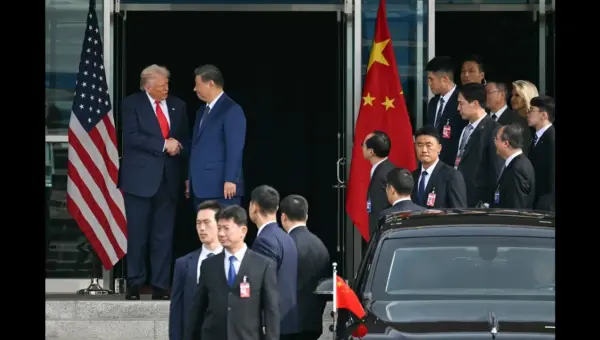
Trump’s “Walk Away” Tactic Signals Tougher Stance on China
Retired Air Force Brigadier General David Stillwell believes President Trump's strategy of being willing to walk away from negotiations puts pressure on China. This tactic, combined with US global actions and strengthened alliances, signals a more assertive American foreign policy.

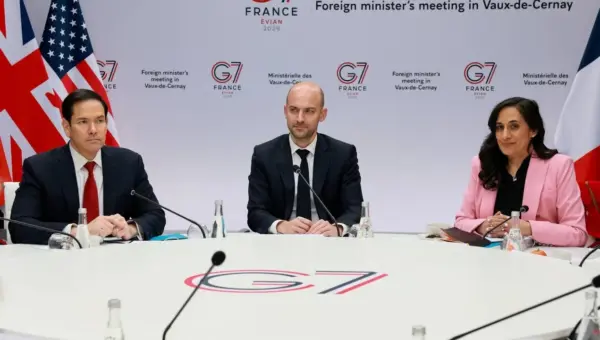
Rubio Puts US First at G7 Summit, Sparks Debate
Secretary of State Marco Rubio attended the G7 summit in France, emphasizing his commitment to serving the American people above all else. The meeting addressed the war in Iran and Russia's role, revealing differing approaches among allies on regional security and the Strait of Hormuz.


Tiger Woods Arrested for DUI After Crash
Golf legend Tiger Woods was arrested for DUI in Florida following a dramatic rollover crash. Meanwhile, a government shutdown continues as House Republicans block a Senate deal, leading to airport chaos and TSA worker pay issues. The stock market also plummeted into correction territory amid fears of a prolonged Iran conflict.