Ukraine Strikes Russian Industry, Shifts Air Defense Tactics
Ukraine targets Russian defense industry sites and refines air defense tactics. Meanwhile, diplomatic talks shift focus, and economic aid remains a key concern amidst energy security needs.

Ukraine Strikes Russian Industry, Shifts Air Defense Tactics
Ukraine is intensifying its efforts to cripple Russia’s war-making capabilities by targeting its defense industry. Recent Ukrainian drone strikes have hit at least five Russian chemical plants involved in producing munitions. These attacks aim to disrupt Russia’s ability to manufacture essential weapons, a strategy Ukrainian officials believe is key to victory.
Serhiy Nayev, head of Ukraine’s Center for Countering Disinformation, stated that these strikes paralyze the production chain for weapons. He noted that facilities producing microelectronics and components for missiles like the Iskander and Tochka were also targeted. Even with supplies from North Korea, Nayev believes Russia cannot maintain its current pace of fighting without its own defense sector operating at full capacity. He emphasized that stopping Russia’s industrial potential is the most effective way to end the conflict.
Beyond industrial targets, Ukraine has also struck fuel facilities deep inside Russia. These attacks aim to disrupt Russian logistics, which are vital for supplying troops on the front lines. Explosions have also been reported in occupied Crimea, targeting a Russian air defense missile regiment.
Ukraine’s Air Defense Lessons for Allies
Meanwhile, Ukrainian instructors have shared surprising insights into air defense tactics with Middle Eastern allies. Sent to Qatar, the United Arab Emirates, and Saudi Arabia, these specialists observed that U.S. allies sometimes used excessive force against Iranian drones. One Ukrainian officer expressed surprise at the deployment of multiple expensive Patriot interceptor missiles, each costing over $3 million, against single targets like the relatively inexpensive Shahad drones.
Ukrainian officers noted that allies sometimes fired without careful calculation. For instance, a Standard Missile 6, costing around $6 million, was used to destroy a $70,000 drone. This approach contrasts with Ukraine’s experience, where maximizing interception rates with fewer resources is crucial. Ukrainian forces have reportedly developed sophisticated methods for calculating interceptions, sharing this data with allies.
Furthermore, Ukrainian instructors pointed out that allied forces sometimes struggled to conceal their radar systems from enemy detection. Ukrainian experts, however, have extensive experience in keeping their mobile radar systems constantly moving. This makes them much harder for Russian forces to locate and destroy. The Ukrainian experience in continuous air defense operations is seen as invaluable, as this conflict presents unique challenges not seen before in global military history.
Shifting Diplomatic Landscape
President Volodymyr Zelensky has expressed concerns about upcoming peace talks, particularly regarding the United States’ shifting focus towards the Middle East. He noted that the U.S. appears more engaged with the conflict involving Iran, potentially impacting its attention on Ukraine. Zelensky indicated a feeling of unease about the next round of negotiations with Russia.
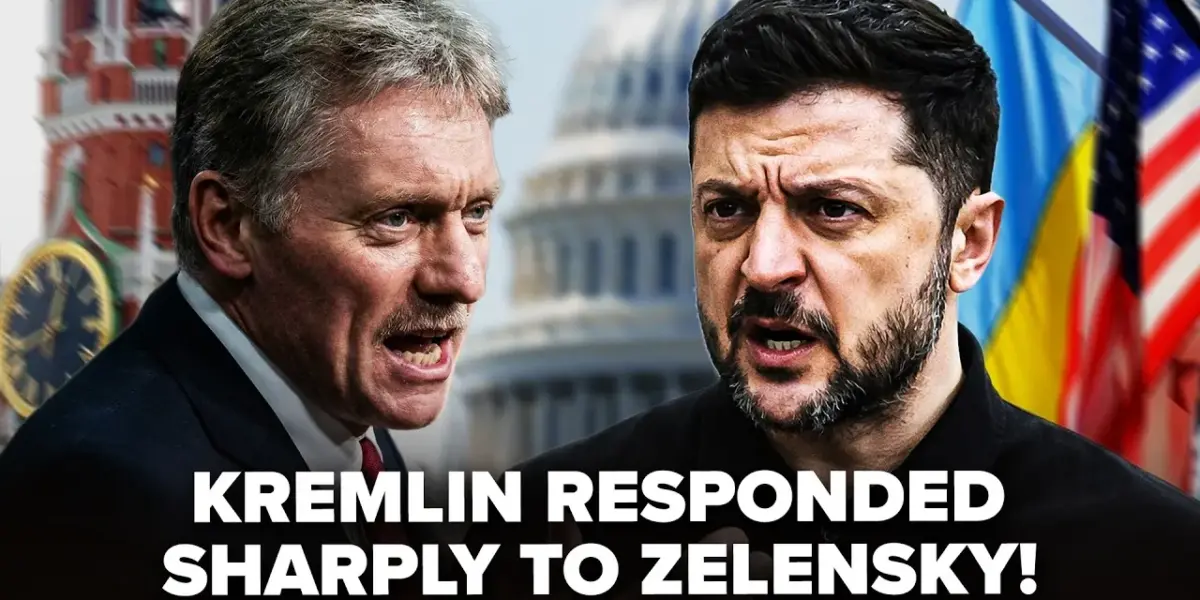
Upcoming talks in the United States will be a bilateral dialogue between Ukraine and the U.S., with Russia not participating. Kremlin spokesperson Dmitry Peskov confirmed this, stating that Russia’s absence from these specific contacts is temporary. He expressed hope for Russia’s return to broader negotiations in the future.
The meeting was initially planned as a trilateral format involving Ukraine, Russia, and the United States in Abu Dhabi. However, the location was considered for a change due to the Middle East conflict. The U.S. has recently indicated readiness for a new meeting, but only on American soil, citing security concerns that prevent U.S. officials from traveling abroad.
Economic and Energy Concerns
Ukraine has completed the technical requirements to restart the Druzhba oil pipeline and is now awaiting a €90 billion financial aid package from the European Union. President Zelensky highlighted that Ukraine has fulfilled its obligations, including through the work of Naftogaz and Ukrtransnafta. He stressed that the decision on whether to allow Russian oil imports, which ultimately support the aggressor, now rests with EU leaders.
Immediate funding is also needed to protect Ukraine’s energy sector from ongoing Russian attacks. Zelensky requested at least €5 billion from the aid package to ensure the energy system’s resilience this winter. These funds are also intended to cover payments for aircraft and air defense systems from European manufacturers.
Hungary has been a significant obstacle, blocking EU aid and sanctions against Russia while demanding the restoration of oil transit through its territory via the Druzhba pipeline. Despite Hungary’s stance, the EU is moving forward with technical preparations for the loan. Ukraine’s Ministry of Foreign Affairs is confident that partners will find ways to bypass Hungary’s objections, emphasizing the critical importance of these funds for both Ukraine’s economy and European security.
Source: 😱Kremlin has broken agreements! Zelensky didn't hold back. Here’s what will be decided in talks (YouTube)

Related Articles

G7 Allies Clash Over Iran War Strategy, Urge Focus on Russia
G7 foreign ministers met in Paris, revealing deep divisions over the U.S. war with Iran. European allies urged the U.S. to pressure Russia, linking its actions to the conflict and fearing support for Ukraine will wane.
Ukraine’s New Strategy Cripples Russian Oil Exports
Ukraine's new multi-layered strategy is rapidly disabling Russia's oil export capabilities. By attacking loading facilities and working with allies to intercept the "shadow fleet," Ukraine is significantly reducing Russia's oil revenues, even amidst rising global energy prices.
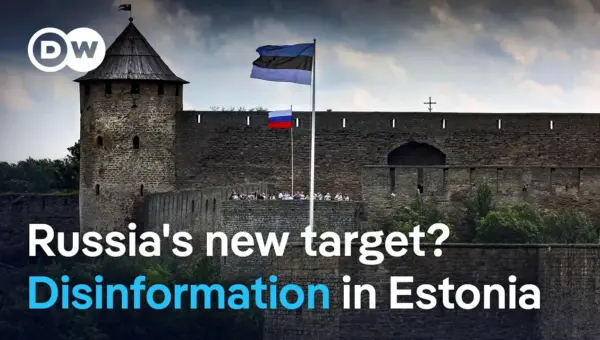
Russia Targets Estonia With Disinformation in Border City
Russia is reportedly conducting a disinformation campaign targeting Estonia's border city of Narva, aiming to sow discord among its Russian-speaking population. The online operation promotes separatist ideas, though residents largely dismiss the claims as fake. Estonian authorities view the campaign as a low-cost effort to undermine trust, with no concrete evidence of direct Russian government involvement.