Judge Strikes Down Pentagon Press Ban, Upholds First Amendment
A federal judge has ruled against Pentagon officials who attempted to ban news organizations from briefings, upholding the First Amendment. The decision prevents government officials from controlling media access and reinforces the press's role in informing the public, especially during times of war. This ruling is seen as a significant victory for press freedom and a check against potential government censorship.

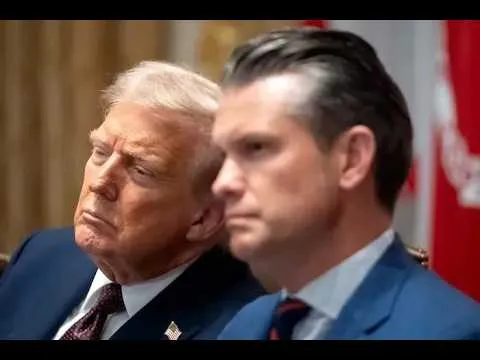
Judge Strikes Down Pentagon Press Ban, Upholds First Amendment
A federal judge has issued a significant ruling that prevents Pentagon officials from controlling which news organizations can cover important defense matters. The decision came in a case brought by the New York Times and one of its reporters. They argued that banning certain news outlets from Pentagon briefings violated their First Amendment rights. The judge agreed, stating that the press must be free to publish and the public free to read without government interference.
The ruling specifically addresses actions taken by Pete Hegseth, who apparently tried to ban reporters and news organizations he deemed unfriendly. This move was compared to former President Donald Trump’s past attempts to block news outlets or individuals he disagreed with. The judge’s opinion strongly emphasized the importance of a free press for national security, especially during times of war. The court stated that suppressing political speech endangers the nation’s security, a principle that has protected the country for nearly 250 years.
The Core Issue: Access and Information Control
At the heart of the case was the government’s attempt to control the flow of information from the Pentagon. Officials like Pete Hegseth apparently wanted to decide which news outlets could access briefings and report on defense issues. This included barring organizations like The New York Times. The judge’s decision makes it clear that such control is not allowed under the First Amendment.
A primary purpose of the First Amendment is to enable the press to publish what it will and the public to read what it chooses free of any official proscription.
This quote from the judge’s opinion highlights the fundamental principle at stake: the government cannot prohibit what people read or what the press publishes. The judge linked this freedom directly to national security, arguing that an informed public is essential for a secure nation. This is seen as especially critical when the country is involved in what some consider an unjust or unconstitutional war.
Implications for All News Outlets
While the lawsuit was filed by The New York Times, the judge’s ruling is expected to apply to all news organizations. This means that any outlets previously barred from the Pentagon should now regain their access. The legal team behind the ruling believes that Pentagon officials cannot legally claim the decision only applies to the New York Times, even if they try to find ways around it.
The expectation is that the Pentagon may attempt to change its policies or find other methods to limit access, as they likely dislike the court’s order. However, for now, reporters who were previously banned should be allowed back into Pentagon briefings. The ruling also touches upon the personal reasons for some of these bans, suggesting that at least one official was upset by unflattering photographs of himself.
The Path Forward: Appeals and Precedent
The Trump administration has a history of appealing court rulings, and this case is likely no different. The judge’s decision was a summary judgment, meaning the court ruled based on the legal arguments without a full trial because the facts were clear. Both sides had asked for a summary judgment, with the government and The New York Times presenting their cases as a matter of law.
The judge found in favor of the New York Times, stating that the government’s actions violated the First Amendment as a matter of law. The administration now faces a choice: appeal to a higher court or accept the ruling. While an appeal might be seen as pointless given the clarity of the ruling, the administration might still pursue it. The concern is that officials might try to defy the court order, a move that could lead to further legal battles.
A Broader Pattern of Media Suppression
This ruling is seen by some as part of a larger pattern by the current administration to suppress critical voices in the media. Examples cited include actions against comedians and the use of the FCC to influence news organizations. Recent media mergers have also been mentioned, potentially leading to a situation where a large percentage of local news is owned by companies with a right-leaning perspective.
The goal, according to critics, is to ensure that only right-wing voices are heard in the media, effectively stamping out any dissenting or left-leaning viewpoints. This strategy is seen as an attempt to control the entire media landscape, from radio and TV to the internet.
Historical Context and the Role of Independent Media
The First Amendment, protecting freedom of the press, has been a cornerstone of American democracy for centuries. This ruling reaffirms its importance, especially in times of national crisis or conflict. The ability of the press to hold power accountable is seen as vital for a healthy democracy.
The discussion also highlights the role of independent media creators and journalists. The speakers encourage viewers to support their work by subscribing to their channels, emphasizing that this is a free way to help independent voices reach a wider audience. This is presented as a way to counter efforts to suppress dissenting opinions.
Why This Matters
This ruling is crucial because it reinforces the fundamental right to a free press, a right essential for a functioning democracy. It prevents government officials from arbitrarily blocking journalists from reporting on important national security issues. This access ensures that the public can receive information from a variety of sources, not just those favored by those in power. It also serves as a check on potential government overreach and secrecy.
Trends and Future Outlook
The trend highlighted is the ongoing tension between government control of information and the public’s right to know. This case suggests that courts will continue to defend press freedom against attempts at censorship. However, the possibility of future legal challenges or creative workarounds by government entities remains. There’s also a call for solidarity among news organizations, regardless of their political leaning, to defend press access for everyone.
Concerns About Defiance
One significant concern raised is the possibility that officials might ignore or defy the court’s order. Given past instances of court order violations, particularly in immigration cases, there’s a worry that individuals like Pete Hegseth might resist complying. The hope is that cooler heads will prevail within the administration, recognizing the constitutional violation and accepting the ruling.
The speakers also call on the right-leaning outlets that currently have access to the Pentagon to stand with those who have been banned. They argue that it’s in everyone’s best interest to ensure press access for all, as the precedent set today could affect any outlet in the future. The loyalty of even right-wing outlets to Donald Trump is questioned, suggesting that any outlet could be targeted if it displeases him.
Source: BREAKING: Judge drops BOMBSHELL ruling against Trump & Hegseth (YouTube)

Related Articles
DOJ Official’s Remarks Spark Outrage Over Political Allegations
A top Trump DOJ official's speech at CPAC has sparked controversy, with claims of incriminating admissions regarding fears of prosecution and alleged political motivations. The remarks have raised serious questions about impartiality within the Department of Justice.
Pentagon Chief Blocks Black, Female Officers’ Promotions
Pentagon chief Pete Hegseth is reportedly blocking the promotions of four Army officers, two Black and two women, to one-star general. This decision follows reports of alleged discriminatory remarks made by a top aide to Secretary Hegseth regarding President Trump's comfort standing with Black female officers.

Jane Fonda Warns of ‘Existential Crisis’ Amid Protests
Jane Fonda has issued a stern warning about widespread attacks on the First Amendment, urging Americans to defend their freedoms. The veteran activist highlighted the growing number of large-scale protests as a sign of public concern and a crucial opportunity to address both democratic erosion and the climate crisis.