Mom Wins $22.5M After Employer Denied Remote Work, Baby Died
An Ohio mother has been awarded $22.5 million after her former employer denied her request to work from home during a high-risk pregnancy. The company's refusal led to the premature birth and death of her infant daughter. A jury found the employer negligent, citing internal communications that suggested awareness of potential legal risks.


Ohio Mother Awarded $22.5 Million in Wrongful Death Lawsuit
An Ohio mother has won a significant legal victory, receiving over $22 million from her former employer, TCL. A jury found the company responsible after denying Chelsea Walsh the ability to work from home during a high-risk pregnancy. The tragic outcome was the death of her infant daughter, Magnolia, who was born prematurely and died shortly after birth.
A High-Risk Pregnancy and a Difficult Choice
The events leading to the lawsuit began in February 2021. Chelsea Walsh underwent emergency surgery to prevent early labor. Her doctor advised her to remain on bed rest. Following this medical advice, Walsh requested to work from her home.
However, Walsh’s employer reportedly gave her a stark choice. According to the lawsuit, her manager told her she could either take unpaid leave until her baby was born or return to the office against her doctor’s orders. Walsh, facing the prospect of losing vital income and health insurance, felt she had no choice but to return to work in the office.
Tragic Birth and Wrongful Death Claim
Tragically, just days after returning to work, Walsh went into labor. She gave birth to her daughter, Magnolia, at only 20 weeks and six days gestation. Magnolia died in her mother’s arms about an hour and a half later. This devastating loss led Walsh to file a wrongful death lawsuit against TCL.
Legal Analysis: Negligence and Foreseeable Risk
Legal analysts have noted the case’s unique legal approach. It was brought under a wrongful death statute, which seeks damages to compensate families for the loss of a loved one. The core of such a claim is negligence, focusing on whether the employer’s actions created a foreseeable risk that led to the tragic outcome.
“This is about negligence. It’s whether or not there was a foreseeable risk that this terrible tragedy would occur.”
The jury’s decision hinged on the evidence presented about what TCL knew regarding Walsh’s high-risk pregnancy and the circumstances surrounding their denial of her work-from-home request. They had to determine if this denial was a direct cause of the tragic outcome.
Key Evidence: Internal Communication
A crucial piece of evidence that likely swayed the jury involved an internal conversation. Lawyers for Walsh revealed that her husband spoke with TCL’s HR manager. This manager reportedly admitted that denying Walsh remote work was wrong. The HR manager then contacted an executive at TCL to voice concerns.
The executive’s response was striking. He reportedly said, “Thank you. You just saved us a lawsuit.” This statement strongly suggested that the company was aware of the potential legal repercussions and the risks involved in their decision.
Impact of the Executive’s Comment
Legal experts believe this comment was central to the case. It indicated that the company might have understood the foreseeable risk associated with their decision. The response implied an awareness that denying the accommodation could lead to a tragic outcome and potential legal action.
Remote Work Rights and Accommodations
While there is no general legal right to work from home in the United States, laws do require employers to provide reasonable accommodations for employees’ medical conditions. These protections often fall under federal and state laws like the Americans with Disabilities Act (ADA).
However, this case was notably brought under a wrongful death statute based on negligence, not under specific accommodation laws. This means the focus was on the employer’s general duty of care and whether they acted negligently by creating a foreseeable risk that resulted in harm.
Looking Ahead
The jury’s substantial award sends a clear message to employers about the importance of considering employee health and safety, especially during high-risk medical situations. It highlights that decisions impacting an employee’s well-being, particularly when advised by medical professionals, can have severe legal consequences. Future cases may explore similar negligence claims when employers deny reasonable accommodations that could prevent harm.
Source: Ohio firm must pay $22.5 million to mom whose baby died after she was denied work-from-home (YouTube)

Related Articles
Tech Giants Face Reckoning Over Youth Harm
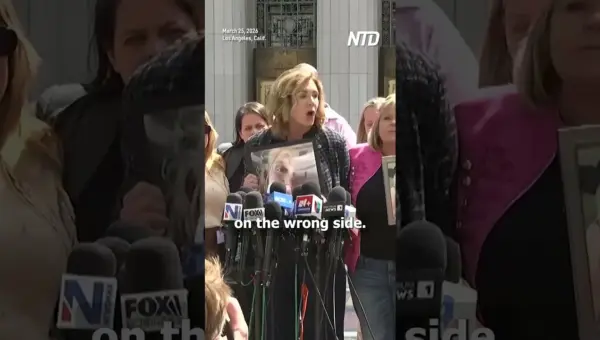
A landmark court decision holds social media platforms accountable for the harm caused to children, signaling a potential shift in tech industry responsibility. The ruling emphasizes that companies knew the risks but proceeded, prompting calls for urgent legislative action to match technological speed.
Big Tech Faces Reckoning: Courts Hold Giants Accountable for Child Harm
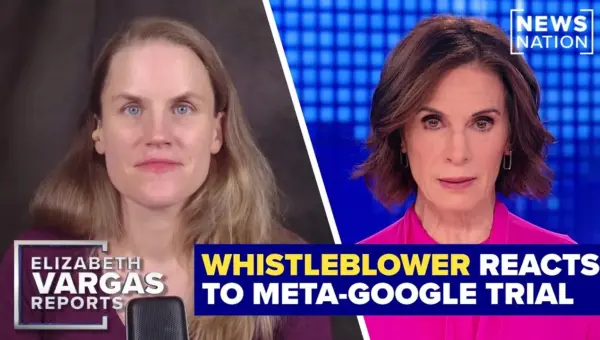
A California jury has found Meta and Google liable for addicting children and harming their health, awarding $6 million in damages. This landmark verdict, drawing parallels to Big Tobacco lawsuits, signals a potential shift in Big Tech accountability and is spurring calls for legislative action.

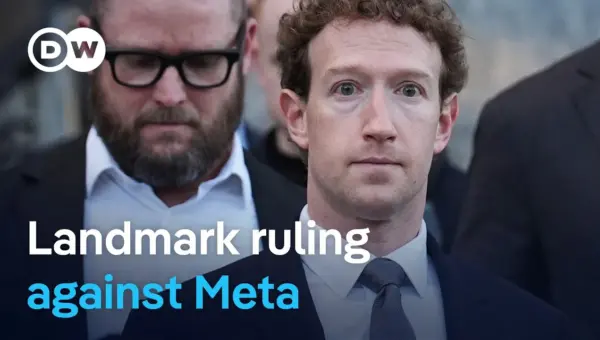
Meta Found Liable for Harming Children’s Mental Health
A New Mexico jury has found Meta, the parent company of Facebook and Instagram, liable for knowingly harming children's mental health and concealing its knowledge of child exploitation. The company was fined $375 million, a verdict seen as a landmark decision that could challenge the legal protections afforded to tech giants.