US Faces Grim Choices in Iran Conflict
The U.S. faces two troubling paths in the ongoing conflict with Iran: escalating with a risky invasion or withdrawing and potentially empowering a more radical regime. Both options carry severe risks, making the world a more dangerous place.

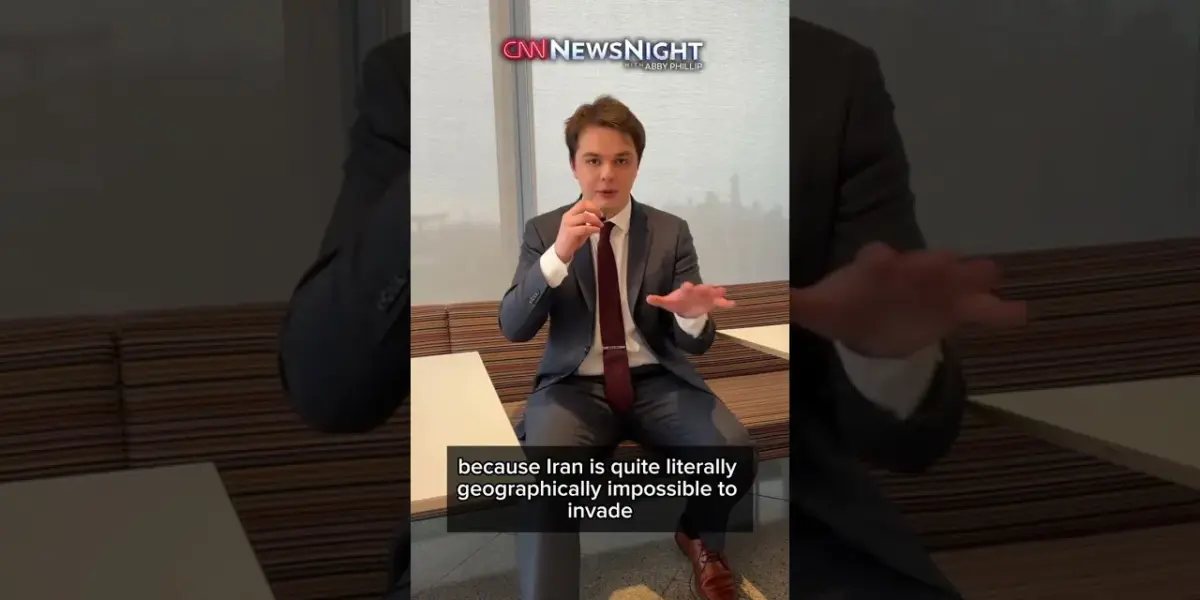
US Faces Grim Choices in Iran Conflict
We are now four weeks into a conflict with Iran, and the United States is sending thousands of troops to the Middle East. This situation raises serious questions about the path forward. There seem to be two main ways this could play out, and neither looks good.
Timeline One: Escalation and Invasion
The first possibility is that President Trump continues to send more troops. The goal might be to force a change in Iran’s government or to stop its nuclear program. However, sending American soldiers to fight on the ground in Iran would likely be a terrible mistake. Iran’s geography makes it extremely difficult to invade. Trying to do so would almost certainly lead to the deaths of thousands of U.S. troops.
Timeline Two: Withdrawal and Radicalization
The second potential outcome is also deeply concerning. This involves the U.S. simply withdrawing its forces and leaving Iran to its own devices. This could lead to a more extreme and radical government taking firm control. Iran’s leadership has recently changed. The previous leader, who was 86 years old, has been replaced by his son. This new leader is about 30 years younger, appears more radical, and seems more extreme than his predecessor. The ongoing war seems to have pushed the entire country, including its political figures, in a more extreme direction.
A Dangerous Crossroads
So, the choices are stark. Either the U.S. sends troops in, risking heavy casualties and a difficult invasion, or it pulls back, potentially leaving behind a more radical and dangerous Iran. Both scenarios suggest the world is becoming a more dangerous place.
Why This Matters
This situation is critical because it involves major global powers and the potential for widespread conflict. The decisions made now could have long-lasting effects on international relations, regional stability, and the safety of military personnel. The uncertainty surrounding the conflict and its potential outcomes creates a volatile environment.
Historical Context
U.S. involvement in the Middle East has a long and complex history. For decades, American foreign policy has aimed to shape the region’s stability and protect its interests. However, past interventions have often led to unintended consequences and prolonged conflicts. The current situation with Iran echoes some of these historical patterns, where initial objectives can become complicated by unforeseen developments on the ground.
Implications and Future Outlook
The implications of either escalating or withdrawing are significant. Escalation could draw the U.S. into a protracted and costly war, similar to past conflicts that proved deeply challenging. Withdrawal, on the other hand, might empower factions within Iran that are hostile to the U.S. and its allies, potentially increasing regional instability. The rise of a younger, more radical leader in Iran adds another layer of unpredictability to the future outlook. This dynamic suggests that even if direct military conflict is avoided, the underlying tensions and potential for future confrontation remain high.
The current events highlight a broader trend in international relations: the difficulty of achieving clear objectives in complex geopolitical situations. The war’s impact on Iran’s internal politics and the potential for its leadership to become more extreme is a key concern. This raises questions about the effectiveness of military action as a tool for achieving foreign policy goals and the long-term consequences of such interventions.
Ultimately, the path chosen by the U.S. will shape not only its relationship with Iran but also its standing in the global community. The situation calls for careful consideration of all possible outcomes and a strategic approach that prioritizes de-escalation and stability, even when faced with difficult choices.
Source: CNN TONIGHT! #new #politics (YouTube)

Related Articles

G7 Allies Clash Over Iran War Strategy, Urge Focus on Russia
G7 foreign ministers met in Paris, revealing deep divisions over the U.S. war with Iran. European allies urged the U.S. to pressure Russia, linking its actions to the conflict and fearing support for Ukraine will wane.

Iran Blocks China Ships, Exposing Beijing’s Weak Grip
Iran's recent decision to block Chinese ships at the Strait of Hormuz is exposing the limits of Beijing's influence in the Middle East. This action is causing delays and cancellations for Chinese manufacturers, turning a perceived geopolitical win into an economic strain.
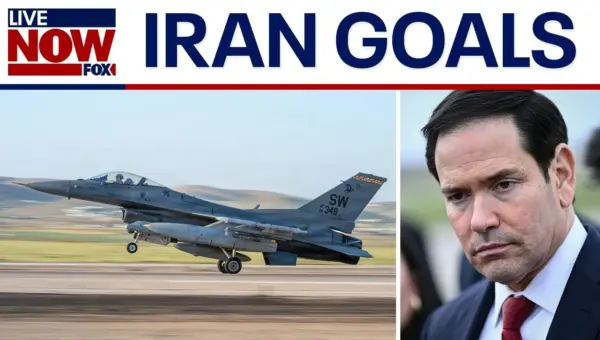
Rubio: US Can Achieve Iran War Goals Without Troops
Senator Marco Rubio outlined a strategy to counter Iran without deploying U.S. ground troops, focusing on weakening the regime and enhancing maritime security. He also criticized Cuba's economic system and expressed concerns about West Bank violence.