Israel’s Iran Campaign: Ex-Colonel Details When to Stop
Former Israeli Colonel Mary Isen explains that Israel's military campaign against Iran is a joint operation with the U.S. and should stop when key threats are degraded. She dismisses claims Israel dragged the U.S. into conflict and stresses the need for Israel to develop its diplomatic capabilities alongside its military strength.

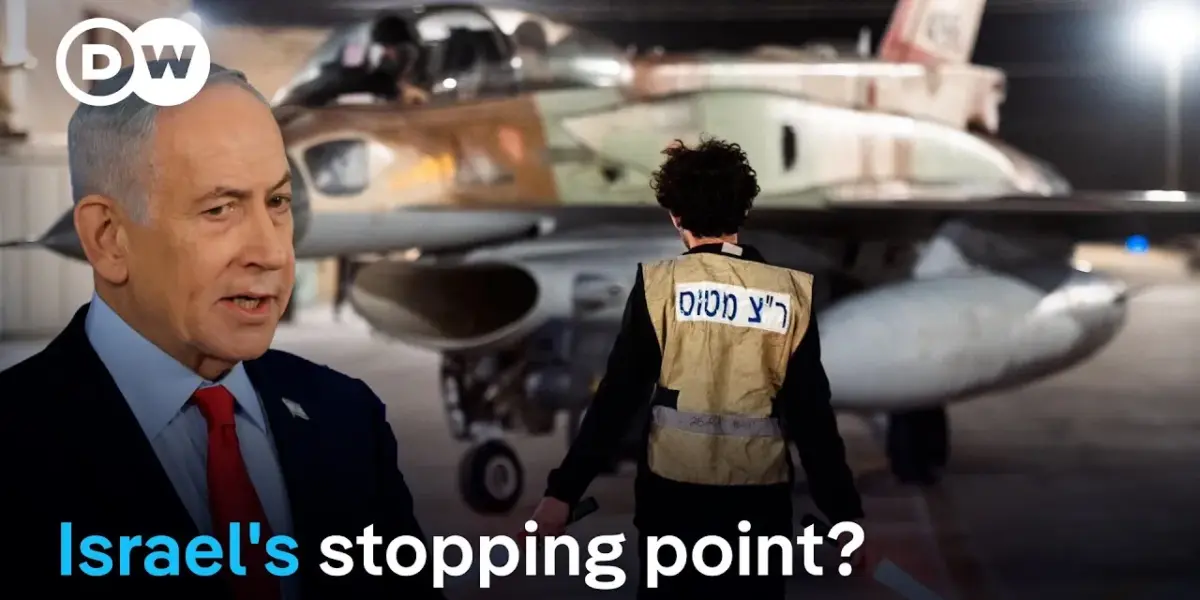
Israel’s Strategy in Iran Conflict: A Key Question
As Israel and the United States continue coordinated strikes against Iran, a crucial question arises: When does Israel decide its part of this military campaign is over? Mary Isen, a former Israeli army colonel with over 20 years in military intelligence and government service, offers insights into this complex decision-making process.
Joint Operations and Strategic Goals
Isen emphasizes that the current operations against Iran are a joint effort with the United States. She believes the campaign should cease when the targeted threats no longer pose a significant difference to Iran’s overall capabilities. “There’s no question this is a joint operation,” Isen stated. “It should stop… at the stage where the targets that they’re targeting are not ones that really make a difference.” This includes major areas like nuclear programs, missile development, and internal security infrastructure. Once these key areas are sufficiently degraded, she suggests it’s time to pause.
Addressing Strained Alliances
Recent accusations suggest that Israel may have “dragged” the U.S. into conflict with Iran. Prime Minister Binyamin Netanyahu has strongly refuted these claims. Isen dismisses these accusations as “ridiculous,” highlighting the significant difference in population between Israel and the U.S. and emphasizing that U.S. President Donald Trump makes his own decisions based on what he believes is best for America. “With all due respect, Israel is 10 million people and the United States is 350 million,” Isen noted. “I really want to ask everybody if they think that President Trump is somebody who’s dragged into anything.”
Military Action vs. Political Support
Isen draws a clear distinction between military cooperation and political support. While she served in the military, she makes it clear her views are not tied to supporting the current Israeli Prime Minister. She explains that in the U.S., as in Israel, there can be a difference between supporting a necessary action against a threat like Iran and supporting the political leader initiating it. “I want to be clear to everybody here,” Isen said. “This isn’t about me as a colonel and my support for the Israeli prime minister.” She notes that while many in both countries may have issues with their respective leaders, the current joint action against Iran has broad support within Israel, with over 90% backing.
The Rationale for Preemptive Action
Despite some criticism labeling the operation a “war of choice,” Isen strongly believes attacking Iran was the correct decision. She explains the timing is crucial, preventing Iran from replenishing its capabilities and resupplying its proxies. “The Israeli joint decision with the United States to preempt and prevent… against the Islamic regime of Iran specifically now is the question of why later,” she stated. The current moment is seen as advantageous because Iran is weaker and facing internal dissent, making it the “right time” for action.
Degrading, Not Destroying Capabilities
When asked about previous operations, Isen clarifies the impact of past actions. While previous strikes in June last year were effective, she prefers the term “diminish” or “degrade” over “destroy.” The goal is not necessarily to eliminate every single weapon or facility, but to prevent Iran from rebuilding its long-term strategic capabilities. “What was done in June was effective? What’s doing now is effective and impacting,” Isen said. “I will never use the word destroy. I use the word diminish, degrade.” The aim is to leave Iran without the overall capability it has spent years building.
The Lebanon Front and Buffer Zones
The conflict has also extended to Lebanon, with Hezbollah firing rockets into Israel, prompting Israeli responses targeting Hezbollah facilities in southern Lebanon and Beirut. This has led to significant displacement of people in Lebanon. Isen discusses how Israeli policy in Lebanon has been influenced by the October 7th attack by Hamas. The fear of a similar ground attack from Hezbollah’s Radwan forces led Israel to degrade their capabilities. She explains the concept of a “buffer zone” in southern Lebanon, not as occupied territory, but as a necessary measure to protect Israeli communities from direct attacks by anti-tank missiles and drones. “So, yes, it may be a buffer zone. It may just be for a time, but it’s to make sure that those capabilities cannot directly attack into the Israeli communities,” she explained.
Regional Risks and Gulf Neighbors
The war’s consequences are felt beyond Iran and Lebanon, with Iran targeting military and civilian sites in the Gulf. Countries like Qatar, the UAE, and Saudi Arabia face immediate risks due to their proximity to Iran. Isen believes the U.S. would have strongly advised Israel on the potential counter-reactions from Iran, not just against U.S. bases but also against other regional targets. “I think that for me this is an Iranian Islamic regime miscalculation,” she commented. While the relationship between Gulf countries and Iran is complex, she believes these nations will no longer trust Iran.
The Need for Diplomatic “Muscles”
Isen expresses concern that under the current Israeli government, diplomacy has suffered. She argues that while military prowess is essential for addressing threats, Israel needs to know when to transition from military action to diplomacy. “My fear is that we don’t necessarily know when to stop,” Isen admitted. She believes Israel excels at tactical military execution but needs to develop its “diplomatic muscles.” She concludes that an ideology cannot be bombed out of existence and that while security calculations drive Israel’s actions, the conflict must eventually give way to diplomatic solutions.
Source: How Israel decides to stop fighting in Iran | DW News (YouTube)

Related Articles

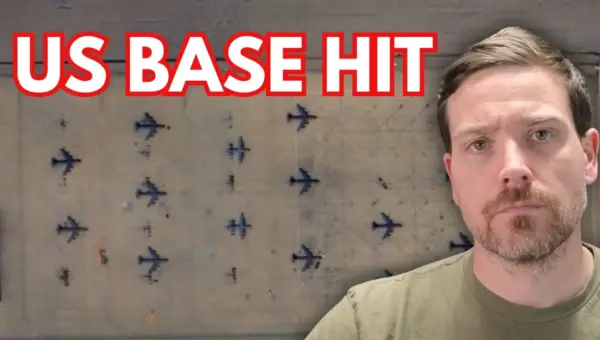
Iran Strikes US Base: Are We Learning from Mistakes?
A recent Iranian drone and missile attack wounded American service members and damaged aircraft in Saudi Arabia. This incident highlights concerns about military preparedness and the failure to learn from past mistakes, as exposed aircraft remain vulnerable targets. The ongoing conflict involves complex regional dynamics, including Iran's missile capabilities and the potential involvement of groups like the Houthis, raising questions about future stability.

Iran Conflict: US Made Costly Mistakes, Expert Warns
War game expert Finley Grimble argues the US made significant strategic errors in its approach to Iran, underestimating its retaliation capabilities and the difficulty of controlling the Strait of Hormuz. He suggests declaring victory and withdrawing is the best path forward, rather than getting bogged down in a costly conflict.

Trump Extends Iran Truce Amid Conflicting Signals, Troop Buildup
President Trump has extended a pause on threats against Iran, but conflicting statements from both sides and a significant U.S. troop buildup are fueling uncertainty and fears of escalation. The Strait of Hormuz remains a critical point of tension, impacting global oil markets.