Trump’s Iran War Message: Chaos, Contradictions, and Escalation Fears
The U.S. war on Iran is entering its fourth week amidst escalating tensions and conflicting messages from the White House. While military assets are being deployed, President Trump's statements suggest a desire to wind down the conflict, creating widespread confusion. Experts fear the situation could lead to a catastrophic energy crisis.

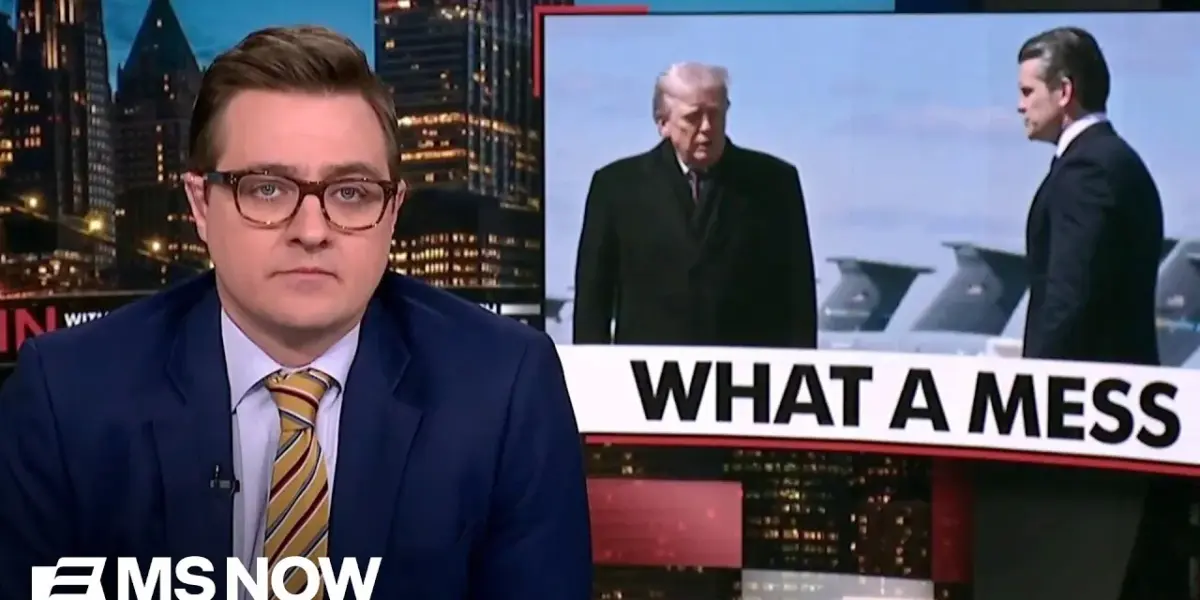
US War on Iran Marked by Confusion, Escalation Fears
The United States’ war on Iran, now approaching its fourth week, is characterized by conflicting messages and a worrying escalation of military presence. While signs pointed towards potential ground troop deployment, President Trump’s social media posts have suggested a winding down of the conflict, creating a confusing and chaotic picture for both the public and military planners. The administration is reportedly sending an additional 2,500 Marines and three warships to the Middle East, adding to the 2,500 troops previously ordered by Trump. This brings the total number of American service members en route to the combat zone to 5,000, raising serious questions about their intended role.
From Bluff to War: A Rapid Escalation
Just a month ago, the massive buildup of naval assets in the region was dismissed by some as a negotiating tactic, a “Trumpian bluff” to gain leverage in nuclear talks. However, it has become clear that this was not merely a diplomatic strategy. The administration appears to have been preparing for, and has now initiated, what is being called a “war of choice.” The initial objective, if there ever was a clear one, seems to have shifted, with Trump recently claiming the U.S. is “very close to meeting our military objectives.” Yet, this claim is difficult to reconcile with the ongoing, and potentially intensifying, conflict.
Contradictory Signals and Shifting Objectives
President Trump’s public statements have been a source of considerable confusion. He has suggested winding down the war, yet simultaneously, the conflict appears to be escalating. The White House is requesting $200 billion in additional funding for the war, a move that seems at odds with any intention to conclude hostilities soon. Furthermore, Trump has expressed disinterest in a cease-fire, stating, “I don’t want to do a cease-fire.” This stance is difficult to understand when the administration claims to be close to achieving its objectives and has stated that Iran’s military capabilities are largely destroyed.
The Strait of Hormuz: A Critical Chokepoint
A key element of the conflict revolves around the Strait of Hormuz, which remains closed to non-Iranian ships. Military and shipping experts suggest that reopening the strait would likely require U.S. ground troops. This raises the possibility that the deployment of 5,000 troops is intended for direct combat to secure the vital waterway, a move that would put American lives at risk to maintain low oil prices. However, Trump has also downplayed the importance of the strait to the U.S., stating, “The United States, we don’t need it.” This assertion is factually incorrect, as 20% of the world’s energy supply passes through the strait, impacting global oil prices and, by extension, U.S. consumers.
Potential Plans and Escalating Risks
One potential strategy being considered is the seizure of Iran’s Karj Island, a critical hub for its oil exports. However, even this plan lacks public commitment from Trump, who has cryptically stated, “I may have a plan or I may not.” Seizing the island would likely involve ground troops and combat, a scenario that has been war-gamed by military planners for decades. Despite this, there is no guarantee that such an action would force Iran to reopen the Strait of Hormuz. Instead, it could provoke Iran to further escalate its attacks on energy infrastructure in the region, potentially leading to a catastrophic energy crisis, comparable to the 1970s.
Economic Fallout and Growing Desperation
The conflict is already having a significant economic impact. Gas prices are rising, and officials in Saudi Arabia warn that oil prices could exceed $180 per barrel if the conflict isn’t resolved soon. Analysts suggest $200 barrels are not out of the question. United Airlines has reportedly prepared for prices not to drop below $170 until the end of next year. The White House’s recent lifting of sanctions on Iran, despite ongoing military actions, suggests a growing desperation within the administration. This move, coupled with the rising gas prices, could further erode public support for the war.
Disputed Justifications and Mounting Casualties
President Trump has also made demonstrably false claims about the war’s origins, stating that Iran was days away from using a nuclear weapon. This assertion has been widely debunked by intelligence officials, including those within his own administration. The repeated contradictions and shifting justifications suggest an attempt to bolster a war that is becoming increasingly unpopular. The human cost of the conflict is mounting, with reports of 13 Americans, 17 Israelis, and 1,400 Iranians killed. Millions have been displaced, and thousands have died in surrounding regions due to related conflicts.
An Unclear Path Forward
The situation remains deeply uncertain, with conflicting signals about whether ground troops will be deployed, Karj Island will be seized, the Strait of Hormuz will be reopened, or the war will be wound down. The lack of a clear strategy and consistent messaging from the commander-in-chief mirrors past crises, such as the administration’s handling of the COVID-19 pandemic. The path forward is obscured by chaos and contradiction, leaving many to question whether even President Trump has a clear plan.
Source: ‘WHIPLASH’: Hayes warns Trump’s Iran message is total chaos (YouTube)

Related Articles
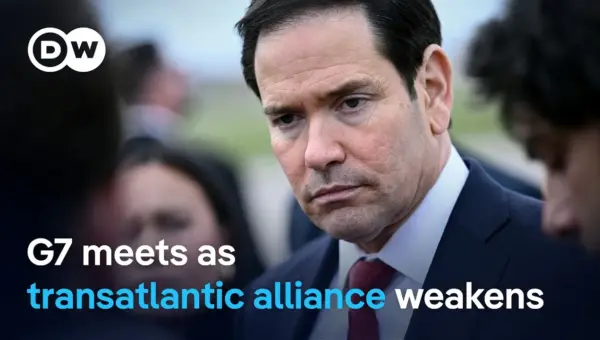
G7 Allies Clash Over Iran War Strategy, Urge Focus on Russia
G7 foreign ministers met in Paris, revealing deep divisions over the U.S. war with Iran. European allies urged the U.S. to pressure Russia, linking its actions to the conflict and fearing support for Ukraine will wane.
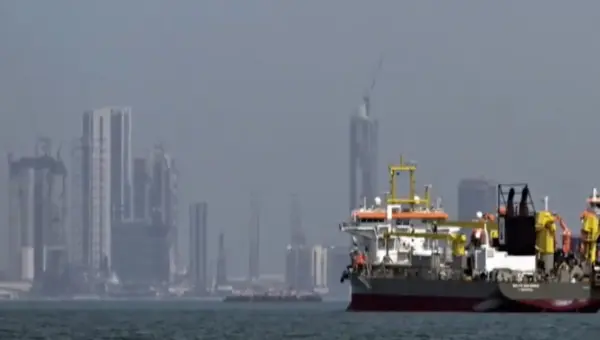
Iran Blocks China Ships, Exposing Beijing’s Weak Grip
Iran's recent decision to block Chinese ships at the Strait of Hormuz is exposing the limits of Beijing's influence in the Middle East. This action is causing delays and cancellations for Chinese manufacturers, turning a perceived geopolitical win into an economic strain.
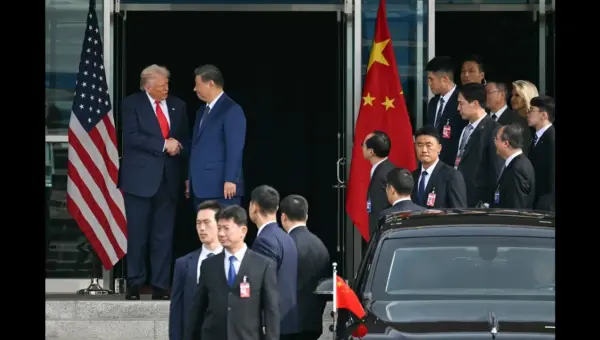
Trump’s “Walk Away” Tactic Signals Tougher Stance on China
Retired Air Force Brigadier General David Stillwell believes President Trump's strategy of being willing to walk away from negotiations puts pressure on China. This tactic, combined with US global actions and strengthened alliances, signals a more assertive American foreign policy.