Iran Conflict Fuels Market Turmoil, Uprising Looms
The conflict in Iran is fueling market volatility, with predictions of prolonged turmoil. Analysts also suggest a "popular insurrection" may be brewing within the country, adding to geopolitical and economic uncertainty.

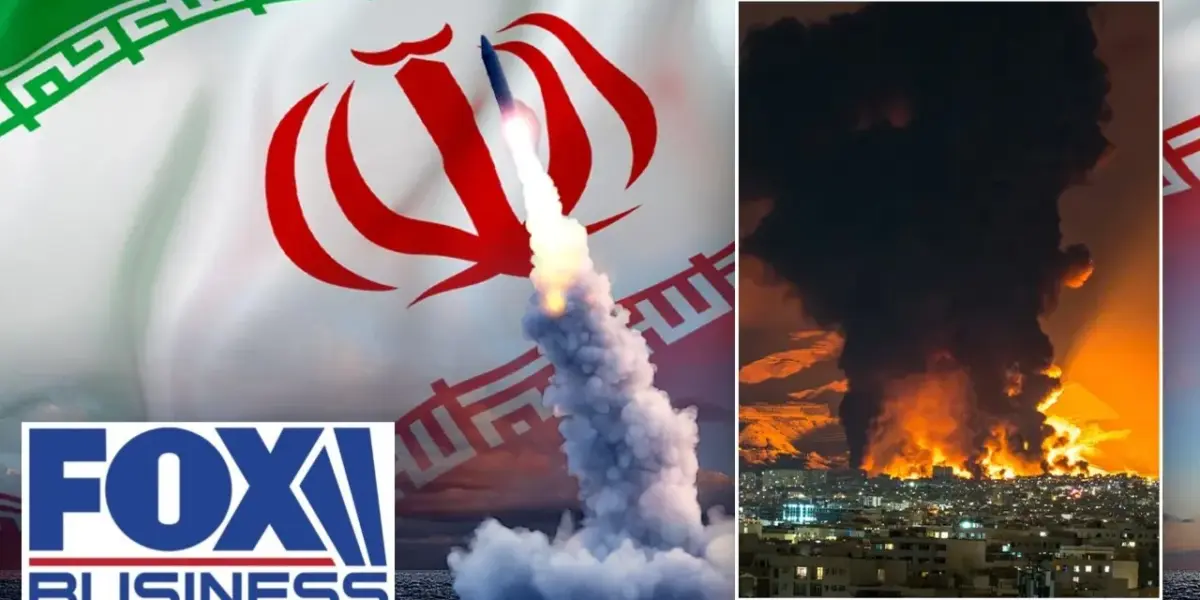
Iran Conflict Fuels Market Turmoil, Uprising Looms
The ongoing conflict in Iran is creating significant market volatility, with analysts predicting continued turmoil as the situation unfolds. A former CIA officer specializing in Iran suggests that internal unrest, or a “popular insurrection,” could be on the horizon, adding another layer of uncertainty for investors.
Market Volatility Linked to Conflict
The current military actions are expected to last for several more weeks. This prolonged conflict is likely to keep financial markets on edge. U.S. Navy destroyers may need to escort convoys through key shipping lanes, like the Strait of Hormuz, once they feel safe enough. This process could take time, meaning the war and its impact on markets will continue. Presidents sometimes react to market swings, adding another unpredictable element.
U.S. Military Presence Grows
The United States is increasing its military presence in the region. Initial deployments included 4,500 Marines, with a second wave of 2,500 following. These forces are reportedly heading towards the Strait of Hormuz, a critical chokepoint for global oil supply. This heightened military activity underscores the seriousness of the situation and its potential to disrupt international trade and energy markets.
Signs of Internal Unrest in Iran
Beyond the external conflict, there are indications of growing internal dissent within Iran. The idea of a “popular insurrection” has been discussed as a potential outcome. This is not a new phenomenon in Iran. Since 2009, when millions protested in Tehran during the pro-democracy Green Movement, there have been regular uprisings against the Islamic Republic.
Recent Protests and Future Concerns
Massive demonstrations also occurred in January, following a period of conflict. While these movements show a clear desire among the Iranian people to challenge the current regime, the timing of any future uprising remains uncertain. It could happen in six months, eight months, or even a year from now. The harsh response to protests in January, which involved significant loss of life, may make people hesitant to act immediately.
What Investors Should Know
The combination of external military conflict and potential internal instability in Iran creates a complex and risky environment for investors. Key factors to watch include:
- Duration of Conflict: How long the current military actions continue will directly impact market sentiment and oil prices.
- Geopolitical Stability: Any escalation or de-escalation in the region will cause market reactions. The Strait of Hormuz is particularly sensitive.
- Internal Iranian Dynamics: The possibility of widespread protests or an uprising could lead to significant political and economic shifts within Iran, with ripple effects globally.
- Energy Market Impact: Iran is a major oil producer. Disruptions to its supply can cause oil prices to surge, affecting inflation and consumer spending worldwide.
Long-Term Implications
The long-term implications are significant. If the current regime faces sustained internal pressure, it could lead to a fundamental change in Iran’s political landscape. This could, in turn, alter global energy dynamics and international relations. For investors, this means a need for careful monitoring of both the military situation and the internal social mood in Iran. Diversification and risk management become even more crucial in such uncertain times.
The situation in Iran presents a dual threat: direct conflict impacting global trade and the potential for internal upheaval. Both factors contribute to market uncertainty.
Understanding Key Terms
- Market Turmoil: A period of significant price swings and uncertainty in financial markets. Think of it like a stormy sea for stocks and bonds.
- Strait of Hormuz: A narrow waterway between the Persian Gulf and the Gulf of Oman. It’s a vital route for oil tankers. A blockage here could severely impact oil supplies.
- Popular Insurrection: A widespread uprising or rebellion by the general population against their government. It’s like a large-scale protest turning into a fight for change.
- Islamic Republic: The current form of government in Iran, established after the 1979 revolution.
The coming weeks will be crucial in determining the path forward for both the region and the global markets. Investors should stay informed and prepared for potential shifts.
Source: ‘POPULAR INSURRECTION’ is coming in Iran: Former CIA Iranian-targets officer (YouTube)

Related Articles

Stocks Ignore War Risks, Focus on “Taco Moments”
Stock markets appear to be overlooking the severe supply chain risks stemming from the Iran conflict, focusing instead on potential diplomatic de-escalations. While the S&P 500 shows resilience, bond and commodity markets signal deep concern over disruptions to critical resources like LNG, helium, and fertilizers.

U.S. Iran Tensions Rise Amid Shifting Alliances
Rising tensions between the U.S. and Iran are creating a volatile geopolitical situation. With conflicting signals on de-escalation and potential shifts in alliances like NATO and U.S.-Israel relations, the path forward remains uncertain. The global economy and regional stability hang in the balance.


Iran Targets US With Cyberattacks, Escalating Digital Warfare
Iran is increasingly using cyberattacks to challenge the U.S., as seen in a recent hack of the FBI director's account. Experts say this is a strategic shift due to Iran's limitations in conventional warfare. The U.S. needs to strengthen its digital defenses, focusing on encryption and cloud computing, rather than solely relying on traditional security measures.