AI Turns Audio Into Engaging Video Content
A new wave of AI technology is transforming audio recordings into dynamic video content, significantly lowering the barriers to video creation. This advancement promises to democratize content production for individuals and businesses alike.

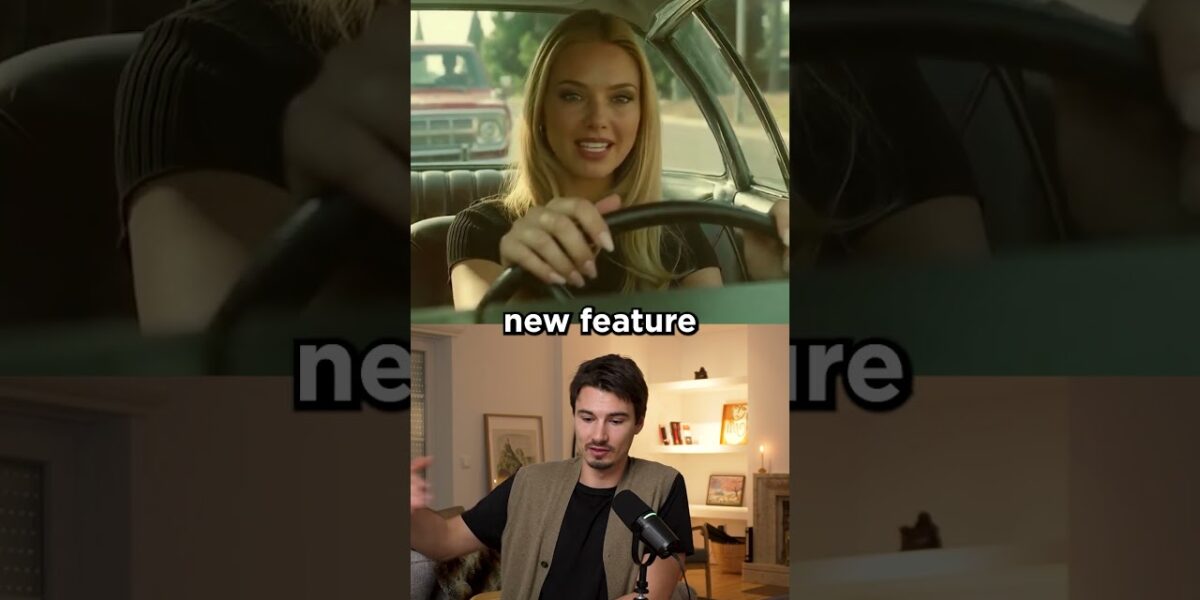
AI’s Next Frontier: Transforming Audio into Dynamic Video
The artificial intelligence landscape is constantly evolving, with new breakthroughs emerging at a rapid pace. This week, a significant advancement has captured the attention of the tech world: the ability for AI to transform simple audio recordings into compelling video content. This innovative technology promises to democratize video creation, making it more accessible and efficient for a wide range of users.
The Power of Audio-to-Video AI
Imagine speaking a few words and having an AI instantly generate a corresponding video. This is no longer science fiction. Recent developments in AI models have enabled the creation of tools that can take an audio input – whether it’s a spoken sentence, a podcast segment, or even a song – and produce a synchronized video with relevant visuals. This capability is being hailed as a game-changer for content creators, marketers, educators, and anyone looking to communicate more effectively through visual media.
How It Works: A Glimpse Under the Hood
While the specifics of each AI model vary, the core concept behind audio-to-video generation involves sophisticated machine learning techniques. These models are trained on vast datasets of audio-visual pairs, learning the intricate relationships between spoken words, sounds, and visual representations. When provided with new audio, the AI analyzes its content, tone, and rhythm to generate appropriate imagery, animations, or even lip-syncing to match the spoken words.
Key AI concepts at play include:
- Generative Models: These AI models are designed to create new content, such as images, text, or in this case, video, based on the patterns they’ve learned from training data.
- Natural Language Processing (NLP): NLP allows the AI to understand the meaning and nuances of the spoken audio, which is crucial for selecting relevant visuals and generating accurate lip movements.
- Computer Vision: This field of AI enables the system to ‘see’ and interpret images, helping it to generate or select visuals that align with the audio content.
Bridging the Gap in Content Creation
Traditionally, creating engaging video content has been a time-consuming and resource-intensive process. It often requires specialized software, editing skills, and access to stock footage or original filming. Audio-to-video AI significantly lowers these barriers. For instance, a small business owner could quickly generate a promotional video by simply recording a script. An educator could create explainer videos for complex topics without needing advanced video editing expertise. Podcasters could transform their audio episodes into shareable video clips for social media.
Comparisons to Existing Technologies
While AI-powered video editing tools have been around for some time, offering features like automatic scene detection or background removal, the direct conversion of audio to video represents a leap forward. Previous tools might assist in the editing process, but they didn’t automate the generation of video content from raw audio input to this extent. This new wave of AI is not just assisting; it’s creating.
Why This Matters: Real-World Impact
The implications of this technology are far-reaching:
- Democratization of Content Creation: Individuals and small businesses with limited budgets and technical skills can now produce professional-looking videos.
- Enhanced Communication: Complex information can be conveyed more effectively through the combination of audio and visuals, leading to better understanding and engagement.
- Increased Accessibility: For individuals who prefer or require audio content, the ability to quickly generate accompanying visuals can make information more accessible.
- Efficiency Gains: Businesses and content creators can save significant time and resources previously spent on video production.
The Current Landscape and Future Outlook
Several companies are actively developing and releasing tools in this space. While specific model names and pricing details are still emerging and subject to rapid change, the trend is clear: AI is rapidly becoming an indispensable tool for video creation. Early versions of these technologies demonstrate remarkable capabilities, with ongoing research focused on improving visual realism, contextual understanding, and the diversity of generated styles. As these models become more sophisticated, we can expect even more seamless and creative audio-to-video transformations, potentially reshaping how we consume and produce digital media.
Source: Audio-to-Video is the New Hotness 🔥 (YouTube)

Related Articles


AI Reshapes Economy: New Wealth Opportunities Emerge
Artificial intelligence is set to dramatically reshape the global economy within five years, creating both challenges and significant wealth-building opportunities. Experts emphasize the need to adapt by learning AI skills, drawing parallels to how past technological shifts democratized access to knowledge and investment strategies.

AI Misdiagnoses Medical Cases 80% of the Time
A recent U.S. study reveals that AI chatbots are misdiagnosing medical conditions in 80% of cases, highlighting significant risks in relying on artificial intelligence for health advice. Personal stories shared by individuals demonstrate how online self-diagnoses led to incorrect treatments and prolonged suffering, underscoring the irreplaceable value of human medical professionals.


Hermes Agent Learns and Evolves Autonomously
Hermes Agent, developed by News Research, introduces persistent memory and autonomous skill development, allowing AI to continuously improve. It offers flexible model choices, including free options, and is designed for easy setup on local machines or VPS.