Crypto Bill “Clarity Act” Nears Senate Vote
The U.S. crypto market is on the cusp of significant regulatory change as the Clarity Act moves closer to a Senate vote. A compromise on stablecoin yield is reportedly nearing, aiming to bring clarity to digital asset regulations. Key industry figures are commenting on the potential impacts and ongoing negotiations.


Crypto Bill “Clarity Act” Nears Senate Vote Amidst Industry Compromise
The cryptocurrency market in the United States may soon see new regulations as a key piece of legislation, known as the Clarity Act, appears to be moving forward. Reports suggest a compromise has been reached within the Senate Banking Committee, with an announcement possibly coming today or within the next 24 hours. This development could mark a significant moment for the digital asset industry, aiming to provide regulatory clarity for the first time.
Stablecoin Yield at Center of Debate
A major point of contention in the ongoing discussions has been the issue of stablecoin yields. Stablecoins are digital currencies pegged to a stable asset, like the U.S. dollar. Earning yield, or interest, on these stablecoin deposits has been a popular offering for crypto companies, but has faced resistance from traditional banking institutions. Reports indicate that a compromise on this specific issue is a key part of the potential agreement.
Voices from the Industry
Prominent figures in the crypto space have weighed in on the potential Clarity Act. Mike Novogratz, a well-known investor, shared insights suggesting that both Democrats and Republicans are interested in passing the bill. He mentioned speaking with Senator Chuck Schumer, who expressed a desire to pass the Clarity Act. Novogratz also highlighted that Brian Armstrong, CEO of Coinbase, has concerns, particularly regarding stablecoin yield. However, Novogratz argued that allowing banks to offer competitive interest rates on deposits, similar to what stablecoins can offer, is fair and beneficial for consumers.
The debate touches upon how traditional banks operate versus the innovation seen in crypto. While banks may rely on customer deposits for lending, critics argue they often pay very low interest rates. In contrast, stablecoins can offer attractive yields, especially when compared to the perceived safety of U.S. Treasury bills. This difference in consumer return is seen by some as a critical consumer protection issue that lawmakers should address.
Legislative Process and Potential Hurdles
The Clarity Act has already passed the House of Representatives and is currently in committee in the Senate. For the bill to become law, it needs to pass the full Senate and then be signed by the President, who has reportedly signaled his support. However, the legislative timeline is tight. With limited working months for Congress, there is pressure to move the bill forward promptly after the Easter recess.
Some analysts express cautious optimism, noting that while a compromise is being discussed, the final outcome and timeline remain uncertain. The process involves representatives from both the crypto industry and banking sector working to find common ground. This collaborative approach, though seemingly unusual to some observers, is currently underway, with meetings happening in Washington D.C.
Broader Regulatory Developments
Beyond the Clarity Act, other regulatory steps are being taken. Recently, the Commodity Futures Trading Commission (CFTC) and the Securities and Exchange Commission (SEC) released joint guidance. This guidance aims to clarify the distinction between a security and a commodity, a question that has been a significant point of legal debate in the crypto industry. While this is a step towards clarity, many believe a comprehensive legislative bill like the Clarity Act is still needed.
Impact on Altcoins and Emerging Tech
The passage of the Clarity Act could have varied impacts across different cryptocurrencies, or altcoins. Experts suggest that projects with clear use cases, strong user adoption, and proven product-market fit are likely to benefit the most. Ethereum, for instance, has seen a substantial inflow of stablecoins recently, surpassing other major networks like Binance and Tron. This indicates growing confidence and utility within its network.
In parallel developments, the world of decentralized artificial intelligence (AI) is also gaining attention. Projects like Bit Tensor are entering mainstream conversations, with figures like Nvidia CEO Jensen Huang discussing the potential of open-source, decentralized protocols. Bit Tensor’s subnet architecture allows for distributed training of AI models, a technical feat that showcases the power of collective computing resources, akin to a modern version of ‘Folding at Home’. This decentralization of compute and architecture is seen by some as crucial for making AI broadly accessible.
The intersection of blockchain technology and AI is an evolving area. The discussion around open-source versus proprietary models highlights a dual approach, where both decentralized and centralized systems will likely coexist and develop. As the crypto regulatory landscape continues to take shape, innovations in decentralized technologies, including AI, are poised to play an increasingly important role.
Source: BREAKING: CNBC Accidentally Reveals Crypto (Clarity Act) Will Advance Today (YouTube)

Related Articles


Ripple CEO Slams Biden’s Crypto ‘War,’ Sees Industry Clarity Ahead
Ripple CEO Brad Garlinghouse criticizes the Biden administration's 'war on crypto' and expresses optimism for regulatory clarity. The company has seen significant business growth through strategic acquisitions, with corporate clients increasingly adopting digital asset solutions.


SEC’s Gensler Targets Stablecoin Yields, Clarity Act Looms
SEC Chair Gary Gensler has raised concerns about stablecoin yields potentially destabilizing the banking system. Meanwhile, progress on the crypto Clarity Act shows bipartisan support, with industry players like Coinbase actively involved in discussions. The outcome could significantly impact the future of digital assets in the US.

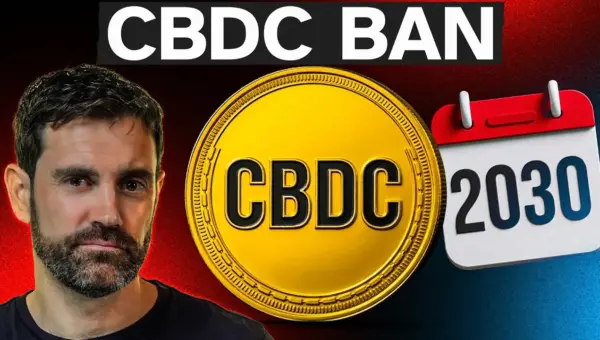
US Senate’s CBDC Ban: A 2030 Time Bomb?
The US Senate's recent vote to ban retail CBDCs appears to be a win for privacy, but a closer look reveals a sunset clause set to expire in 2030. Critics argue this temporary ban is a strategic move to allow private stablecoin infrastructure to develop, potentially paving the way for government-controlled digital dollars by the end of the decade.