US Allies Boost Strait of Hormuz Patrols Amid Oil Price Jitters
International efforts are underway to secure the Strait of Hormuz, with allies joining the U.S. in patrols to ensure oil supply stability. Measures like strategic petroleum reserve releases and potential sanctions adjustments aim to counter rising oil prices. The U.S.'s domestic energy production provides a buffer against extreme market swings.

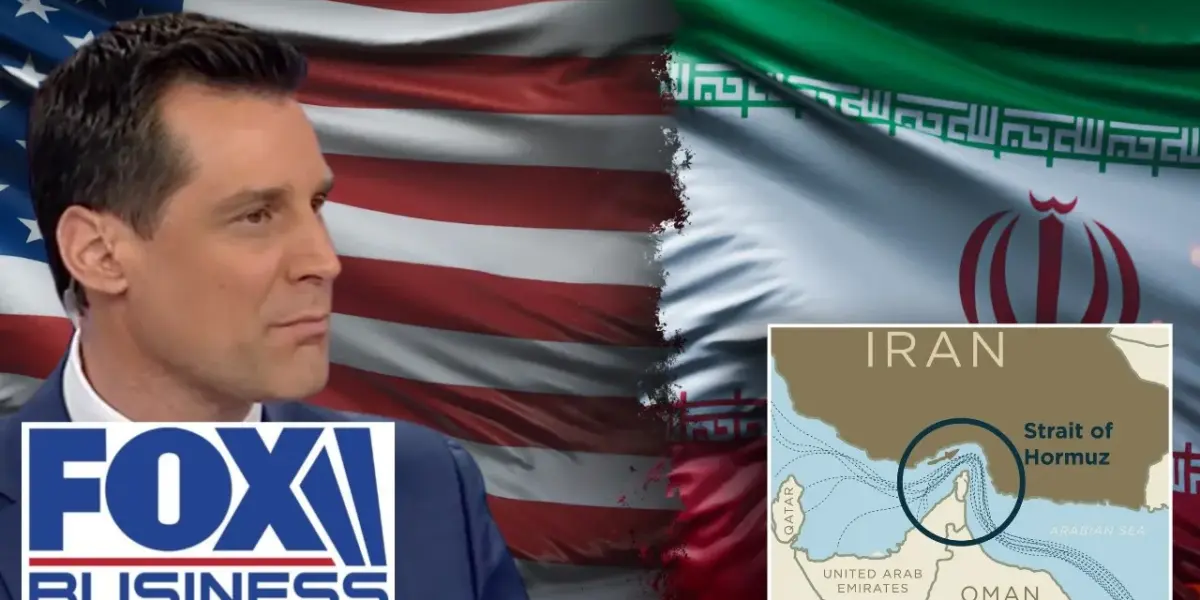
Global Oil Markets Brace for Impact as US Rallies Support for Strait of Hormuz
Global oil prices are showing signs of volatility, with Brent crude hovering around $110 and West Texas Intermediate (WTI) near $98. This comes as the United States seeks international cooperation to secure the vital Strait of Hormuz, a key chokepoint for global energy supplies. The initiative aims to ensure the free flow of commercial shipping and stabilize energy markets, potentially easing price pressures at the pump.
International Coalition Forms to Protect Shipping Lanes
Seven nations, including France and Japan, have reportedly backed a U.S.-led coalition to safeguard commercial vessels transiting the Strait of Hormuz. This international effort is designed to counter threats to energy infrastructure in the region. The Trump administration is also considering strategic releases from the nation’s Strategic Petroleum Reserve (SPR) and the potential to lift sanctions on Russian and Iranian oil, actions that Energy Secretary Chris Wright suggests could happen very soon.
“The market has seen that the United States is going to be very pragmatic here,” stated an analyst, referring to the administration’s approach. “We have an interruption of oil flows and we want to will it every way we can from SPRs from floating bills that they are just lined up to go into China to any other actions we can take.”
Swift Oil Supply Restoration Expected
Once sanctions are lifted, the impact on oil supply could be felt within days. “With unsanctioning, within days, three or four days, that oil will start to arrive at ports and of course most refineries are near ports, so pretty quickly,” explained one market observer. This rapid potential influx of oil is seen as a crucial step in mitigating supply disruptions.
US Energy Independence Cushions Price Shocks
The current geopolitical tensions have highlighted the benefits of the United States’ increased energy independence. “I think just laying that groundwork by tapping into energy and expanding energy independence in America, really has kind of immunized us from the worst of the fallout when it comes to oil and energy,” commented Caroline Downey, a columnist for National Review. This domestic production capacity is viewed as a buffer against extreme price swings.
Long-Term Challenge: Securing the Strait of Hormuz
While short-term measures like SPR releases and sanctions adjustments aim to stabilize supply, the long-term challenge remains securing the Strait of Hormuz. Iran’s ability to threaten energy infrastructure, including oil tankers and Qatari liquefied natural gas shipments, is considered its primary leverage. Despite military actions that have significantly degraded Iran’s conventional navy, the regime retains capabilities such as sea mines, drones, and fast boats.
The U.S. military is reportedly developing countermeasures for these threats to ensure safe passage through the strait. The international participation, including unexpected allies like India and Pakistan, is seen as a positive development, demonstrating a unified front against regional instability.
Expert Views on US Military Capability
Brian Brenberg, a commentator, expressed confidence in the U.S. military’s ability to handle threats in the Strait of Hormuz. “I think we can beat Iran in the Strait of Hormuz,” he stated. “I’m not saying it’s going to be super simple but I’m confident that the U.S. Armed Forces can beat Iran in the Strait of Hormuz.” He also emphasized the urgency of addressing the issue now, rather than later, especially concerning the potential for Iran to acquire nuclear weapons.
Geopolitical Stability and Investor Comfort
The broader goal extends beyond immediate oil price concerns. Restoring geopolitical stability by addressing threats like Iran is seen as beneficial for long-term economic health. “Stabilization of oil going forward by eliminating that menace will also be good,” one analyst noted. “And so when you start drilling more here and you stabilize Venezuela and you unlock what could be coming out of that region, you could see stabilization and actually affordability could get a lot better faster.”
Market Impact and Investor Considerations
While efforts are underway to stabilize oil supplies and address geopolitical risks, market participants are closely watching the broader economic implications. Concerns exist about potential negative impacts on global Gross Domestic Product (GDP) growth following significant oil price shocks. Deutsche Bank analysis suggests that historically, a substantial oil price increase, coupled with a negative quarterly GDP growth, has often preceded a recession.
Borrowing costs for companies and consumers are also a point of concern, with notable increases in yields observed over short periods. These factors contribute to market uncertainty, even as the administration pursues a strategy to mitigate these risks.
The S&P 500 has seen a decline of over 4%, with its year-to-date gains being modest. This backdrop underscores the complex interplay between geopolitical events, energy markets, and broader financial conditions. Investors are advised to monitor these developments closely as the situation in the Strait of Hormuz and its impact on global energy and economic stability continue to unfold.
Source: US can beat Iran in Strait of Hormuz, Brian Brenberg argues (YouTube)

Related Articles
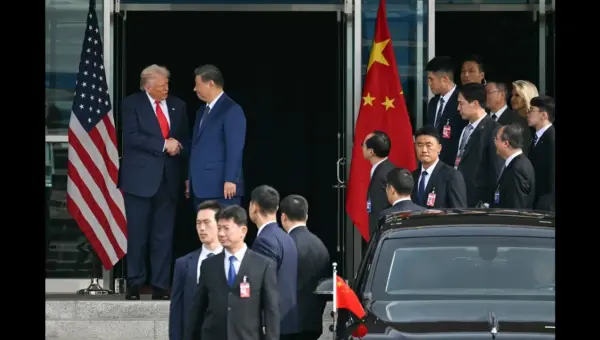
Trump’s “Walk Away” Tactic Signals Tougher Stance on China
Retired Air Force Brigadier General David Stillwell believes President Trump's strategy of being willing to walk away from negotiations puts pressure on China. This tactic, combined with US global actions and strengthened alliances, signals a more assertive American foreign policy.
China Fights Back: Tariffs Loom Ahead of Trump Visit
China is retaliating against US trade investigations that could lead to higher tariffs. This escalating trade tension occurs just before a planned visit by President Trump. The dispute involves accusations of unfair practices and impacts global supply chains.


Israelis Forge Resilience Amidst Constant Bomb Shelter Drills
Life in Israel is a blend of resilience and constant vigilance, with many families adapting to frequent bomb shelter drills and even sleeping in makeshift shelters. Despite ongoing missile attacks, Israelis strive to maintain normalcy, though businesses face disruption and emotional fatigue is a growing concern.