Ukraine’s Drone Pilots Fight Back Near Pokrovsk
Ukrainian drone pilots are playing a crucial role in defending the front lines near Pokrovsk, a strategically vital city. Facing constant threats from Russian drones and advancing ground forces, these pilots have transitioned from infantry roles to utilize advanced technology. The battle highlights the evolving nature of modern warfare, where drones provide critical intelligence and support, even enabling improvised supply missions to cut-off troops.

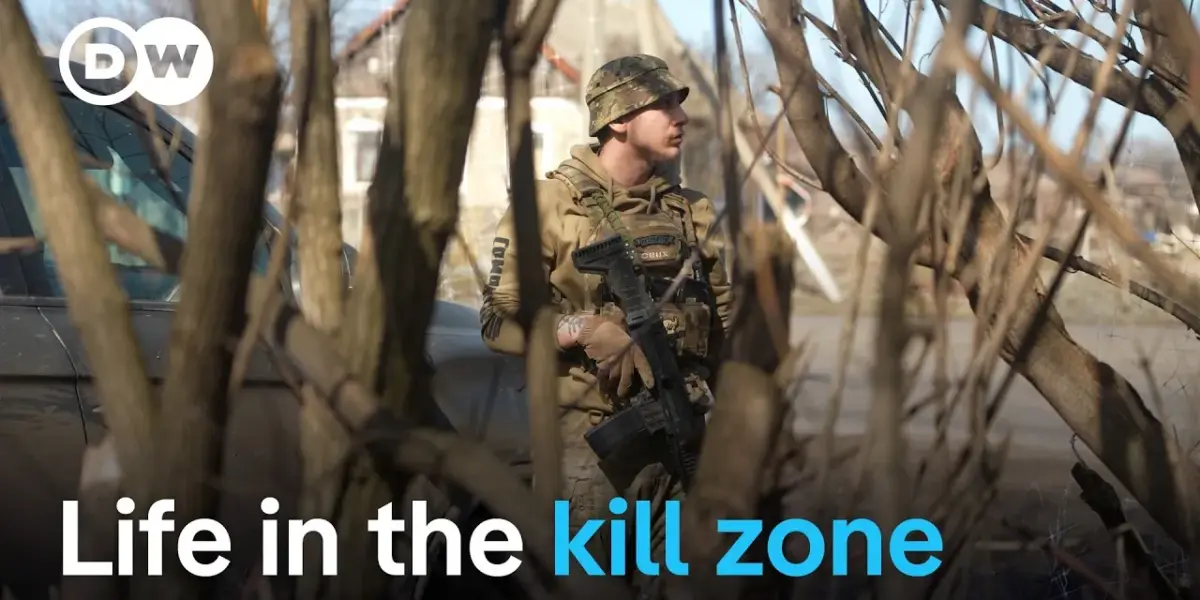
Drones Dominate Ukraine’s Front Lines Near Pokrovsk
Ukrainian soldiers near the embattled city of Pokrovsk are facing a relentless threat from above. The constant hum of drones, often mistaken for lawnmowers in peacetime, now signals danger just 20 kilometers from the front. To protect their exact locations, some images in this report have been blurred, making it harder for Russian forces to identify troop movements.
From Infantry to Drone Warfare
A dedicated unit of Ukrainian drone pilots has a unique story. After years serving as infantry soldiers, experiencing injuries from bullets and shrapnel, they decided to switch roles. “We decided we’d done enough shooting, enough running around down the years,” one pilot explained. “It was time to start using technology to fight for us.” This unit, bonded by years of service, now uses advanced drone technology to counter Russian advances.
The Paradox of Modern Warfare
Drone technology is transforming the battlefield, making it difficult for anyone to hide for long. However, this same technology forces infantry units on both sides to fight more traditionally, on foot. Tanks and armored vehicles are easily spotted from the sky. Russian forces often advance on foot in small groups or use motorbikes and quad bikes, sometimes even electric scooters, to approach Ukrainian positions. This reliance on ground troops highlights the complex reality of modern combat.
Pokrovsk: A Strategic Battleground
Pokrovsk has been a primary target for Russia for over a year, with significant manpower dedicated to its capture. Analysts predicted its fall in early 2025, but Ukrainian troops have held their ground. While Russia claimed control in late 2025, Ukraine denied it, releasing footage of troops still operating in the city. The Institute for the Study of War noted in February 2026 that there was no evidence of Ukrainian forces within Pokrovsk since late January. Neither side has fully confirmed or denied Ukrainian presence, citing safety concerns.
Navigating Extreme Danger on the Road
Reaching positions near Pokrovsk involves treacherous road travel. The unit described their drive as a constant high-stakes maneuver. “Anywhere else, you might think that sound was someone mowing their lawn. Except we’re 20 km from Pokrovsk,” one pilot noted. Moving quickly is the only defense against drone attacks. The journey to the front lines is perilous, with Russian drones actively targeting vehicles. Even armored personnel carriers are vulnerable. One APC was damaged while trying to avoid a drone. The pilots recounted how they had to swerve around potential road hazards, like magnetic mines dropped by Russian drones.
Improvised Resupply Missions
The front lines near Pokrovsk are constantly shifting, with burnt-out vehicles accumulating and blocking roads. This creates situations where supply lines are cut off, forcing troops to rely on foot or air transport. In one instance, a drone pilot was tasked with an unusual mission: delivering cigarettes and food to cut-off infantry soldiers. “This is the first time in all the years I’ve been a drone pilot I’ve ever had to do something like this,” the pilot said. The drone successfully delivered the supplies, offering a small comfort to soldiers in a difficult situation. The drone carried sausage and cigarettes instead of explosives, a testament to the evolving needs on the battlefield.
Expert Analysis: The Broader Picture
Datia Sagamoso, an expert on Russian foreign and security policy at King’s College London, provided context on the strategic importance of Pokrovsk. She explained that the city was a vital communication hub for Ukraine, linking key defensive strongholds in the Donbas. Its capture would significantly weaken Ukraine’s defensive lines. Sagamoso noted that while the situation in the Donetsk region is challenging, Ukraine is pushing back in other areas further south. The ongoing conflict in Iran also plays a role, diverting international attention and providing Russia with increased revenue from energy sales, potentially prolonging the conflict.
The Future of Drone Warfare
Drones provide crucial visibility and transparency on the front lines, offering an advantage to defensive positions. They can also strike deep behind enemy lines, targeting logistics and support. Ukraine has become a world leader in drone technology, developing advanced capabilities for both attack and counter-drone measures. Robotics and artificial intelligence are increasingly being used for logistics and medical evacuations. However, the use of air defense systems like Patriots to counter threats in the Middle East raises concerns about missile stocks available for Ukraine’s defense.
Looking Ahead
The situation near Pokrovsk remains tense, with both sides exerting pressure. The effectiveness of Ukrainian drone operations will be critical in holding the line. International attention remains divided, but the technological innovations emerging from the conflict, particularly in drone warfare, will likely shape future military strategies worldwide. The sustainability of Ukraine’s air defense capabilities in the face of global demand will be a key factor to watch.
Source: Ukrainian drone pilots help hold line near Pokrovsk | DW News (YouTube)

Related Articles
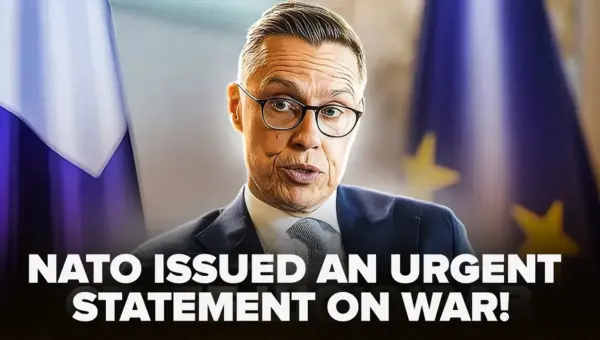
Ukraine Strikes Russian Oil Refinery, Eyes Iran Threat
Ukrainian forces struck a key Russian oil refinery, disrupting Moscow's war capabilities. Meanwhile, Finland's president urged continued U.S. support for Ukraine, as Kyiv shares its air defense expertise globally amid growing geopolitical complexities involving Iran and potential sanctions against Hungary.
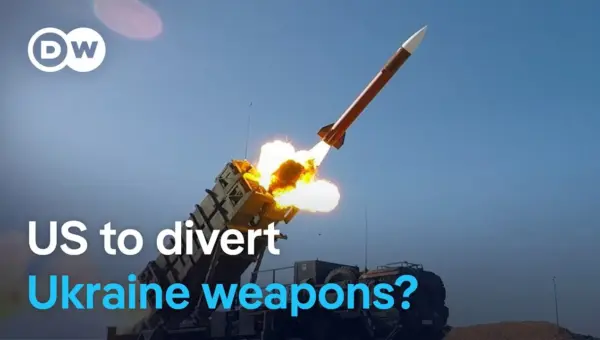
US Weighs Shifting Ukraine Weapons to Iran Amid Missile Shortage
The U.S. is reportedly considering diverting weapons destined for Ukraine to support operations against Iran, driven by rapidly depleted missile stocks. This potential shift raises concerns about Ukraine's defense capabilities and highlights the complex interplay between global conflicts.

Ukraine Strikes Cripple Russian Oil Exports
Ukrainian drone strikes are crippling Russia's oil exports and damaging its economy, leading to falling domestic support for President Putin. The targeted attacks on refineries and terminals aim to cut off war funding and have significant geopolitical consequences.