Kushner’s Deals Spark Conflict of Interest Fears
Jared Kushner, former President Trump's son-in-law, is facing scrutiny for seeking investments from countries where he also represents the U.S. in negotiations. This practice raises concerns about potential conflicts of interest and the integrity of diplomatic efforts. Ethics watchdogs question whether personal financial gain could influence his official duties.

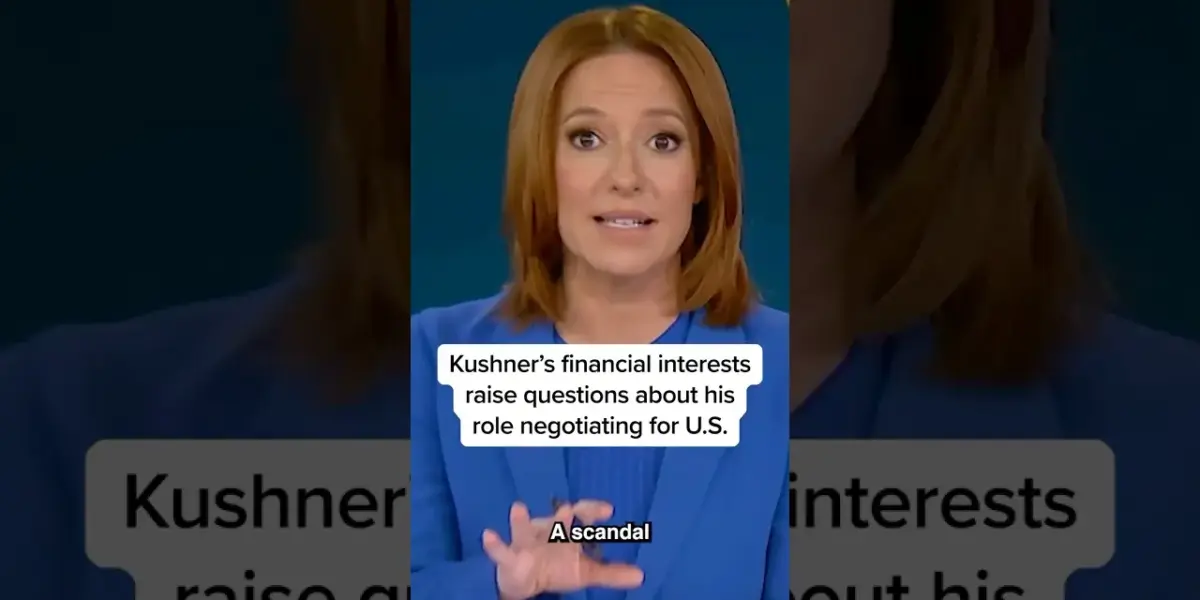
Kushner’s Deals Spark Conflict of Interest Fears
Jared Kushner, former President Donald Trump’s son-in-law, is facing scrutiny over potential conflicts of interest. He is representing the United States in foreign negotiations while simultaneously seeking personal investments from the very countries he is engaging with. This situation raises serious questions about whether his personal financial interests could influence his official duties.
A Complex Web of Business and Diplomacy
Kushner’s business dealings have come under a spotlight following his role in Middle East diplomacy. Reports indicate that Kushner’s firm, Affinity Partners, has been seeking significant investments from leaders and entities in countries where he previously helped shape U.S. foreign policy. This includes nations like Saudi Arabia and the United Arab Emirates, which were key players in the Abraham Accords he helped broker.
The core of the concern lies in the overlap between his diplomatic responsibilities and his private financial pursuits. As a representative of the U.S., Kushner’s actions are expected to serve American interests. However, when those actions also directly benefit his personal investment firm, it creates a perception, and potentially the reality, of a conflict.
What is a Conflict of Interest?
A conflict of interest occurs when an individual’s personal interests, such as financial gain, could improperly influence their professional or official decisions. For example, imagine a city official who is in charge of approving new building projects. If that official also owns stock in a construction company that is bidding on those projects, their personal financial interest could sway their decision-making, rather than choosing the best proposal for the city.
In Kushner’s case, the potential conflict arises because he is negotiating on behalf of the U.S. government with foreign governments. At the same time, his investment firm is actively trying to secure funding from these same governments or their associated entities. This creates a situation where the success of his diplomatic efforts could directly lead to personal financial rewards, and vice versa.
Past Actions and Current Dealings
During his time in the Trump administration, Kushner was involved in significant diplomatic initiatives, particularly in the Middle East. He played a key role in developing the Abraham Accords, which normalized relations between Israel and several Arab nations. Now, his business interests appear to be focusing on these same regions.
Affinity Partners has reportedly been in talks to raise billions of dollars. A significant portion of this funding is said to be coming from sources connected to Saudi Arabia and the UAE. This raises concerns about whether his past diplomatic leverage could be used to facilitate current business deals, or if the pursuit of these deals could shape his approach to ongoing negotiations.
Concerns from Watchdogs and Experts
Government ethics watchdogs and former officials have voiced concerns about this arrangement. They argue that even the appearance of a conflict of interest can erode public trust and undermine the integrity of diplomatic processes. When a negotiator has a personal stake in the outcome of discussions with a foreign power, it becomes difficult for that power, and the American public, to believe that decisions are being made solely in the national interest.
“What can go wrong?” is a question that echoes the sentiment of these critics. The potential for quid pro quo, where favors are exchanged between diplomatic actions and investment opportunities, is a significant worry. It could also create an uneven playing field for other investors and complicate future diplomatic relations.
Broader Implications for U.S. Diplomacy
The situation involving Jared Kushner highlights a broader challenge in U.S. foreign policy and business. It brings to the forefront the delicate balance between public service and private enterprise. The ethical guidelines and regulations surrounding such activities are designed to prevent situations where personal gain could compromise national interests.
Ensuring transparency and accountability in the dealings of high-profile officials is crucial for maintaining faith in government. The public needs assurance that those representing the nation abroad are doing so with undivided loyalty to the country’s objectives, free from the influence of personal financial incentives.
Looking Ahead
The ongoing scrutiny of Kushner’s financial dealings and his role in foreign negotiations will likely continue. Attention will be paid to the transparency of these deals and whether any official actions taken by Kushner appear to directly benefit his investment firm. Future diplomatic engagements and investment activities will be closely watched for any signs of impropriety or further conflicts of interest.
Source: Kushner's financial interests raise questions about his role negotiating for U.S. (YouTube)

Related Articles
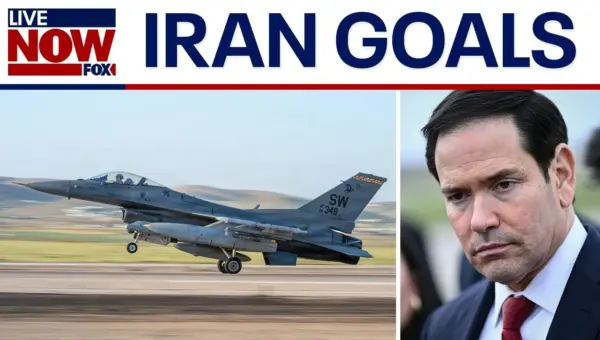
Rubio: US Can Achieve Iran War Goals Without Troops
Senator Marco Rubio outlined a strategy to counter Iran without deploying U.S. ground troops, focusing on weakening the regime and enhancing maritime security. He also criticized Cuba's economic system and expressed concerns about West Bank violence.
Trump’s “Walk Away” Tactic Signals Tougher Stance on China
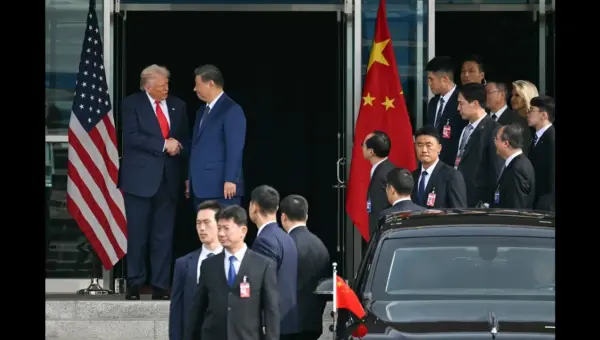
Retired Air Force Brigadier General David Stillwell believes President Trump's strategy of being willing to walk away from negotiations puts pressure on China. This tactic, combined with US global actions and strengthened alliances, signals a more assertive American foreign policy.

Trump’s War Talk Stuns Financial Crowd
Donald Trump's recent speech in Miami focused on his foreign policy, particularly his critical views on NATO and his vision for international relations. He declared the U.S. would no longer defend NATO allies, questioned the value of existing alliances, and suggested renaming the Strait of Hormuz. The speech also touched on his personal views of success, his allies, and his perceived role as a global peacemaker.