Ukraine’s Drone War Hits Home: Moscow Feels Impact
Ukraine's advanced drone warfare is increasingly impacting Russia, with attacks hitting Moscow and degrading Russian military capabilities. While official narratives claim advances, ordinary Russians face disruptions to daily life, fueling complaints driven by personal inconvenience rather than moral opposition to the war. This shift undermines Russia's image as a superpower and signals growing weakness on the front lines.

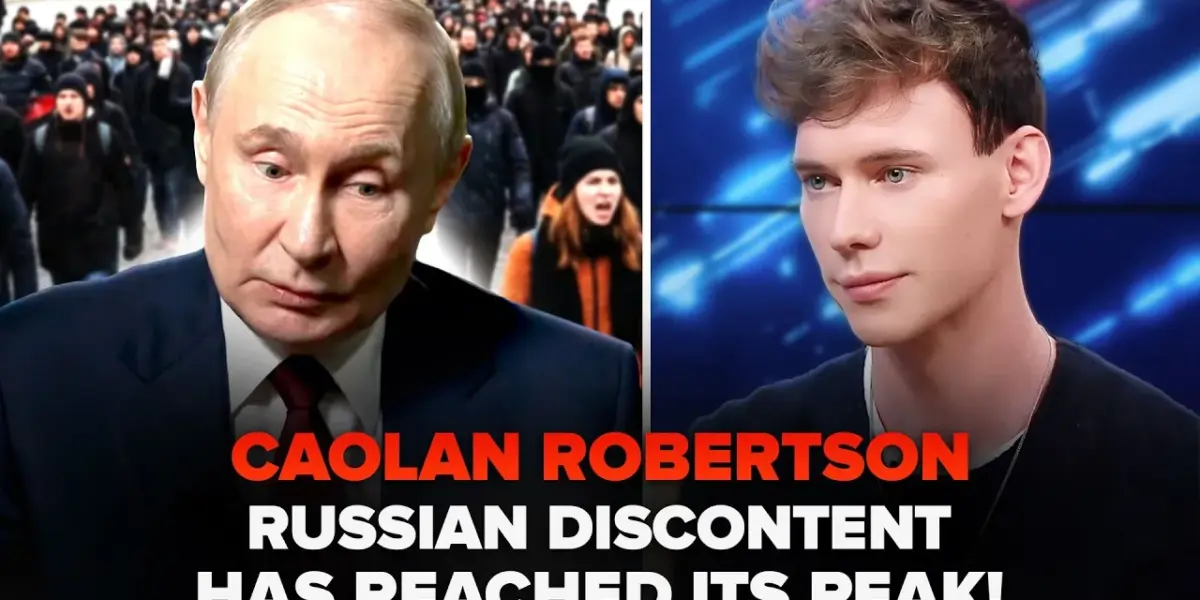
Ukraine’s Drone War Hits Home: Moscow Feels Impact
Recent events show a significant shift in the conflict dynamics, with Ukraine’s advanced drone capabilities increasingly impacting Russian territory and public sentiment. While official Russian narratives claim battlefield advantages, evidence suggests a growing disconnect between the Kremlin’s messaging and the reality on the ground, particularly for ordinary Russians.
Drones Undermine Russian Morale and Logistics
Ukraine has significantly refined its drone techniques, leading to a dramatic increase in successful strikes against Russian military targets. Hundreds of videos emerge weekly showing air defense systems, command centers, and expensive military equipment being destroyed in Crimea and elsewhere. This high frequency of attacks, escalating from weekly to hourly, is severely degrading Russia’s war-fighting capacity. The transcript notes that for the last three months, more Russian soldiers have been lost than can be replaced, a situation described as unprecedented. In the past two months, Ukraine has reclaimed more territory than at any point since 2023.
This increased effectiveness of Ukrainian drones is happening at a time when Russian military communications are reportedly degraded. Services like Starlink and Telegram are said to be down, leaving the Russian army largely operating without clear situational awareness. This lack of communication, combined with the constant drone threat, has led to a significant drop in Russian troop morale. Videos circulating online show Russian soldiers complaining about a lack of supplies, food, and basic equipment like socks and first-aid kits. Some videos even depict soldiers killing their own commanders or expressing despair over a lack of donations from ordinary Russians.
Moscow Experiences Drone Swarms
The conflict is no longer confined to the front lines. Moscow itself has experienced significant drone activity. One recent attack involved a swarm of drones targeting the Moscow suburbs, lasting nearly 24 hours. This was described as one of the longest and largest Ukrainian drone attacks in 2026. The scale of this event led to the closure of all Moscow airports, with flights not just delayed but completely halted. This direct impact on a major civilian center like Moscow forces ordinary Russians to confront the war’s reality, even if they remain unaware of specific front-line movements.
Contrasting Civilian Impacts: Kyiv vs. Moscow
The transcript draws a stark contrast between life in Ukraine’s capital, Kyiv, and Moscow. Four years after Russia’s initial attempt to seize Kyiv, Ukrainian citizens can still access services like Uber, highlighting a functional society. However, the ongoing threat is ever-present. The reporter shared an experience of using Uber Black, a premium taxi service, while still feeling anxious due to air raid sirens and the possibility of drones falling. This illustrates the daily tension faced by Ukrainians, who live with the constant risk of attack even while maintaining a semblance of normalcy.
In contrast, many Russians are complaining not about the invasion of Ukraine, but about personal inconveniences. Their complaints stem from an inability to order pizza, get a taxi, organize meetings, or listen to music. The sales of iPods have reportedly surged, indicating a desire to escape the realities imposed by the war. This self-centered focus, as described in the transcript, suggests that public dissent in Russia is often driven by personal discomfort rather than moral objection to the war itself. This indifference to human suffering is presented as a key characteristic of Russian society.
Strategic Implications: A Weakening Russia
The increased effectiveness of Ukrainian drones and the direct impact on Russian cities like Moscow serve to undermine Putin’s narrative of strength and invincibility. By targeting strategic locations such as oil refineries and military bases, Ukraine aims to cripple Russia’s ability to wage war. This is in stark contrast to Russian attacks, which frequently hit civilian infrastructure, hospitals, and residential buildings. This difference in targeting strategy is presented as a fundamental distinction between defensive and offensive actions.
The transcript suggests that Russia’s retaliatory missile and drone strikes on Ukrainian cities are a sign of weakness, an attempt to lash out when facing setbacks on the front lines. This tactic, compared to a toddler’s tantrum, is seen as a desperate measure by a country that is strategically losing. The article posits that if Ukraine continues to receive necessary financial and military support, its advances, particularly in directions like Zaporizhzhia, could accelerate. The upcoming spring and summer seasons, with firmer ground after the snowmelt, are seen as advantageous for Ukrainian operations. The current situation presents a ‘perfect storm’ for Ukraine, potentially leading to significant gains and further weakening Russia’s position.
Historical Parallels and Geopolitical Context
The situation echoes historical instances where civilian discontent, fueled by personal hardship rather than ideological opposition, has influenced political outcomes. While the transcript doesn’t specify historical parallels, it points to a pattern where prolonged conflict and its tangible effects on daily life can erode public support for a war, even in authoritarian states. The narrative presented suggests that Russia’s current predicament, marked by internal complaints about basic services and external military setbacks, could mirror situations where overextended military campaigns eventually lead to internal pressure on leadership.
The geopolitical impact lies in challenging Russia’s image as a global superpower. By demonstrating vulnerability through drone attacks on Moscow and highlighting the logistical and morale issues within its own forces, Ukraine aims to erode international confidence in Russia’s military might. This, in turn, could encourage greater international support for Ukraine and potentially embolden opposition within Russia itself. The article concludes that a country that indiscriminately bombs civilian targets is fundamentally weak, and this is the image Russia currently projects on the world stage.
Source: 😱Russians are complaining about Putin’s decision. Unexpected event has taken place in Moscow (YouTube)

Related Articles

U.S. Iran Tensions Rise Amid Shifting Alliances
Rising tensions between the U.S. and Iran are creating a volatile geopolitical situation. With conflicting signals on de-escalation and potential shifts in alliances like NATO and U.S.-Israel relations, the path forward remains uncertain. The global economy and regional stability hang in the balance.


Iran Targets US With Cyberattacks, Escalating Digital Warfare
Iran is increasingly using cyberattacks to challenge the U.S., as seen in a recent hack of the FBI director's account. Experts say this is a strategic shift due to Iran's limitations in conventional warfare. The U.S. needs to strengthen its digital defenses, focusing on encryption and cloud computing, rather than solely relying on traditional security measures.
Ukraine Strikes Russian Oil Refinery, Eyes Iran Threat
Ukrainian forces struck a key Russian oil refinery, disrupting Moscow's war capabilities. Meanwhile, Finland's president urged continued U.S. support for Ukraine, as Kyiv shares its air defense expertise globally amid growing geopolitical complexities involving Iran and potential sanctions against Hungary.