Russia Faces Internal Revolt as War Weakens Putin
Ukraine's surprising strength is masked by Russian propaganda and Western media's focus on immediate events. Experts suggest the war's end may come from internal Russian collapse or rebellion, fueled by economic strain and fears of dissent, rather than battlefield outcomes. The conflict is also fundamentally changing warfare with the rise of drone technology.

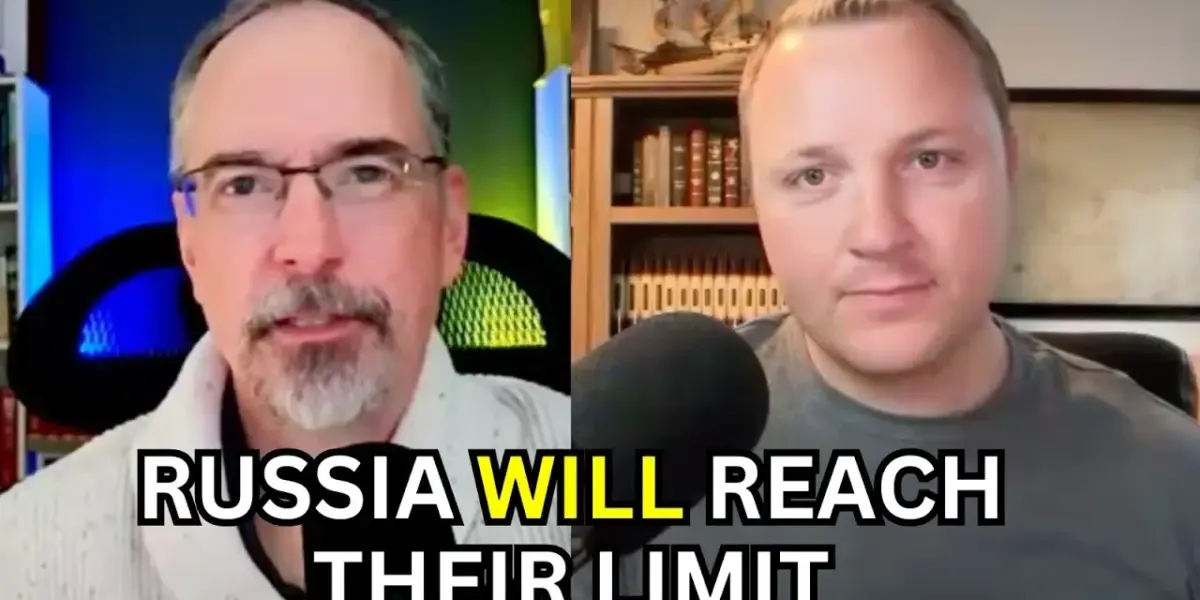
Russia Faces Internal Revolt as War Weakens Putin
The ongoing conflict in Ukraine is not just a battlefield struggle; it’s a slow-burning crisis that is weakening Russia’s grip on power. Experts suggest that President Putin faces a growing threat of internal rebellion, fueled by the war’s economic toll and the regime’s heavy-handed tactics. This internal pressure, rather than battlefield victories, might be the key to ending the war.
Ukraine’s Surprising Strength
Many observers underestimate Ukraine’s resilience. This is partly due to what’s called “immediacy bias,” where people focus on today’s struggles rather than the bigger picture. We hear less about Russia’s difficulties because the Kremlin controls information tightly, preventing firsthand accounts from reaching the outside world. Russian propaganda also plays a big role, creating a false narrative that many haven’t yet corrected.
Despite these challenges, Ukraine has proven stronger than many expected. They’ve managed resources well, even as Russia struggles more overall. A failure for Ukraine would likely come from impatience – giving in to pressure to achieve quick results before conditions are right. While Russia could theoretically mobilize a massive force, Ukraine’s layered defenses and the historical tendency for such late-stage conscriptions to fail make this unlikely to succeed.
The War’s Long Road Ahead
Predicting the war’s end is difficult, but most experts agree it won’t be soon. One expert suggests it could last until 2027, citing historical patterns of similar conflicts. Another compelling idea is that the war will end not on the battlefield, but through an economic collapse in Russia. This collapse could then trigger political upheaval, forcing an end to the fighting.
The war’s strategy for Russia has become a costly siege, a situation military strategist Sun Tzu warned against. Russia’s repeated attempts to take heavily defended cities like Bakhmut or Porkrovsk show a pattern of repeating mistakes. This grinding warfare drains resources and creates internal pressure.
Signs of Internal Unrest
Russia’s economy is strained by the war. While Russia will likely fund its military above all else, this focus comes at the expense of other parts of society. As ordinary Russians feel neglected and oligarchs see their wealth shrink, pressure mounts on Putin. This pressure can come from ordinary citizens, who have historically risen up when conditions become unbearable, or from within the elite.
Putin clearly fears internal dissent. The unexplained deaths of oligarchs and the tight control over information, like internet shutdowns and the blocking of apps like Telegram, are signs of this fear. Such measures are typically taken when a leader worries about a popular uprising. The failed Wagner Group mutiny, though short-lived, showed that Russia is vulnerable to internal challenges, and these vulnerabilities may grow as the war continues.
Western Support: Strategy vs. Principle
For Western leaders, especially in the United States, supporting Ukraine is increasingly seen as a strategic necessity, not just a matter of principle. While some, like former President Trump, have shown a reluctance to criticize Putin, external pressures could force a change. For example, if Russia’s continued support for Iran leads to greater instability, it might compel even Trump to reconsider his stance. However, Trump’s history of changing positions makes his future actions unpredictable.
Europe’s commitment to Ukraine appears more strategic. They are investing heavily in their own defense industries and integrating them with Ukraine’s needs. This suggests Europe sees long-term security benefits in supporting Ukraine. This trend is also emerging in Gulf States, showing that global support for Ukraine extends beyond the United States.
Ukraine Changes Warfare
Ukraine has undeniably changed how wars are fought. The widespread use of drones, while perhaps not matching high-tech systems like Patriot missiles, offers a cheaper, more scalable alternative. In a long war of attrition, a larger volume of less expensive weapons can be more effective than fewer, more advanced ones. This shift mirrors historical changes, like the introduction of machine guns and tanks in World War I, which fundamentally altered military tactics.
The implications of drone warfare are significant, even for major military operations. Traditional approaches to securing areas, like heavily armored convoys, may become dangerously vulnerable. As the conflict evolves, the global military landscape is adapting, with new technologies and strategies coming to the forefront.
Why This Matters
The war in Ukraine is a critical test of international resolve and a stark illustration of how modern conflicts unfold. It highlights the power of propaganda, the resilience of a determined nation, and the internal pressures that can destabilize even powerful autocracies. The conflict’s potential to reshape global alliances and alter the course of warfare makes its outcome profoundly important for international security and the future of democratic values.
Implications and Future Outlook
The war’s duration and eventual end remain uncertain, but the internal dynamics within Russia are becoming increasingly significant. A Russian economic collapse or a successful internal rebellion could be the most likely scenarios for ending the conflict, rather than a decisive military victory. For the West, maintaining support for Ukraine requires a strategic vision that accounts for these internal Russian pressures and the evolving nature of global conflict. The rise of drone warfare and the potential for cheaper, mass-produced weaponry suggest a future where the cost-effectiveness and adaptability of military technology will play a crucial role.
Historical Context
Throughout history, prolonged wars have often led to internal instability for the aggressor. Russia, in particular, has a history of popular discontent boiling over when the state’s policies lead to widespread suffering or military failure. The current situation echoes past events where economic hardship and perceived governmental incompetence have fueled unrest. The Kremlin’s attempts to control information and suppress dissent are not new tactics but reflect a deep-seated fear of the populace, a fear that has historically proven to be well-founded in Russia.
Source: Why Putin Fears a Coming Rebellion – Friday Fireside with Professor Gerdes Explains (YouTube)

Related Articles

Iran Escalates Global Conflict, Threatens World Economy
Yemen's Houthi rebels have officially joined the conflict, launching ballistic missiles at Israel and escalating regional tensions. This move threatens vital shipping lanes like the Red Sea's Bab al-Mandab strait, potentially causing catastrophic economic consequences. Meanwhile, US soldiers have been injured in Iranian missile strikes, adding to the mounting human and financial costs of the escalating war.


Trump’s Iran Claims: Shocked or Deluded by War Games?
Donald Trump claimed surprise over Iran's actions in the Strait of Hormuz, but experts suggest retaliation was inevitable. Military war games likely predicted such a scenario, raising questions about the advice given to the President.

Israel’s Strategy Against Iran Revealed
Israel's strategy to counter Iran's nuclear ambitions and regional influence centers on containment, utilizing a mix of covert military actions, intelligence operations, and diplomatic pressure. Analysts highlight the growing urgency due to Iran's nuclear advancements, while also noting the persistent risk of escalation in the volatile Middle East.