Sanctions Relief for Russia, Iran Sparks Outrage
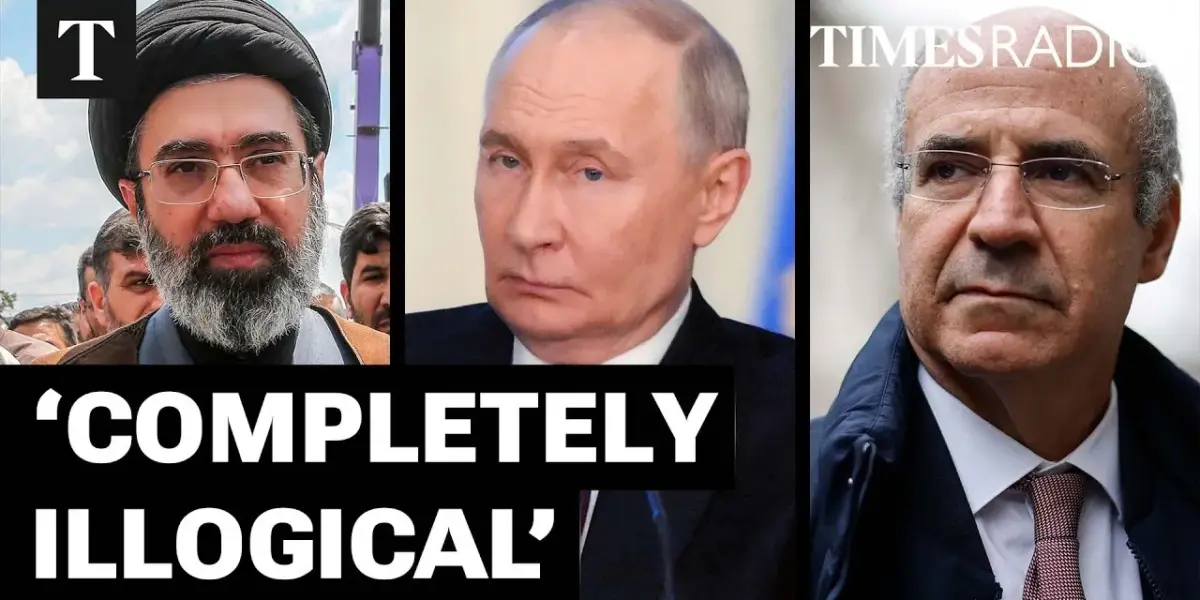
Financial expert Bill Browder strongly criticizes potential U.S. sanctions relief on Russian and Iranian oil, calling the moves illogical and beneficial to "evil regimes." He argues lifting sanctions allows these countries to earn more money, directly contradicting efforts to weaken them.

Sanctions Relief for Russia, Iran Sparks Outrage
In a move that defies logic and potentially fuels hostile regimes, the United States is reportedly considering easing oil sanctions on both Russia and Iran. This potential shift has drawn sharp criticism from financial experts and sanctions architects, who argue the decision makes no financial or geopolitical sense. The move comes as global energy supplies face pressure, but critics say it rewards, rather than punishes, nations considered enemies of the U.S.
No Logic in Easing Sanctions, Says Expert
Bill Browder, a prominent investor in Russia and a key figure behind the Magnitsky sanctions, expressed strong disapproval of the U.S. Treasury Department’s hints at relaxing sanctions on Russian and Iranian oil. Browder stated plainly, “None of this makes any sense. It’s I mean, I’m a financial specialist. I’ve never seen anything that’s so uncensible as this.” He argues that such actions benefit “evil regimes” by allowing them to sell their oil at higher prices, providing them with more funds for military operations and other activities.
“Both of these evil regimes are now getting more money for their oil. Both of these countries, well, at least Iran is an enemy of the United States… But in any event, both are rogue regimes causing trouble all over the world, having launched missiles against neighbors, and we’re giving them some type of sanctions relief. It doesn’t make any sense.”
Russia Already Selling Oil, Just at a Discount
Browder explained that Russia has consistently sold its oil to countries like China, India, and Turkey, even while sanctions were in place. These nations simply purchased the oil at a discount. By lifting sanctions, the U.S. isn’t creating new supply; it’s allowing Russia to charge a higher price for oil it was already selling. This directly contradicts the goal of weakening Russia’s financial capacity to fund its military actions.
Iran’s Oil on the Water: A Temporary Fix?
U.S. Treasury Secretary Scott Bessant suggested that a temporary easing of sanctions on Iranian oil might be considered for barrels already on the water. He estimated this could provide 10 to 14 days of supply, potentially used to keep global prices down during a crisis. However, Browder countered that this doesn’t fundamentally change the situation. Iran can simply sell this oil at a higher price, directly benefiting the regime. He questioned the administration’s financial literacy or suggested that hidden interests might be at play, stating, “There must be something going on behind the scenes. Somebody’s benefiting. I don’t know who. I don’t know how, but it doesn’t, it doesn’t… on the surface, it doesn’t make sense.”
Putin Benefits Greatly from Current Situation
Browder highlighted that Russian President Vladimir Putin is a significant beneficiary of the current global energy crisis. Putin’s primary revenue source is oil sales, which fund his war. Before recent events, Russian oil revenues were reportedly down 50%, and the country faced economic problems. The rise in oil prices and the removal of sanctions-related discounts have provided Putin with a substantial financial boost, estimated at an additional $10 billion. This injection of funds comes at a critical time, relieving financial pressure on the Kremlin.
Geopolitical Isolation vs. Financial Gain
While Putin is gaining financially, Browder noted that he is also losing allies internationally, citing the loss of support from Venezuela and Syria, and the assassination of a figure in Iran. Furthermore, Putin is reportedly living in fear for his own safety, suggesting his position is not entirely secure. Despite these negatives, the financial gains from oil sales appear to be a major positive for the Russian leader.
Sanctions Relief for Belarus Draws Scrutiny
The article also touched upon the U.S. decision to lift several sanctions on Belarus. While this move was partly in exchange for the release of political prisoners, Browder criticized the decision to ease sanctions on Belarusian President Alexander Lukashenko, whom he described as “one of the worst dictators in the world.” He found it shameful to honor Lukashenko by inviting him to Mar-a-Lago, especially when Belarus was once among the most isolated countries, comparable to North Korea. Browder believes this action undermines efforts to contain Putin and support Ukraine.
Looking Ahead
The unfolding situation raises critical questions about the effectiveness and intent behind U.S. sanctions policy. As regimes like Russia and Iran potentially receive financial lifelines through eased oil sanctions, the international community will be watching closely to see the real-world impact. The lack of clear justification for these decisions suggests that further information may be needed to understand the full scope of these policy shifts and their consequences.
Source: Sir Bill Browder: Lifting Oil Sanctions For Russia And Iran ‘Makes No Sense’ (YouTube)

Related Articles


Iran Targets US With Cyberattacks, Escalating Digital Warfare
Iran is increasingly using cyberattacks to challenge the U.S., as seen in a recent hack of the FBI director's account. Experts say this is a strategic shift due to Iran's limitations in conventional warfare. The U.S. needs to strengthen its digital defenses, focusing on encryption and cloud computing, rather than solely relying on traditional security measures.

Iran Hacks FBI Chief, Exposing U.S. Cyber Vulnerabilities
A recent hack of FBI Director Kash Patel's personal email by an Iran-linked group highlights Iran's growing cyber threat to the U.S. Experts explain how simple security oversights are exploited, emphasizing the need for basic defenses like two-factor authentication to protect against propaganda and potential infrastructure attacks.
Ukraine Strikes Russian Oil Refinery, Eyes Iran Threat
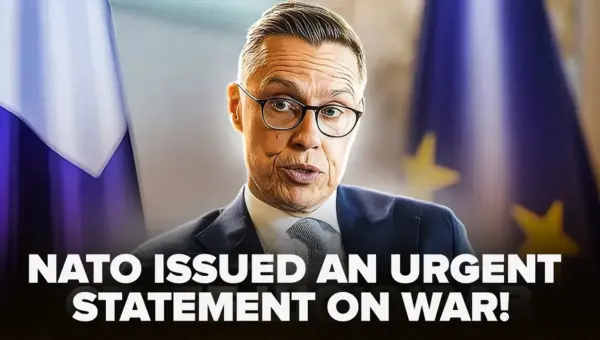
Ukrainian forces struck a key Russian oil refinery, disrupting Moscow's war capabilities. Meanwhile, Finland's president urged continued U.S. support for Ukraine, as Kyiv shares its air defense expertise globally amid growing geopolitical complexities involving Iran and potential sanctions against Hungary.