Putin’s Iran Deal Threatens Global Stability
Russia's alleged offer to stop sharing intelligence with Iran in exchange for the U.S. cutting aid to Ukraine has sparked global concern. The proposal, reportedly made to Trump's envoys, raises fears of geopolitical manipulation and economic instability. Experts warn of soaring oil prices and strained transatlantic relations.

Putin’s Iran Deal Threatens Global Stability
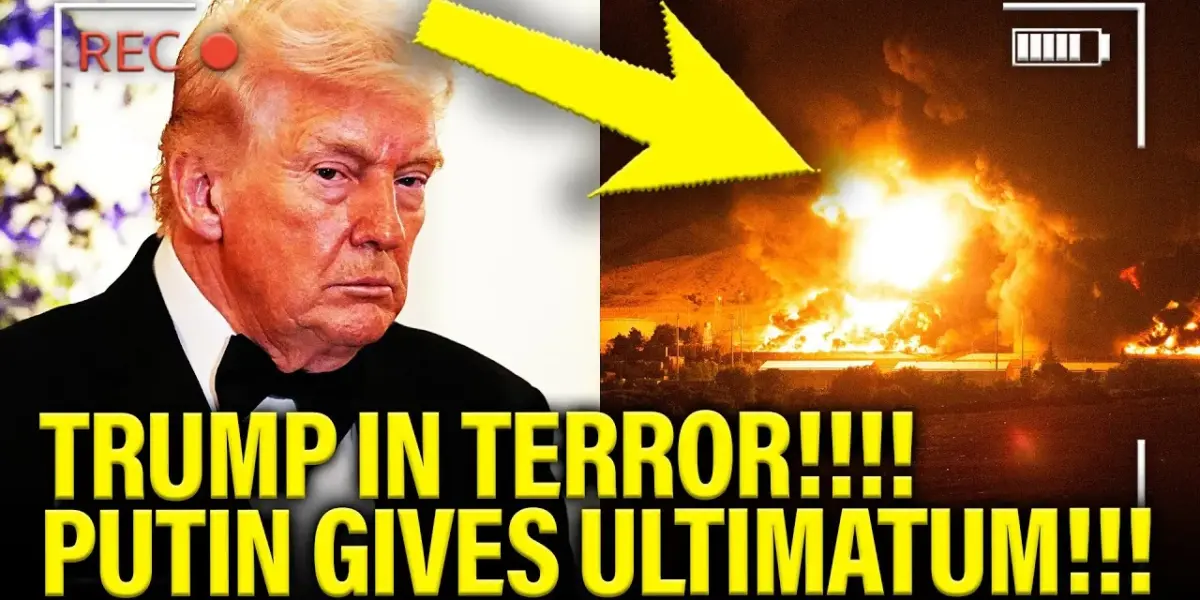
A startling proposal from Russia’s Vladimir Putin has sent shockwaves through international diplomacy, potentially linking support for Ukraine to American safety in the Middle East. This complex situation involves former President Donald Trump and raises serious questions about global security and economic stability.
The Russian Offer
According to reports, Russia offered to stop sharing intelligence with Iran. This intelligence reportedly helps Iran target American soldiers and interests. However, there’s a major catch: Russia wants the United States to cut off support for Ukraine in return. This deal was reportedly presented to Trump’s envoys, Steve Witkoff and Jared Kushner, by Russian envoy Kurel Ditriv. The Kremlin sees this as a quid pro quo, a trade of one thing for another, which aligns with Trump’s past negotiation style.
Trump’s Reaction and Broader Concerns
While Donald Trump has not directly commented on the offer, his public statements about NATO have caused concern. He recently called NATO a “paper tiger” and criticized allies for not doing enough to stop a “nuclear-powered Iran.” This rhetoric comes at a critical time, as European diplomats worry Russia is trying to create a rift between the U.S. and its European allies. They fear Moscow wants to weaken the transatlantic alliance during a period of global tension.
Economic Fallout
The potential for increased conflict and shifting alliances is already impacting financial markets. Investors are betting on higher inflation in the U.S. over the next year, with some predicting a surge above 5%. This could lead to interest rate hikes, making borrowing more expensive for businesses and individuals. Experts warn that oil prices could skyrocket, with predictions of $200 per barrel, as Saudi Arabia forecasts at least $180. This instability is linked to the ongoing conflict in the Middle East and potential disruptions around the Strait of Hormuz, a key oil shipping route.
Military Deployments and Ambiguity
In response to the escalating tensions, the U.S. military is deploying more troops and assets to the Middle East. Reports indicate the Pentagon is sending warships and thousands of additional Marines. While the administration states it does not want “boots on the ground” in Iran, these deployments suggest a readiness for potential action, possibly including a blockade of the Strait of Hormuz. This military buildup occurs as Trump has reportedly begged allies for help while launching actions without their full consultation.
Historical Context and Intelligence Doubts
This situation echoes past instances where U.S. intelligence and Russian assurances have clashed. Just days before this proposal, a Russian official, Witkoff, stated on CNBC that Russia was not sharing intelligence with Iran, urging people to “take him at his word.” However, this new report suggests the opposite was true, leading to questions about the reliability of Russian statements. This alleged intelligence sharing with Iran, if true, would explain Iran’s effectiveness in targeting U.S. drones and assets.
Political Divisions and Domestic Impact
The conflict and its economic consequences are becoming a significant issue in domestic politics. Former Governor Roy Cooper, running for the U.S. Senate in North Carolina, criticized the current administration’s focus on foreign wars. He argued that the $200 billion requested for the Middle East conflict could instead fund affordable healthcare. Cooper highlighted how rising gas prices and other costs are straining American families, many of whom are already struggling with rent, utilities, and childcare. He also pointed out that Trump’s past trade policies and tariffs have harmed American farmers and businesses.
Concerns Over Leadership and Strategy
Critics like Governor Cooper express frustration over a perceived lack of clear planning and coordination with allies. They worry that the administration is “winging it” on matters of war and peace. This “amateur hour” approach, as some have called it, is seen as particularly dangerous given the high stakes. There’s a call for Congress to reclaim its constitutional authority over matters like declaring war and trade policy, ensuring a more balanced system of checks and balances. This would allow for a greater focus on domestic issues and the needs of everyday Americans.
Why This Matters
The intricate web of international relations, military posturing, and economic pressures presented by this situation is critical. Russia’s alleged offer to Iran highlights the complex geopolitical chess game underway, where regional conflicts can have global repercussions. The potential for increased inflation, higher energy prices, and strained international alliances directly impacts the daily lives of citizens worldwide. Furthermore, the debate over military intervention and the role of Congress in foreign policy decisions is fundamental to democratic governance. The way these issues are handled will shape global security and economic stability for years to come.
Implications, Trends, and Future Outlook
This incident underscores a growing trend of geopolitical maneuvering where energy resources and regional conflicts are intertwined. Russia’s tactic of using intelligence sharing as a bargaining chip suggests a sophisticated, albeit risky, strategy to influence U.S. foreign policy. The U.S. response, both militarily and diplomatically, will set a precedent for how such threats are managed. The future outlook involves continued volatility in energy markets, potential shifts in international alliances, and ongoing domestic debates about resource allocation and national security priorities. The effectiveness of U.S. diplomacy in navigating these challenges, particularly in maintaining unity with allies, will be crucial.
Source: Trump PANICS over PUTIN ULTIMATUM in WAR!! (YouTube)

Related Articles

U.S. Iran Tensions Rise Amid Shifting Alliances
Rising tensions between the U.S. and Iran are creating a volatile geopolitical situation. With conflicting signals on de-escalation and potential shifts in alliances like NATO and U.S.-Israel relations, the path forward remains uncertain. The global economy and regional stability hang in the balance.


Iran Targets US With Cyberattacks, Escalating Digital Warfare
Iran is increasingly using cyberattacks to challenge the U.S., as seen in a recent hack of the FBI director's account. Experts say this is a strategic shift due to Iran's limitations in conventional warfare. The U.S. needs to strengthen its digital defenses, focusing on encryption and cloud computing, rather than solely relying on traditional security measures.

Iran Hacks FBI Chief, Exposing U.S. Cyber Vulnerabilities
A recent hack of FBI Director Kash Patel's personal email by an Iran-linked group highlights Iran's growing cyber threat to the U.S. Experts explain how simple security oversights are exploited, emphasizing the need for basic defenses like two-factor authentication to protect against propaganda and potential infrastructure attacks.