UK Energy Bills to Soar Over £300 This Summer Amid War Fears
UK energy bills are forecast to jump by over £300 this summer due to the ongoing conflict in Iran, according to Cornwall Insight. Experts warn of wider economic impacts, including rising food and mortgage costs. Matt Copeland of the National Energy Association urges government action to support vulnerable households and address accumulated energy debt.

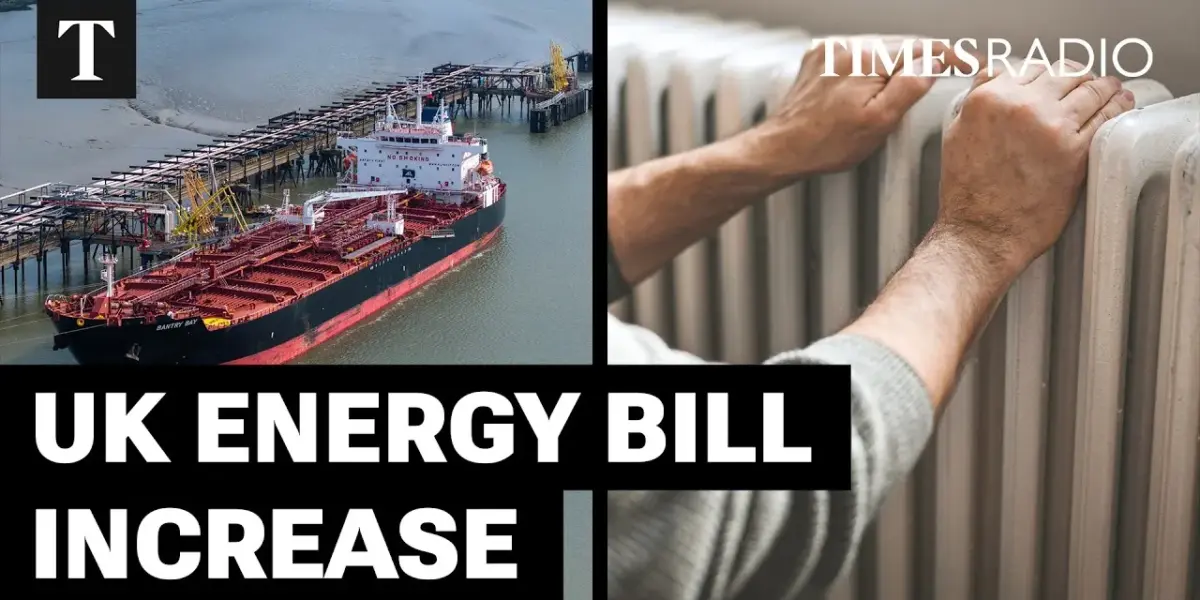
Energy Crisis Looms as UK Faces Significant Bill Hikes
The United Kingdom is bracing for a sharp increase in energy bills this summer, with forecasts predicting a rise of over £300. Energy forecaster Cornwall Insight warns that the ongoing conflict in Iran could significantly disrupt energy supplies, pushing prices to worrying levels not seen since the government last intervened with substantial support measures.
War’s Ripple Effect on Economy and Households
This potential surge in energy costs is not an isolated issue; it sits at the heart of the UK’s economy and daily life. Experts warn that the ripple effects of the conflict could be profound. Rising energy prices often lead to increased inflation, making food more expensive. Higher interest rates could also follow, impacting mortgage costs. Businesses and government borrowing could all feel the strain, highlighting how interconnected economic factors are.
Expert Urges Government Action on Energy Support
Matt Copeland, head of policy at the National Energy Association, expressed serious concern over the projections. “This is a signal of what could happen, what the winter price could be if conflict persists and if the disruption to supply persists for longer,” Copeland stated. He noted that a £300 increase would bring bills to levels that previously prompted government intervention. “The government will need to take action,” he advised.
Key Support Measures Recommended
Copeland outlined several key actions the government should consider. Firstly, targeted support for energy bills is crucial, especially for lower-income households. “People are rationing their energy anyway,” he explained, emphasizing the need to ensure those most vulnerable can afford to heat their homes. Many already live in the cold and need help to stay warm.
Addressing Household Debt and Future Plans
A significant difference from past energy crises is the large amount of household debt accumulated. Many people are still paying off debts from previous periods when they couldn’t afford their bills. This debt adds to current energy costs, with consumers paying an extra £50 a year just to manage this market debt. Copeland suggested the government should consider clearing this debt to ease the burden on individuals and lower overall bills for everyone.
Furthermore, he stressed the importance of prioritizing the most vulnerable households for support through the government’s “Warm Homes Plan.” This plan aims to improve energy efficiency and provide assistance, but its benefits need to reach those most in need quickly.
Consumer Actions Amidst Rising Costs
While many consumers are already doing all they can to save energy, Copeland offered advice for those who might still have room to cut back. “If you are using more energy than you need and there’s places where you can cut, then that would be obviously a good thing,” he said. Simple steps include setting thermostats to an appropriate temperature, around 18°C for most people, and only heating the rooms that are currently in use.
However, he clarified that the immediate price drop expected between April and July, due to the current price cap protections, means the main concern is for later in the year. “The weather is obviously getting warmer. What we’re really all thinking about is when it gets cold again towards the end of the year,” Copeland added.
Winter Outlook Remains Grim if Conflict Continues
If the conflict in Iran continues, the anticipated price increases are likely to persist into the winter months. This outlook is particularly concerning for those living in fuel poverty, who may face the impossible choice of heating their homes or affording other essentials. The prospect of increased hardship for vulnerable groups, including pensioners, is a significant worry.
Looking Ahead: Monitoring the Energy Market
As the situation unfolds, attention will remain focused on the geopolitical developments in Iran and their impact on global energy markets. Consumers and policymakers alike will be closely watching energy price forecasts and the government’s response to potential further bill increases. The effectiveness of support measures and the long-term strategy for energy security will be critical in navigating the challenges ahead.
Source: Iran War Will See Energy Bills In the UK Rise To More Than £300 This Summer (YouTube)

Related Articles


Tiger Woods Arrested for DUI After Crash
Golf legend Tiger Woods was arrested for DUI in Florida following a dramatic rollover crash. Meanwhile, a government shutdown continues as House Republicans block a Senate deal, leading to airport chaos and TSA worker pay issues. The stock market also plummeted into correction territory amid fears of a prolonged Iran conflict.


Trump’s Iran War Plans Criticized Amid Border Funding Standoff
Lawmakers and analysts are criticizing the Trump administration's handling of the Iran conflict and its approach to border funding, arguing that a lack of clear planning and a focus on political battles are making the U.S. less safe. Concerns are particularly high regarding the FBI's priorities and the potential impact of these issues on national security.


Trump Critical of NATO as Iran Conflict Escalates
President Trump voiced frustration with NATO's lack of involvement in the Iran conflict while the U.S. military prepares for a sustained campaign. Reports indicate significant damage to Iran's military, but tensions remain high with ongoing missile strikes and a recent attack on a Saudi air base wounding U.S. personnel.