Trump Claims Iran Has ‘Nuclear Dust,’ Raises War Cost Concerns
President Trump's recent statements reveal a contradiction regarding Iran's nuclear capabilities, claiming they are "obliterated" yet still possess dangerous "nuclear dust." This ambiguity, coupled with escalating costs and concerns over "mission creep," has drawn criticism and questions about the war's objectives and exit strategy. Experts and politicians alike are questioning who will ultimately pay for the conflict and the potential for a prolonged military engagement.

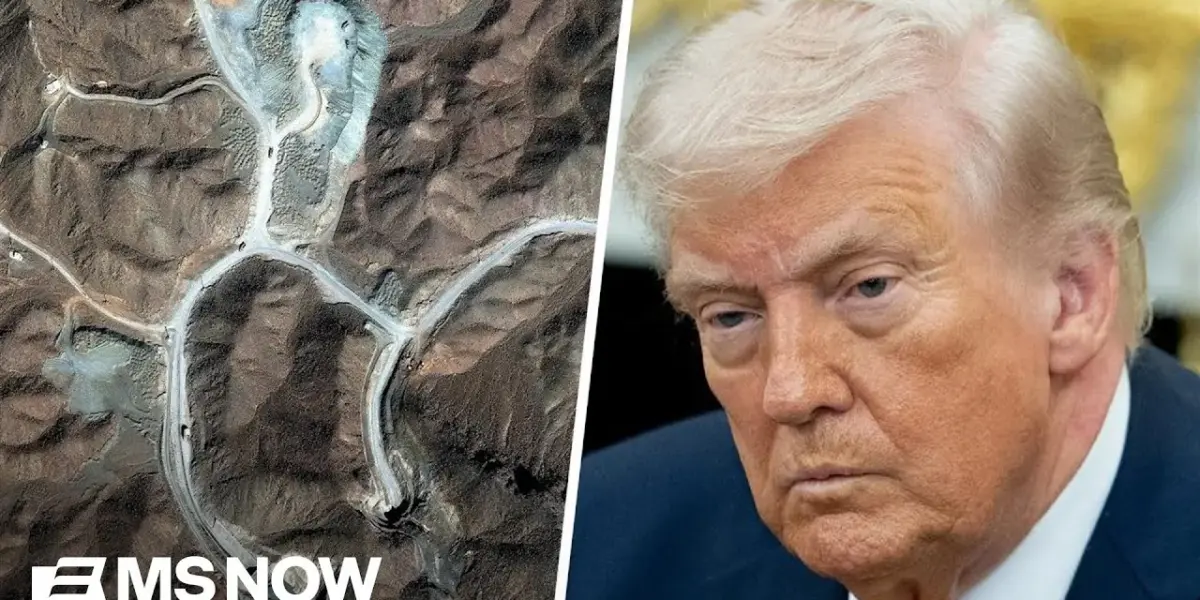
President’s Conflicting Statements on Iran War Goal
President Trump has offered a series of conflicting statements regarding the goals and achievements of the ongoing conflict with Iran. In an interview with Stephanie Ruhle, the President stated that the primary objective is to prevent Iran from obtaining a nuclear weapon. He asserted that Iran’s nuclear capabilities have been “totally obliterated.” However, he also acknowledged the continued existence of what he termed “nuclear dust,” describing it as “buried right now” and dangerous, as Iran could “unbury it with a lot of work.” This “nuclear dust” is believed to refer to enriched uranium stockpiled in tunnels, a key justification used by the administration for launching the war.
Unclear Definition of ‘Success’ in Iran Conflict
The President’s remarks highlight a lack of a firm, clear line on what constitutes success and an end to the war. When asked by reporter Von Hillyard weeks prior whether seizing the buried enriched uranium was necessary to end the war, the President did not provide a direct answer. This pattern of ambiguity, whether in interviews or in response to press questions, leaves the public and policymakers uncertain about the ultimate objectives of the military action.
Escalating Costs and Funding Debates
The financial implications of the Iran conflict are a growing concern. Republicans have already signaled opposition to significant funding, with one suggesting that $200 billion might only be the beginning. For context, the United States has provided approximately $66 billion in security and military aid to Ukraine since the full-scale invasion in 2022. This disparity is viewed with “eye-watering envy” by Ukraine, which sees itself as a victim of invasion with widespread global solidarity.
“The Ukrainians are looking at this with eye-watering envy. I mean, what about us? We’re the victims here.”
Concerns Over ‘Mission Creep’ and Ground Incursions
Experts warn of potential “mission creep,” where the conflict could expand beyond initial expectations. The idea of a ground incursion to retrieve enriched uranium, described as being buried under “thousands of tons of rubble and mountain,” raises fears of committing ground troops. Military experts suggest that such an operation would likely require boots on the ground, a scenario that could lead to prolonged and more expansive military engagement. This mirrors concerns about how Middle East wars have historically become bogged down, draining taxpayer money.
Impact on American Consumers and Economy
The conflict is already affecting American consumers, with gas prices rising. The International Energy Agency has advised people to work from home to conserve fuel. Public opinion polls indicate significant disagreement with the war, with a Reuters Ipsos poll showing 59% of Americans opposing it. Many question the messaging used to garner public support, especially for those who cannot afford to cut back on everyday expenses like trips to Starbucks, or potentially even necessities like medicine and food.
Questions About Funding and Exit Strategy
Key questions remain unanswered regarding the war’s funding and the exit strategy. As former Senator John Tester noted, there is a lack of a clearly explained plan for what will happen, what actions will be taken, and how the U.S. will withdraw. The question of who will pay for the conflict is also contentious. Suggestions that Iran might pay for the war are met with skepticism, drawing parallels to the unfulfilled promise of Mexico paying for a border wall. The realistic outlook is that American taxpayers, or future generations, will bear the cost.
Strain on Military Resources and Ammunition
The sustained military campaign is also straining U.S. resources, particularly ammunition supplies. There are concerns that the current rate of fire, including the use of multiple Patriot missiles to intercept drones, is unsustainable and could deplete munitions needed for other potential conflicts, such as defending Taiwan. Ukrainian specialists observing U.S. operations have expressed disbelief at the high “burn rate,” noting they could not afford such expenditures.
The ‘Mowing the Lawn’ Scenario and Bloodshed
The operational objectives, such as destroying Iran’s ballistic missile program and nuclear capabilities, are clear to the military. However, the long-term strategy and the implications of actions like “mowing the lawn” – a term used by Israelis to describe repeated, cyclical military actions – remain unclear. The President’s declaration of victory, followed by a request for NATO assistance in securing the Strait of Hormuz, suggests a continuation of the conflict. This raises the grim prospect of “mission creep” not only in terms of financial cost but also in terms of American lives lost.
Looking Ahead: A Need for Clarity and Planning
The ongoing conflict with Iran presents a complex web of geopolitical, economic, and military challenges. The lack of clear objectives and a defined exit strategy fuels concerns about prolonged engagement and escalating costs. The financial burden on American taxpayers and the potential for further loss of life underscore the urgent need for transparency and a well-defined plan. Future developments will likely focus on whether the administration can articulate a clearer vision for the conflict’s end and how the substantial financial commitments will be met.
Source: Trump tells MS NOW: Iran still has 'nuclear dust', 'it's totally buried, but they can unbury it' (YouTube)

Related Articles

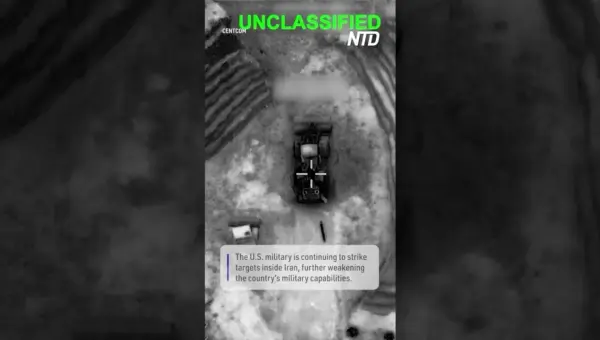
US Strikes Cripple Iran’s Military Might, CENTCOM Reports
U.S. Central Command reports ongoing strikes inside Iran are significantly weakening its military power. This direct action aims to reshape regional security dynamics, but carries risks of escalation. The long-term impact depends on Iran's response and ability to adapt.

U.S. Iran Tensions Rise Amid Shifting Alliances
Rising tensions between the U.S. and Iran are creating a volatile geopolitical situation. With conflicting signals on de-escalation and potential shifts in alliances like NATO and U.S.-Israel relations, the path forward remains uncertain. The global economy and regional stability hang in the balance.


Iran Targets US With Cyberattacks, Escalating Digital Warfare
Iran is increasingly using cyberattacks to challenge the U.S., as seen in a recent hack of the FBI director's account. Experts say this is a strategic shift due to Iran's limitations in conventional warfare. The U.S. needs to strengthen its digital defenses, focusing on encryption and cloud computing, rather than solely relying on traditional security measures.