Russia’s ‘Meat Grinder’: Soldiers Sent to Die as Punishment
A Russian soldier's account reveals that assault units have become a brutal punishment ground, with soldiers facing death for minor offenses. These "stormers" are sent into heavily defended areas with little to no training, leading to extremely high casualties and a disregard for human life. This unsustainable practice has long-term implications for both the military and Russian society.

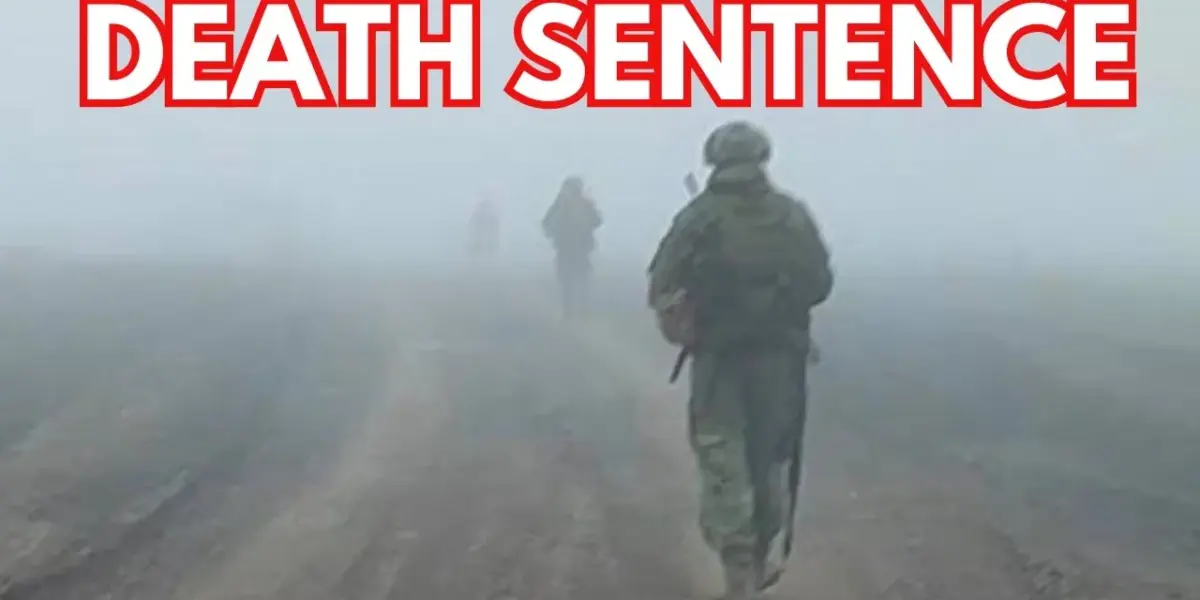
Russia’s ‘Meat Grinder’: Soldiers Sent to Die as Punishment
A chilling account from a Russian soldier reveals a grim reality within the Russian army: the assault units have become a place of punishment, where soldiers face death sentences for minor offenses. This soldier, who signed a contract in 2024, shared his experiences on the Telegram channel “Frontline Officer.” His words paint a stark picture of a military that treats human life as expendable, especially within these front-line assault units, often called “stormers.”
These “stormers” are on the front lines, in what the soldier describes as a “kill zone.” Ukrainian forces are constantly hunting them with drones and artillery, aiming to kill as many Russian soldiers as possible. The “stormers” are the ones who push forward, capturing territory that Russian commanders then report as victories to their political leaders. They face a dangerous journey through minefields, drone attacks, and artillery fire, often covering distances of 5 to 30 kilometers to break through Ukrainian positions.
A Short and Brutal Lifespan
The soldier highlights the incredibly short lifespan of these “stormers.” He states that for some commanders, a Russian soldier’s life is just a cheap bargaining chip. Soldiers can be sent to the “stormers” just a month after signing a contract, only to be lost in action on their very first mission. He mentions a fellow soldier, Nikita the Donsov, a young volunteer from Moscow, who went missing on January 27th near Kian during one of his first missions.
The use of assault units as a form of punishment is becoming more common. The soldier explains that in the absence of normal disciplinary practices, being sent to the “stormers” is the only real punishment. The reasons can be anything: catching a soldier with a smartphone can mean being sent to the “stormers” and being killed within three days. Being caught by military police without proper orders can lead to being sent to the “stormers” and killed within a day. Not extending or signing a contract can have the same result. Even losing a reconnaissance drone can send a soldier to the “stormers,” essentially considered dead.
Why This Matters
This practice reveals a deep disregard for human life within the Russian military. It suggests a command structure that prioritizes perceived discipline and control over the well-being and survival of its soldiers. The psychological impact on those who witness this and on the society that these soldiers eventually return to cannot be overstated. It creates a culture of fear and desperation, which is unsustainable and morally reprehensible.
Lack of Training and Support
A significant issue is that soldiers are often sent into these combat units completely unprepared. There is a “wild expenditure of personnel” because there is no time or opportunity to train them properly. Normally, soldiers receive basic training in the rear, then more specific training closer to the war zone. Finally, they learn tactics specific to their unit once deployed. However, according to this soldier’s account, when new recruits arrive at their forward units, they are immediately sent into assaults without any additional training. Commanders may see it as pointless to train soldiers they believe are going to die anyway.
This contrasts sharply with how professional assault units operate. A seasoned “stormer” would typically require weeks of training and an adaptation period to get used to the dangerous environment. While some assault units in the Russian military are indeed professional and effective, many others are not. In areas like the Pac direction, Russia is reportedly throwing bodies forward without adequate training, leading to extremely high casualties. The soldier feels that citizens who voluntarily serve their country end up as disposable material, with no voice and no recourse if they are unhappy or speak out.
Broader Implications and Future Outlook
This situation is not just about the immediate battlefield; it has long-term consequences. Reports from captured Russian soldiers and investigations by organizations like the “I Want to Live Project” and the United Nations confirm human rights violations within the Russian army. While such practices may not cause a military collapse overnight, they are unsustainable in the long run. Soldiers who survive these brutal conditions will eventually return to Russian society, carrying the trauma and potentially fostering deep resentment.
The high losses in these infantry-heavy assault units may be pushing Russia towards more armored assaults. Recent reports show an increase in attempts to use armored vehicles, though many are still being destroyed. The use of motorcycles as a diversionary tactic, with small groups of infantry, also highlights a desperation for new approaches. Russia cannot sustain its current level of infantry losses without making sufficient territorial gains. With warmer weather approaching, more attempts to break through Ukrainian defenses are expected, likely involving more armored assaults to maintain firepower and exploit any breakthroughs.
The current strategy of sending unprepared soldiers into “kill zones” as punishment or for minor offenses is a stark indicator of a broken system. It represents a profound failure to value human life and a reliance on sheer numbers rather than effective strategy and soldier welfare. This approach, while inflicting heavy casualties on Ukraine, is also taking a devastating toll on Russia’s own fighting force and sowing seeds of future societal problems.
Source: "To the Assault Unit – Dead in 3 Days": Inside Russia's Meat Grinder (YouTube)

Related Articles

Sweden Deports Young People Amid Strict New Immigration Law
Sweden is enforcing a stricter immigration policy, leading to the deportation of young people who have grown up in the country. Despite learning Swedish, building lives, and having family ties, individuals as young as 19 are facing removal, sparking widespread protests and public concern.


Nigeria’s ‘Kito’ Scam Targets LGBTQ+ People with Violence
Nigeria's LGBTQ+ community is facing a surge in violent 'Kito' scams, where victims are lured online, ambushed, beaten, and blackmailed. Rights groups report over 50 cases since December, highlighting the dangerous exploitation of anti-gay laws and societal homophobia. Survivors share harrowing accounts of physical and emotional trauma, living in constant fear.

Ukraine Strikes Russian Oil Refinery, Eyes Iran Threat
Ukrainian forces struck a key Russian oil refinery, disrupting Moscow's war capabilities. Meanwhile, Finland's president urged continued U.S. support for Ukraine, as Kyiv shares its air defense expertise globally amid growing geopolitical complexities involving Iran and potential sanctions against Hungary.