Trump’s China Strategy Puts Beijing in a Bind
President Trump's unpredictable foreign policy is creating significant challenges for China. His administration's tactics, including delayed diplomatic visits, economic pressure over forced labor, and security requests concerning oil routes, are forcing Beijing into difficult strategic decisions. This approach contrasts sharply with previous US administrations and is reshaping global dynamics.

Trump’s China Strategy Puts Beijing in a Bind
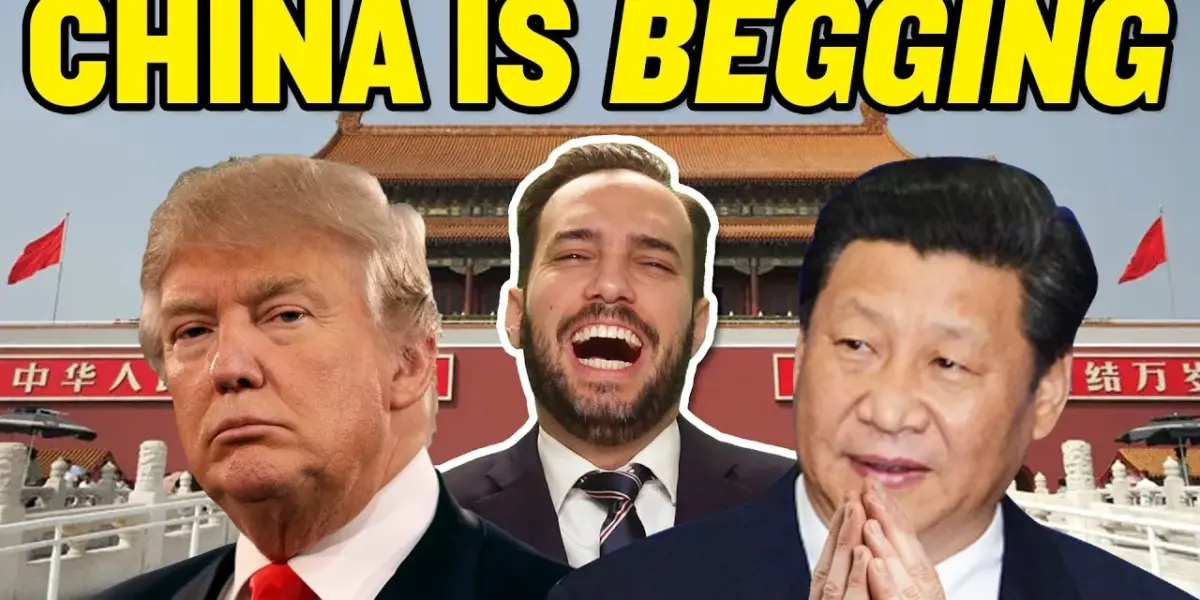
President Donald Trump’s approach to China is creating a complex situation for Chinese leader Xi Jinping. This strategy involves a mix of pressure, unpredictability, and diplomatic challenges that Beijing struggles to navigate. Unlike the Biden administration’s more predictable diplomacy, Trump’s methods have left China guessing about US intentions.
Delayed Trip and Unexpected Guests
Trump’s planned visit to Beijing has faced delays, initially postponed by several weeks. The trip’s scope has also been narrowed, focusing only on Beijing rather than including Shanghai. This change is attributed to a tight schedule and security needs. Adding to the complexity, Secretary of State Marco Rubio is expected to join the delegation. This is significant because China had previously sanctioned Rubio and banned him from entering the country due to his criticism of human rights issues in China, like the treatment of Uyghurs and the crackdown in Hong Kong. Beijing now faces a difficult choice: either refuse entry to Rubio and risk offending Trump, or allow him in and appear to concede, potentially looking weak.
Contrasting Approaches: Trump vs. Biden
The current situation highlights a stark contrast between the Trump and Biden administrations’ foreign policy toward China. The Biden administration aimed for a more traditional diplomatic approach, believing that experienced officials would lead to better engagement. However, this predictability seemed to give China leverage. For instance, during the spy balloon incident, the Biden administration reportedly sought to downplay the event to avoid jeopardizing Secretary of State Antony Blinken’s planned trip to Beijing. In contrast, Trump’s unpredictable style appears to have shifted the advantage. China is now eager to engage with him, and Trump is using the prospect of talks as a bargaining chip.
Economic Pressure and Global Supply Chains
The Trump administration is also applying economic pressure by investigating its allies regarding their involvement with Chinese forced labor. Approximately 60 countries are part of this investigation. The core concern is that some nations might be benefiting from goods produced using forced labor, which gives them an unfair cost advantage. The US Trade Representative stated that American workers and companies have struggled to compete against foreign producers who gain an artificial edge from forced labor practices. This economic argument, framed as protecting American jobs, appears to be a more effective motivator for action than humanitarian concerns alone.
Security Concerns in the Strait of Hormuz
Trump has asked China, along with other nations, to help ensure the safe passage of oil tankers through the Strait of Hormuz. This request places China in a difficult position. China relies heavily on oil imports, and securing these routes is vital for its economy. However, cooperating with the US on this matter could be seen as supporting US actions in Iran and might expose potential limitations in China’s military capabilities to carry out such a mission. Refusing to help could put China’s own oil supply at risk. The request forces Beijing to weigh its economic interests against its geopolitical alignments.
Allegations of Election Interference
US intelligence has revealed evidence suggesting that Chinese officials studied voter registration data from several US states and analyzed the 2020 US elections. This information, obtained from a redacted memo, could potentially include sensitive personal data such as driver’s license and social security numbers. Such data could be used to facilitate future interference in American elections. Similar interference efforts involving Iran and Russia have also been indicated by US intelligence.
South Korea’s Shifting Stance
South Korea appears to be moving closer to China. Its e-arrival cards now list Taiwan as “China Taiwan.” In response, Taiwan has reportedly renamed South Korea to “South Korea” in its immigration systems, a move seen as a subtle form of retaliation. While the impact on the South Korean government’s policies is unclear, this development reflects changing regional dynamics.
Taiwan’s Energy Security Offer Rejected
China has offered Taiwan energy security in exchange for reunification. Taiwan rejected this offer, stating that it has already made arrangements for its energy needs with other countries, including the United States. Taiwan’s rejection comes amid increased Chinese military activity around the island, which may not have helped Beijing’s negotiating position.
UN Funding Crisis
The United Nations is facing a significant funding shortfall, partly due to spending cuts by the US, its largest financial contributor. The UN Secretary-General has highlighted that member states’ non-payment of dues and the need for the UN to repay member states for unspent budget money have created an unsustainable financial situation. Some experts suggest that the US should continue its funding to prevent China from increasing its influence within the UN. However, others argue that since China already holds significant influence, allowing Beijing to bear a larger financial burden might be a strategic advantage for the US.
Espionage in the UK
In the UK, two British men have been accused of spying for China. Chung Bio Yuen, a former Hong Kong police officer, and Turlang Wi, a British border force officer, allegedly helped Hong Kong intelligence agents locate dissidents in the UK. One of the alleged actions involved breaking into a residence, with a bounty of $130,000 offered by the Hong Kong government. Both men deny the charges.
Global Impact
This complex web of actions and reactions demonstrates a shifting global order. Trump’s confrontational and unpredictable diplomacy challenges established norms and forces countries like China to react defensively. The focus on economic competition, particularly concerning forced labor, introduces new dimensions to trade relations. Furthermore, allegations of election interference and espionage highlight the growing digital and political battlegrounds. The strain on international organizations like the UN also points to a potential restructuring of global governance, with rising powers like China seeking greater influence.
Historical Context
The current tensions echo historical patterns of great power competition. The US-China relationship has long been characterized by a mix of economic interdependence and strategic rivalry. Previous administrations have navigated these complexities through established diplomatic channels. However, Trump’s “America First” approach and willingness to disrupt traditional alliances and trade agreements represent a departure from post-World War II international norms. The accusations of election interference also bring to mind historical concerns about foreign meddling in democratic processes.
Economic Leverage
Economic factors are central to these geopolitical maneuvers. Trade dependencies, sanctions, and control over energy routes are key tools of influence. China’s reliance on imported oil, particularly through the Strait of Hormuz, makes it vulnerable to disruptions. The US investigation into forced labor directly targets China’s manufacturing cost advantages, potentially impacting global supply chains. The UN’s financial struggles also illustrate how economic power translates into political influence within international bodies.
Future Scenarios
Several future scenarios are possible. Trump could continue to employ his disruptive tactics, leading to further unpredictability in US-China relations and potentially greater instability in global affairs. Alternatively, a more conventional diplomatic approach might re-emerge, but the groundwork laid by Trump’s policies could still influence future interactions. China may seek to strengthen its alliances and economic partnerships to counter US pressure, possibly leading to a more pronounced division between geopolitical blocs. The outcome will depend on the evolving domestic political landscapes in both the US and China, as well as the reactions of other key global players.
Source: Trump Forces China Into a Lose-Lose Situation (YouTube)

Related Articles


Trump’s Iran Claims: Shocked or Deluded by War Games?
Donald Trump claimed surprise over Iran's actions in the Strait of Hormuz, but experts suggest retaliation was inevitable. Military war games likely predicted such a scenario, raising questions about the advice given to the President.

Israel’s Strategy Against Iran Revealed
Israel's strategy to counter Iran's nuclear ambitions and regional influence centers on containment, utilizing a mix of covert military actions, intelligence operations, and diplomatic pressure. Analysts highlight the growing urgency due to Iran's nuclear advancements, while also noting the persistent risk of escalation in the volatile Middle East.


Israel Eyes Lebanon Buffer Zone: A Political Ploy?
Israel's military operations in southern Lebanon aim to create a buffer zone and pressure Hezbollah, according to expert Yazid Sayigh. He argues the strategy is more political than military, echoing historical tactics. The ongoing conflict could destabilize Lebanon further, while Hezbollah fights for survival.