US Eyes Strait Control Amid Iran War
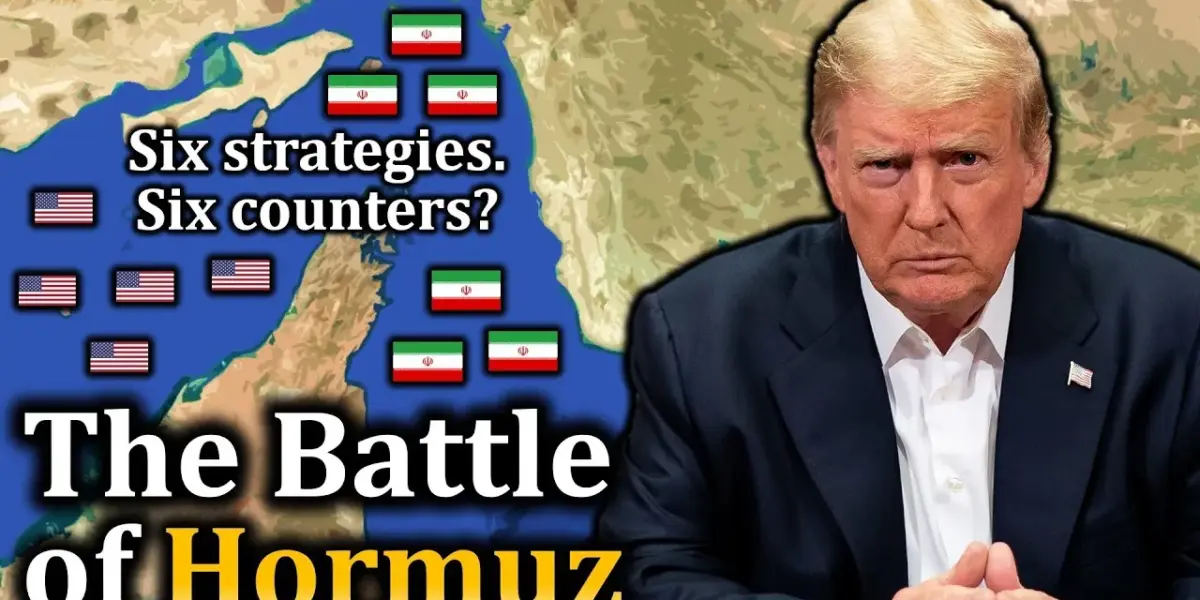
The U.S. is preparing to secure the Strait of Hormuz amid the Iran War, a crucial waterway for global oil. Iran's potential tactics include missiles, drones, speedboats, and mines. The U.S. aims to counter these with advanced naval power and air support.

US Eyes Strait Control Amid Iran War
The United States is preparing for a critical campaign in the ongoing Iran War: securing control of the Strait of Hormuz. This vital waterway accounts for roughly 20% of the world’s oil supply. Controlling it is key to maintaining stable oil prices and supporting the Trump administration’s strategy to avoid a swift end to the conflict. The measure of success will be convincing commercial tankers that transiting the Strait is safe enough to justify the high cost of oil. Iran, however, has several methods it may use to disrupt shipping and keep the Strait closed.
Iran’s Potential Tactics
Iran’s potential tactics include using missiles, various types of drones (Shahed, quadcopter, and naval), speedboats, and naval mines. The United States is developing countermeasures for each of these threats. The fundamental question is whether ships will risk the journey. Evidence suggests they will, provided they believe it is sufficiently safe. Even now, a small number of tankers and cargo ships are transiting the Strait daily, a significant drop from the normal rate of about 50 tankers and 45 cargo ships per day. These ships likely have some form of Iranian approval, but the risk of accidental strikes remains. The high potential profits mean captains will take calculated risks if safety can be assured. For the rest, a clear plan from the U.S. military is needed. While insurance costs have increased, the White House is prepared to offer financial backing. The real solution lies with military action.
Historical Precedents and Modern Challenges
Historically, during the Iran-Iraq War, the U.S. provided escorts for ships, ensuring oil continued to flow. Two main challenges face the U.S. today. First, there’s a need for sufficient escort vessels, which involves both U.S. mobilization and securing international partners. Second, the U.S. must inflict enough damage on Iranian capabilities to make operations safe for both escorts and commercial traffic. Unlike the 1980s, Iran’s military technology has evolved significantly. Adding to the challenge, the U.S. aircraft carrier USS Gerald R. Ford has returned to base for repairs after an extended deployment, impacting the U.S. naval presence in the region. The next carrier, the George H.W. Bush, is ready but its deployment schedule is uncertain, potentially slowing the U.S. response.
Missile Threats
Direct missile attacks on vessels are a significant concern. However, Iran faces challenges. The U.S. has prioritized degrading Iran’s missile launchers, leading to a sharp decrease in daily launches since the war began. While Iran may hold some missiles in reserve, its capacity appears limited. The strike on Iran’s South Pars gas field, a major economic asset, prompted a retaliatory launch of about thirty missiles, but this was not sustained. The U.S. has also recently focused on striking anti-ship missile sites, which Iran has not yet fully employed. A key issue for Iran is that missile launches are easily detected by radar. Iran’s use of mobile launchers on trucks, similar to the U.S. HIMARS system, offers some evasion, but it is less effective against constant U.S. aerial patrols that can respond quickly.
Drone Warfare
Shahed drones are another potential threat. Arguments that the U.S. is at a disadvantage due to the cost difference between Patriot missiles and Shahed drones are flawed. The U.S. has a significant financial advantage, and more importantly, the U.S. does not rely solely on Patriot missiles for interception. Shaheds are slow and relatively simple, making them vulnerable to fighter jets like the F-35. The U.S. also possesses other cost-effective options for drone interception. Furthermore, Shaheds’ GPS targeting is not highly accurate, especially against moving ships. Jamming and the difficulty of predicting a ship’s position 12 minutes in the future further complicate their use at sea. While AI terrain navigation could help, it is less effective over water. Overall, Shahed drones pose a low concern for maritime transit.
Quadcopter drones, while capable of causing some damage, are also unlikely to succeed against U.S. escorts. The U.S. Navy’s ability to convoy ships in the Gulf and use jamming technology should effectively neutralize these smaller drones. While innovation is ongoing, they are not expected to replicate the impact seen on land-based battlefields.
Speedboats and Mines
The threat from speedboats, exemplified by the 2000 attack on the USS Cole, is mitigated by updated U.S. rules of engagement. Any speedboat approaching a convoy in a combat zone would be treated as an enemy. Modern naval guns and aircraft like the A-10 Warthog are equipped to counter swarms of speedboats. Therefore, speedboats are considered a low-level threat.
Naval drones, both on and under the water, present different challenges. Surface drones swarming could still be intercepted, though some might break through. Undersea drones are a greater concern, especially given claims that Iran’s traditional submarine fleet has been destroyed. Effective sonar and higher interceptor costs are key factors in countering this threat. However, developing advanced undersea drone technology takes time, and Iran’s capacity in this area remains unclear.
Naval mines pose a significant delay risk. Iran could lay minefields to disrupt shipping. The U.S. has let its mine-clearing capabilities decline since the Cold War. Clearing mines would require deploying demining assets and destroying Iran’s minelayers, a process that could be lengthy. While mines may not directly endanger ships within a convoy once cleared, they could indefinitely postpone the resumption of normal traffic through the Strait of Hormuz.
Strategic Implications
The battle for the Strait of Hormuz is a complex interplay of military capability, economic necessity, and political will. Iran’s multi-pronged approach to denying access highlights its asymmetric warfare doctrine, aiming to inflict costs on a superior adversary through unconventional means. The U.S. strategy relies on overwhelming firepower, advanced technology, and coordinated naval operations to ensure freedom of navigation. The effectiveness of U.S. countermeasures, particularly against evolving drone and undersea threats, will be critical. The potential for delays caused by mines underscores the importance of specialized naval capabilities that may have been neglected. Ultimately, the ability of the U.S. to guarantee safe passage will determine the flow of global oil and influence the broader economic stability dependent on this crucial chokepoint.
Source: Trump Wants to Control the Strait of Hormuz. Can He? (YouTube)

Related Articles

G7 Allies Clash Over Iran War Strategy, Urge Focus on Russia
G7 foreign ministers met in Paris, revealing deep divisions over the U.S. war with Iran. European allies urged the U.S. to pressure Russia, linking its actions to the conflict and fearing support for Ukraine will wane.

Iran Blocks China Ships, Exposing Beijing’s Weak Grip
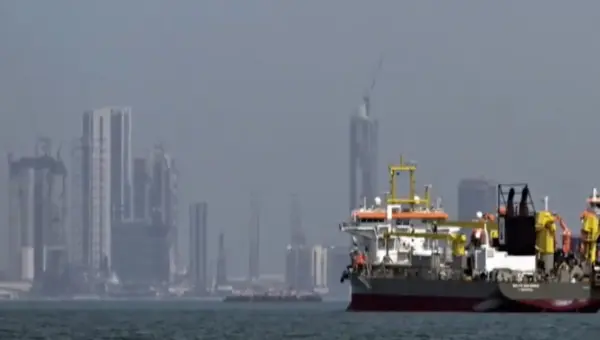
Iran's recent decision to block Chinese ships at the Strait of Hormuz is exposing the limits of Beijing's influence in the Middle East. This action is causing delays and cancellations for Chinese manufacturers, turning a perceived geopolitical win into an economic strain.
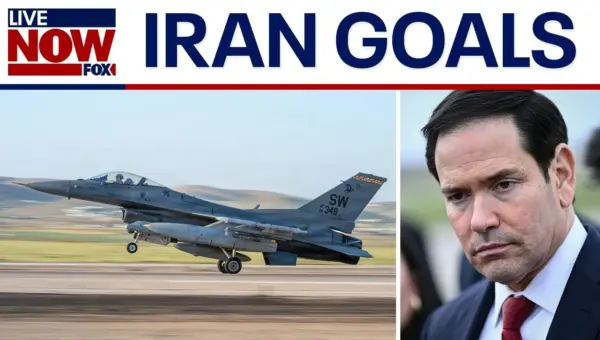
Rubio: US Can Achieve Iran War Goals Without Troops
Senator Marco Rubio outlined a strategy to counter Iran without deploying U.S. ground troops, focusing on weakening the regime and enhancing maritime security. He also criticized Cuba's economic system and expressed concerns about West Bank violence.