Museums Face Visitor Slump, Debate Over Charging Entry Heats Up
UK museums are experiencing a decline in visitors, sparking a debate on whether to introduce entry fees. While the Natural History Museum thrives, other institutions face financial pressure. The discussion also covers Donald Trump's controversial Pearl Harbor joke and the need for tech firms to combat phone theft.

UK Museums Grapple with Declining Visitors, Funding Debate Intensifies
Britain’s cherished museums are facing a significant drop in visitor numbers, sparking a heated debate about the future of free entry. Institutions like the British Museum and Tate Modern are seeing fewer visitors, according to recent figures. This trend has prompted calls for museums to begin charging admission fees to ensure their financial stability.
Natural History Museum Defies Trend, Becomes Top UK Attraction
Amidst the general decline, the Natural History Museum has emerged as a surprising success story. It has become the UK’s most visited museum for the first time, with admissions soaring by 13%. This achievement highlights a potential path forward for other institutions struggling to attract crowds.
Should Museums Charge? Experts Divided on Funding Models
Richard Morrison, chief culture writer for The Times, argues that museums should introduce charges to avoid financial collapse. He points to Athens, where visitors pay around €20 per museum, a price point that, while potentially prohibitive for some, highlights a different funding model. Tracy, a listener, shared her experience in Athens, noting the high cost but also her willingness to pay for the cultural experience. She expressed concern that free entry in the UK is a valued benefit that might be lost.
Ed Miliband, reflecting on his time as culture minister, recalled that free museum entry was a sensitive issue. He stated that introducing charges would have alienated the arts community and hindered his other initiatives. “I stuck with free museums even though I have quite a balanced view about whether museums should charge or not,” he said.
Alice Dembi, while acknowledging the appeal of free access, expressed reservations about taxpayers funding elite pursuits. However, she believes that national collections belong to the British people and should remain accessible. Dembi suggested a greater reliance on philanthropy, citing Los Angeles where wealthy donors are prominently recognized. “I think if we had a culture that celebrated wealth and appreciated that people who have gotten rich are not extractive, that they can give something back to society, that it’s a good thing, then we would have much more philanthropy,” she explained.
Philanthropy Gap and the Case for Small Charges
Philip Webster noted that Britons are generally more charitable than philanthropic, with much of the funding for national museums coming from wealthy individuals, often from overseas. He highlighted the significant difference in fundraising potential between national and regional museums, suggesting that charging might be a necessary solution for the latter.
Webster also shared his experience visiting museums in Perth and Fremantle, Australia, where small charges were in place and did not seem to deter visitors. He proposed a modest fee, perhaps £5 or £7.50, for entry, arguing that visitors receive value and are willing to pay. “People when they turn up, they’re getting something from the visit and I don’t think they mind paying,” Webster commented.
Charging Tourists vs. Free Access for Locals
The idea of charging foreign tourists while keeping entry free for locals was also discussed. Webster suggested this could be offset by measures like reintroducing tax-free shopping for tourists. However, he cautioned against the potential loss of spontaneity and accessibility that free entry provides. “One of the great joys in life is just popping into the National Gallery just having a look at one painting. If you start charging, then it makes the whole experience of the museum more of a chore, less like it’s just something that belongs to you,” he stated.
Donald Trump’s Controversial Pearl Harbor Joke Sparks Outrage
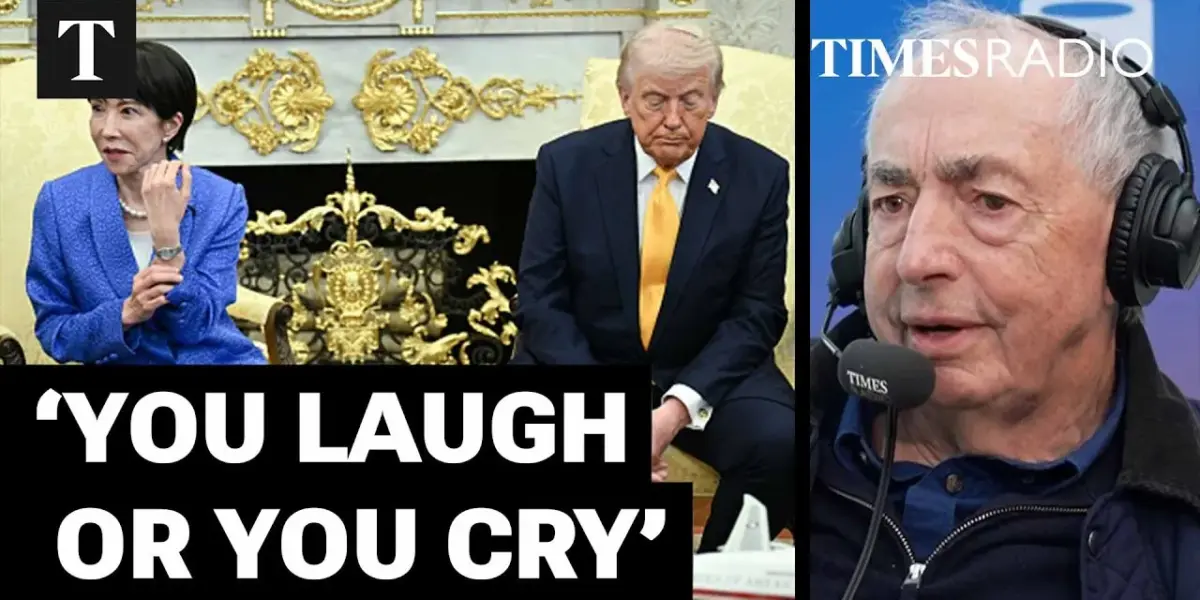
The discussion then shifted to a controversial joke made by Donald Trump during a meeting with the Japanese Prime Minister. When asked why the U.S. hadn’t shared its Iran war plans in advance, Trump referenced the attack on Pearl Harbor, asking, “Who knows better about surprise than Japan? Okay. Why didn’t you tell me about Pearl Harbor?”
The remark drew varied reactions. One individual initially found it hilarious, despite not being a Trump supporter, while another laughed at the sheer “crassness” of the statement, believing it wasn’t intended as a joke. This reaction was described as laughing “when you almost cry,” highlighting disbelief at the comment.
Philip Webster found the joke crass, especially given the historical context and the ongoing efforts to repair U.S.-Japan relations post-World War II. “Throwing that at the Prime Minister of Japan did seem to me crass. I didn’t laugh because I thought it was funny. I laughed because I thought it was awful,” he said.
Alice Dembi acknowledged Trump’s humor but characterized it as a form of intimidation rather than camaraderie. “He doesn’t make jokes from a place of building camaraderie or ingratiating himself with people. He does it as a form of intimidation, and that’s ultimately why you can sort of laugh, but actually ultimately it’s not funny,” she explained.
Tech Firms Urged to Combat Phone Theft Epidemic
The conversation also touched upon the rising issue of phone theft. The head of the Metropolitan Police, Mark Rowley, is meeting with tech companies like Apple to push for better prevention measures. With hundreds of thousands of phone thefts occurring annually, there is pressure on tech firms to develop solutions.
Rowley has set a deadline of June 1st for companies to propose effective measures. Ideas such as a remote “kill switch” that could disable a stolen phone are being considered. The urgency stems from the epidemic nature of mobile phone theft, which is often linked to organized crime.
However, some argue that the focus should also be on improving police efforts to tackle organized crime rings responsible for these thefts, rather than solely relying on technology companies to solve the problem.
Looking Ahead: The Future of Museum Funding and Tech Responsibility
As visitor numbers continue to fluctuate, the debate over museum funding is set to intensify. The success of the Natural History Museum offers a potential model, but the broader question of whether to charge for entry remains a significant challenge. Simultaneously, the pressure on tech companies to address issues like phone theft will likely grow, with potential legislative action looming if meaningful solutions are not found.
Source: Trump’s ‘Crass’ Pearl Harbour Joke Shows A Lack Of Historical Knowledge | Philip Webster (YouTube)

Related Articles

Polls Spell Doom: Republicans Face Voter Backlash
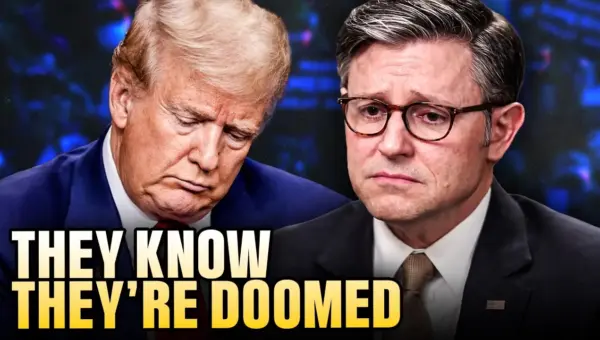
New polling data reveals a sharp decline in public confidence regarding the economic impact of Republican policies, particularly under Donald Trump. A significant majority now feel financially worse off, a trend that is especially pronounced among independent voters. This economic discontent poses a major challenge for the Republican party heading into future elections.


Trump Delays Iran Strike Deadline Amidst Shifting Diplomacy
President Donald Trump has extended his deadline for potential strikes on Iranian energy plants to April 6th, amid reports of U.S.-Iran diplomatic talks mediated by Pakistan. This move comes as Israel continues its strikes on Iran and the U.S. deploys additional military assets to the region. Analysts point to mixed signals, economic pressures, and strategic miscalculations as key factors shaping the evolving situation.

Iran War Claims Ring Hollow as US Troops Injured in New Attack
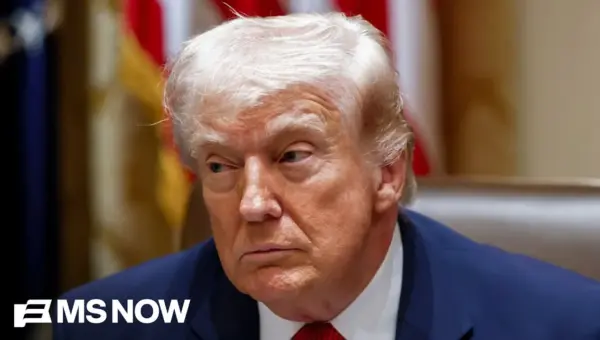
Days after Donald Trump claimed "we've won" the war with Iran, a new attack injured approximately a dozen U.S. troops and damaged aircraft. This incident contradicts Trump's assertions of victory and raises serious questions about the strategy and reality of the ongoing conflict.