Lawmaker Warns of Chinese Drone Threat to US
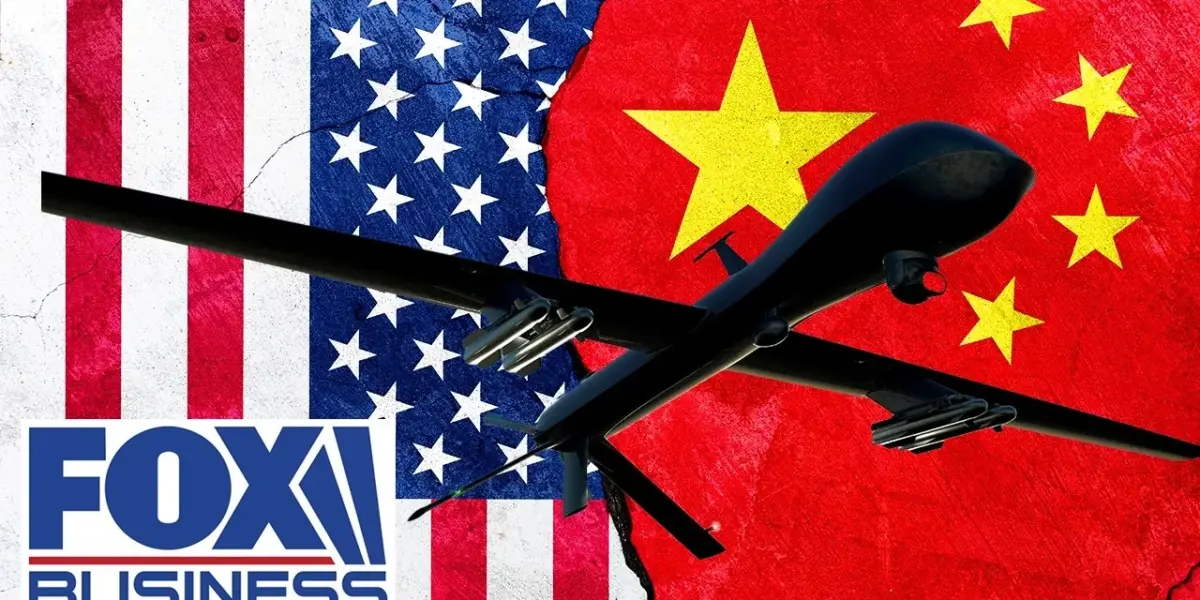
A U.S. Senator has raised serious alarms about the threat posed by Chinese-made drones, urging domestic production and mitigation strategies. This comes as Congress considers a $200 billion defense funding package amidst broader national security concerns.

Congress Eyes $200 Billion Funding Boost Amidst Growing National Security Concerns
The U.S. Pentagon is preparing to request up to $200 billion in a supplemental funding package from lawmakers. This significant sum aims to cover the costs of ongoing operations and replenish military stockpiles. Initial discussions for this funding began at $50 billion, but the figure has since escalated significantly.
This funding request comes as the conflict enters its third week. U.S. efforts are also underway to secure critical waterways with the backing of multiple European allies and Japan. This plan is designed to ensure safe passage through vital shipping lanes.
Senator Lanford Highlights Drone Threat and Need for Domestic Manufacturing
Senator James Lankford, a member of the Homeland Security and Select Intelligence Committees, shared his perspective on the proposed funding. He emphasized the need to review the details of the $200 billion request. While much of the supplemental funding is for restocking existing supplies, a crucial portion is expected to address gaps in national security capabilities.
Senator Lankford specifically pointed to a lack of adequate defenses against drone attacks within the continental United States. He also noted the need for enhanced drone protection around U.S. bases in the Middle East. The Senator expressed doubt that the entire $200 billion would be solely for current operations, suggesting it would also fund future planning, particularly for drone defense.
DJI Drones Pose a ‘Real Threat’ to U.S. Data Security
A significant concern raised is the widespread use of drones made by DJI, a Chinese company, by U.S. law enforcement and other entities. Senator Lankford described DJI as a “real threat,” explaining that these drones collect vast amounts of data. There is a serious risk that this data could be sent back to China, providing insights into U.S. operations and infrastructure.
The Senator also highlighted the potential for these drones to be remotely disabled. “We have no idea what data it has back to China,” he stated. “We have no idea how we operate. They could have a kill switch. Suddenly, the moment we need it, they could turn it off.” This underscores the critical need for the U.S. to develop its own drone manufacturing capabilities, free from reliance on Chinese parts and potential vulnerabilities.
The Need for Drone Mitigation and Domestic Production
Beyond manufacturing, Senator Lankford stressed the importance of developing drone mitigation strategies. This means having the ability to neutralize drone threats, whether they appear at a large public gathering like a college football game or are launched from an enemy vessel off the U.S. coast. The ability to negate these airborne threats is paramount for national security.
When asked if China can see what the U.S. sees through these drones, the Senator responded, “It is very likely they do, if not, they have the capabilities.” He likened the situation to having “100,000 extra satellites over our nation,” emphasizing the extensive surveillance potential. This has led to calls for the U.S. to exit the business of using Chinese-made drones.
Broader Geopolitical and Financial Concerns
The discussion also touched upon other national security and legislative matters. House Minority Leader Hakeem Jeffries warned that Democrats would not support extending surveillance powers without reforms. This relates to the FISA (Foreign Intelligence Surveillance Act) Section 702 provisions, set to expire on April 20th.
Meanwhile, Republican efforts are underway to pass the SAVE Act, which aims to require proof of U.S. citizenship for voting. Senator Lankford expressed support for combining legislative efforts, stating, “We need to get both things done whether crammed together or not.” He believes that requiring identification to vote is a straightforward and necessary measure to ensure only U.S. citizens participate in elections.
Restricting Chinese Companies in U.S. Capital Markets
Pressure is also mounting on SEC Chairman Gary Gensler to restrict Chinese companies from accessing U.S. capital markets. Some lawmakers are concerned that American investors are inadvertently funding China’s military and strategic interests. Senator Lankford voiced his support for taking Chinese companies off U.S. stock exchanges.
He explained that some Chinese companies use special vehicles to access U.S. markets, often leading investors to believe they have standard market protections. However, these protections may not exist. “It is very important to be able to make sure people buying in our American markets know they have typical normal American market protections,” he said. The goal is to prevent U.S. investments from directly or indirectly funding the People’s Republic of China’s military.
Open Borders and Homeland Security Funding
Finally, the conversation addressed concerns about homeland security and the Department of Homeland Security’s (DHS) funding. Senator Lankford reiterated the importance of keeping the DHS operational, especially regarding border security and preventing weapons from falling into the wrong hands. He expressed alarm over the number of people crossing the border without proper vetting.
“We have no idea who they are,” the Senator stated, emphasizing the critical need for adequate funding to maintain border control and national security. The lack of clarity on who is entering the country poses significant risks.
“We do not have near enough capability to be able to take on drone attacks here in the continental United States.”
“DJI is a real threat, as a Chinese drone maker using a lot of our local law enforcement… We have no idea what data it has back to China.”
Market Impact
The proposed $200 billion supplemental funding package highlights increased defense spending, which could benefit aerospace and defense contractors. Concerns over Chinese drone technology and data security may accelerate investment in domestic drone manufacturing and cybersecurity firms. The debate around restricting Chinese companies from U.S. exchanges could impact specific stocks and broader market sentiment towards U.S.-China relations.
What Investors Should Know
Investors should monitor developments in defense spending and national security legislation. The push for domestic drone production and mitigation technologies presents opportunities in related sectors. Additionally, geopolitical tensions and regulatory actions affecting Chinese companies trading in the U.S. are key factors to watch. Understanding these dynamics is crucial for navigating the current market environment.
Source: 'REAL THREAT': Lawmaker raises SERIOUS alarm on Chinese drone threat (YouTube)

Related Articles


House Funds DHS Short-Term, Senate Stalemate Looms
The House has passed a short-term bill to fund the Department of Homeland Security, but the Senate is expected to reject it. This temporary measure highlights ongoing political divisions and the challenges in reaching long-term budget agreements in the U.S. Congress.


Iran Hacks FBI Chief, Exposing U.S. Cyber Vulnerabilities
A recent hack of FBI Director Kash Patel's personal email by an Iran-linked group highlights Iran's growing cyber threat to the U.S. Experts explain how simple security oversights are exploited, emphasizing the need for basic defenses like two-factor authentication to protect against propaganda and potential infrastructure attacks.


DHS Funding Crisis Sparks Chaos, Congressman Blames Poor Communication
Congressman Darrell Issa blames "failure to communicate" for the DHS funding crisis leading to unpaid TSA agents and airport chaos. The House is preparing a short-term bill as security concerns rise.