Congressman Fry on Iran War Funds and DHS Shutdown
Representative Russell Fry discusses the Pentagon's request for $200 billion for Iran war operations and the ongoing DHS funding stalemate. He criticizes Democrats for holding TSA workers hostage over the funding dispute, calling for a return to negotiated agreements and separate immigration reform debates.

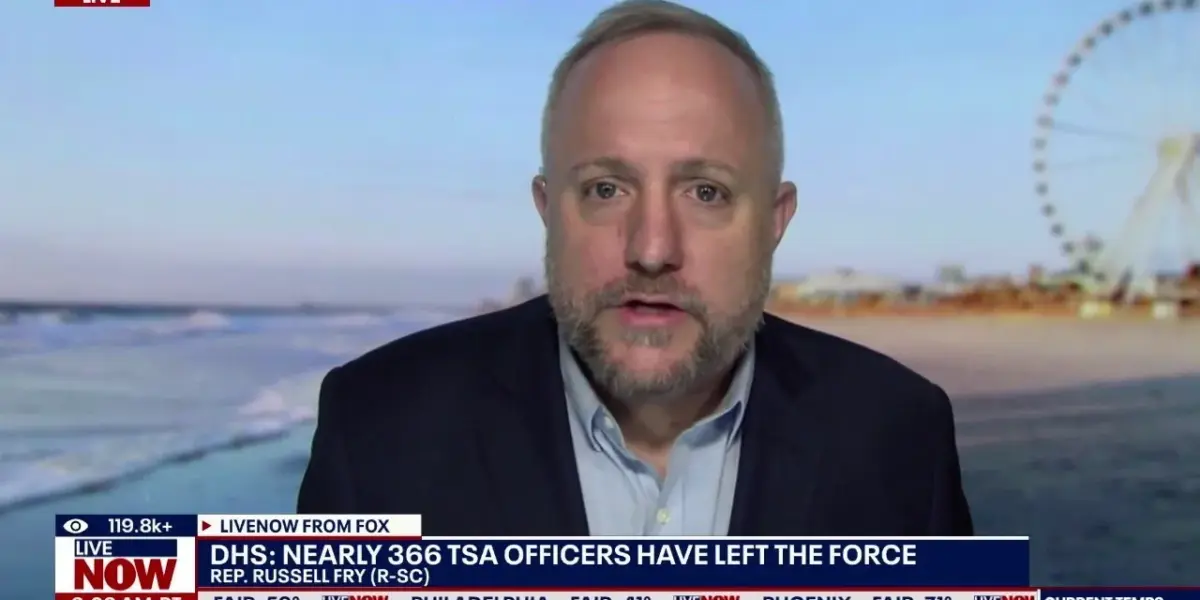
Congress Debates $200 Billion for Iran War, DHS Funding Stalemate
Washington D.C. – As the United States grapples with escalating global tensions, Congress is facing significant decisions regarding defense spending and homeland security funding. Representative Russell Fry, a Republican, discussed the Pentagon’s request for up to $200 billion to support operations related to the Iran War and the ongoing stalemate over Department of Homeland Security (DHS) funding, which has left TSA workers without paychecks.
Assessing the Cost of Conflict: Iran War Funding Under Scrutiny
The Pentagon’s request for substantial funds to address the Iran situation has become a key point of discussion. Secretary of Defense Lloyd Austin indicated that the $200 billion figure could change, a point Representative Fry acknowledged.
“As these things are submitted by the administration to the Congress, it’s something that we will seriously take a look at,” Fry stated. “What I think is important is obviously the readiness of the military.”
Fry emphasized that the core question for Congress is whether such funding truly supports military readiness and provides troops with the necessary tools to protect American interests effectively. He assured that any proposal would receive serious consideration, aligning with the administration’s broader goal of supporting the military and ensuring troops are equipped with cutting-edge resources.
The congressman also addressed taxpayer concerns about the rapid accumulation of war costs, noting that the military’s purpose is to protect American lives, commerce, and interests. He explained that while military action costs money, the focus remains on its effectiveness and its role in deterring hostile acts, particularly from Iran, which has a history of challenging U.S. interests and pursuing nuclear capabilities.
The Funding Process: From Pentagon Request to Congressional Approval
Representative Fry outlined the process for handling such funding requests. Typically, Congress follows a traditional appropriations or budgeting process. However, for supplemental packages, agencies like the Department of Defense can formally request additional resources for specific needs.
“They would come forward and say, we need additional resources for XY and Z,” Fry explained. “And so they would submit those to Congress, the reasons why… And so when we received that, that’s when Congress can go about doing its work to see if that’s something that we would do.”
He noted that Congress has a history of approving such supplemental funding for military operations and other critical needs, even during times of peace. The current request, while primarily focused on the Iran conflict, could also encompass other global priorities and restocking munitions, according to Fry.
DHS Funding Dispute Sparks Travel Woes and Political Blame
The conversation shifted to the pressing issue of DHS funding, which has led to significant disruptions, including TSA workers going without pay. Senator Chuck Schumer has criticized Republicans, accusing them of holding passengers hostage at airports and demanding they approve the funding.
Representative Fry countered this narrative, calling the Democrats’ approach “malpractice as far as governing is concerned.” He pointed out that a deal on appropriations bills was negotiated months ago, with 11 out of 12 bills already passed and signed. Fry argued that the current impasse on the DHS bill is politically motivated.
“This is a guy who is backing up from a deal that they previously negotiated,” Fry said of Senator Schumer. “They want to make this about ICE, but here’s the reality people are seeing this in real time. Play out this Democrat shutdown, part two.”
Fry stressed that holding essential services and federal employees hostage due to political disagreements is not a viable governing strategy. He advocated for separating the DHS funding from other immigration policy debates, suggesting that if Democrats wish to reform immigration enforcement, they should propose specific legislation rather than blocking necessary funding.
“My message to Democrats is, it’s time to do your job, honor the agreement that you made,” Fry urged. “If you want to go reform ICE, then you as a member of Congress or the Senate can propose any legislation to do that, but do not hold the American people hostage because you want to play games during a time of increased threats from Iran.”
Looking Ahead: Border Security Talks and Future Funding Debates
As lawmakers prepare for a potential recess, the pressure is mounting to resolve the DHS funding issue. Bipartisan talks involving senators and White House officials are ongoing, with hopes for a counteroffer that could bridge the gap. However, the deep divisions remain a significant hurdle. The ability of Congress to find common ground on both critical defense spending and essential homeland security funding will be a key indicator of its effectiveness in addressing national security challenges in the coming months.
Source: Rep. Fry on DHS funding, Iran war (YouTube)

Related Articles

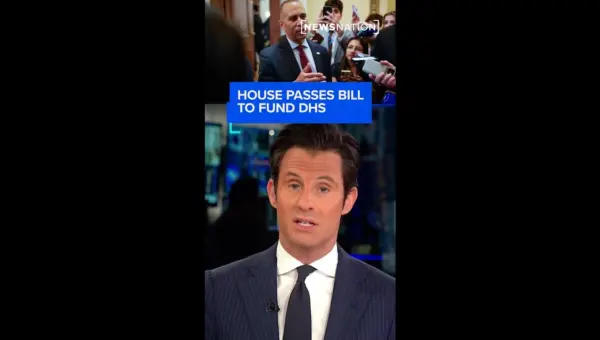
Congress Stalemate Threatens Border Security Funding
The U.S. House passed a temporary funding bill for the Department of Homeland Security, but Senate Democrats are expected to block it. This recurring stalemate highlights deep divisions over border policy and funding, potentially impacting national security and international perceptions of U.S. stability.
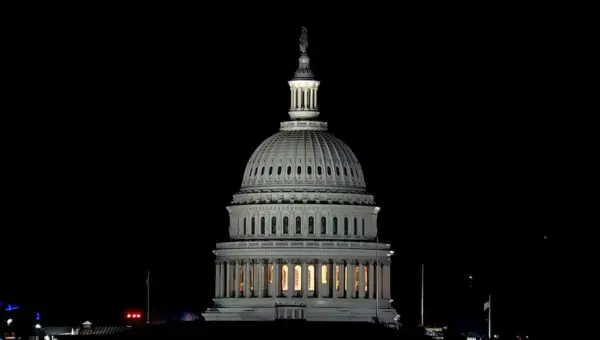
House Funds DHS, But Senate Deal Unlikely Amid Shutdown
The House of Representatives has passed a bill to fund the Department of Homeland Security, but the measure is unlikely to pass the Senate. TSA workers, who have faced missed paychecks and disruptions, may receive some pay soon due to a presidential order, but the broader shutdown continues.


DHS Funding Crisis Sparks Chaos, Congressman Blames Poor Communication
Congressman Darrell Issa blames "failure to communicate" for the DHS funding crisis leading to unpaid TSA agents and airport chaos. The House is preparing a short-term bill as security concerns rise.