Invincible: HUGE Comic Changes Revealed!
Amazon's 'Invincible' series introduces significant changes from its comic origins, from character race and motivations to plot timelines and the inclusion of new elements. Explore the biggest differences that make the show unique.

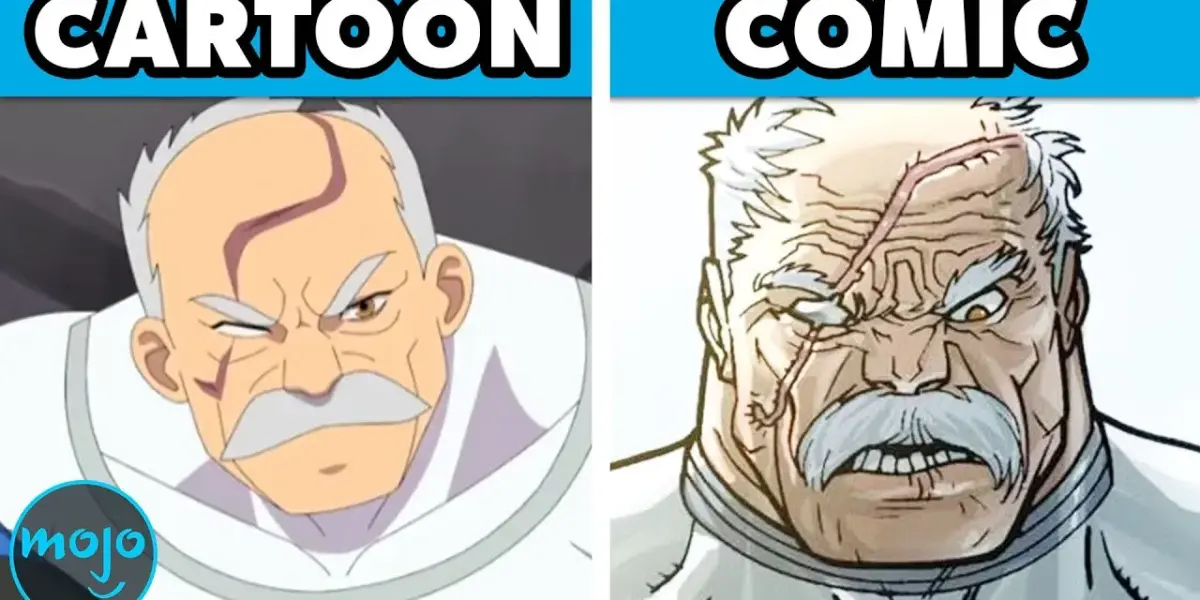
‘Invincible’ TV Show Makes Major Comic Tweaks!
Amazon Prime Video’s “Invincible” has taken the comic book world by storm, bringing Robert Kirkman’s gritty superhero saga to life with stunning animation and brutal action. But as fans dive into the series, it’s clear the show isn’t afraid to stray from its comic roots. From character origins to major plot points, the adaptation has introduced some significant differences that have fans buzzing.
From Page to Screen: Key Differences Explored
While many beloved characters and storylines remain faithful, “Invincible” has made some bold choices in adapting the source material. These changes often serve to deepen character motivations, streamline narratives, or simply offer a fresh perspective on familiar events. Let’s break down some of the most notable shifts that have kept viewers on their toes.
Minor Characters Get Major Upgrades
Even smaller players from the comics have seen their roles expanded or altered. Take Black Samson, for instance. In the comics, he had a butler named Sanford who, upset about Samson’s departure from the Guardians of the Globe, stole a power suit and attacked a funeral. The show omits Sanford entirely, focusing instead on Samson’s own journey to regain his powers.
Similarly, villains like Magmaniac and Tether Tyrant, who were mere obstacles in the comics, were given a heartbreaking six-minute dialogue-free sequence in Season 3. This segment explored their struggles to build a new life, making viewers genuinely care about their eventual return to crime. This emotional depth wasn’t present in their comic counterparts, who only turned back to villainy out of financial desperation.
Mark’s Growth and New Threats
The series also emphasizes Mark Grayson’s development as a hero in ways the comics didn’t always show. During his first fight with Angstrom Levy, Mark was overwhelmed by the villain’s portals to other dimensions. The show, however, highlights Mark’s improved control and speed in their later encounters, demonstrating he learned from his mistakes. An extensive training sequence at the start of Season 3 also visually reinforces his growing capabilities, a detail absent from the comics.
The alternate versions of Mark, known as the “Alternate Marks,” also get more screen time and distinct personalities in the show. While the comic event was shorter and most alternate Marks had minimal dialogue, the series delves into their motivations for attacking Mark’s world, making them feel like individuals rather than just evil copies.
Origin Stories Reimagined
Atom Eve’s origin story received a dedicated special episode before Season 2, revealing her creation through a government program. While largely faithful to the comic, the show introduces Eve’s childhood friend Val as an original character, adding a new layer to her early life. The show also allows Eve to be far more creative with her powers during a fight against her siblings than depicted in the comics.
Oliver, Mark’s younger brother, also experiences changes. While he ages rapidly in both versions, the show skips his toddler phase, moving straight from baby to child. His personality is also more childlike in the adaptation, even taking up skateboarding. A key difference is his emotional reaction to taking lives, contrasting with his cold demeanor in the comics when he killed the Mhler twins.
Villain Motivations and Backstories
Powerplex’s vengeance against Invincible, stemming from his sister’s death during the Season 1 fight with Omni-Man, is amplified in the show. The series reveals that Invincible specifically failed to save his sister and adds the tragic detail of her daughter, making his quest for revenge even more poignant. The show also implies his wife suggested staging his family as hostages, a deviation from the comic where it was solely Powerplex’s plan.
Even the formidable Viltrumite Conquest gets a surprising emotional beat. While his brutal fight plays out similarly, his admission of loneliness to Mark—stating other Viltrumites fear him—adds a complex layer to the villain’s character, something not explored in the comics.
New Characters and Expanded Arcs
The show has also introduced entirely new elements. Multiple’s prison break, a minor event in the comics, becomes a significant setpiece in Season 3, with both Invincible and Atom Eve involved. The demon detective Damian Darkblood, a parody of Hellboy in the comics, is made more competent in the show, actively pursuing Omni-Man before being sent back to hell. A mid-credits scene teases his future involvement, even hinting at elements unknown to comic readers.
The character of Cahor the mummy, absent from the comics, appears as a running gag villain that Invincible repeatedly thwarts without even realizing it. The show also adds a missing villain, David Hiles, who was a weapons engineer turned high school teacher seeking revenge in the comics but is entirely absent from the series.
Representation and Relationship Shifts
Creator Robert Kirkman has openly discussed making changes for greater representation. Mark Grayson is now depicted as biracial, with his mother Debbie being Korean-American. His romantic interest, Amber Bennett, is also changed from Caucasian to African-American. This move aims to bring more diversity to the screen and resonate with a wider audience.
William, Mark’s best friend, is openly gay from the start of the show, whereas his sexuality is revealed much later in the comics. While he eventually ends up with Rick Sheridan in both versions, their relationship begins as friendship in the show, with William leading the charge to save Rick out of worry rather than romantic love.
Team Dynamics and Timeline Adjustments
The introduction of the Teen Team happens much sooner and under more dire circumstances in the show. Instead of stumbling upon a minor fight, they rescue Invincible from the extradimensional Flaxons, immediately showcasing their powers and building their camaraderie.
Robot’s storyline is also accelerated. The reveal that he’s controlled by Rudy, a genius with severe physical disabilities, and his subsequent creation of a new body using Rex’s DNA, happens in Season 1 of the show. This pivotal moment occurs much later in the comic’s timeline.
Subtle but Significant Changes
Even seemingly small details can have larger impacts. The Atlantean custom requiring the king’s killer to marry the widow is abolished in the show, replaced by a fight against a sea monster. This change allows for the creation of a harmful sound weapon used against Mark in Season 3, a detail that differs from the comic’s vaguer implant.
Amber Bennett’s characterization is also deepened. In the comics, she mainly serves to create friction between Mark and Eve. The show, however, gives her more agency and a more prominent role beyond just being a romantic rival.
Why the Changes Matter
These alterations, whether big or small, demonstrate the “Invincible” creative team’s commitment to making the television adaptation a dynamic and engaging experience. By tweaking character arcs, motivations, and timelines, they ensure the story remains fresh for longtime comic fans while remaining accessible and compelling for newcomers. The series continues to prove that while staying true to the spirit of the source material, there’s always room for evolution.
Source: Top 30 Differences Between the Invincible Comic and TV Show (YouTube)

Related Articles

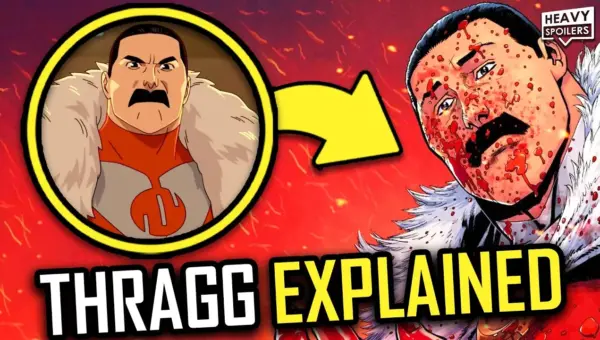
Invincible’s Biggest Villain Finally Meets His Match!
The ultimate Viltrumite villain, Grand Regent Thrag, has met his brutal end in the Invincible comics. Discover his full history, his reign of terror, and the epic, sun-scorched battle that finally defeated him. Will the show deliver an equally epic showdown?

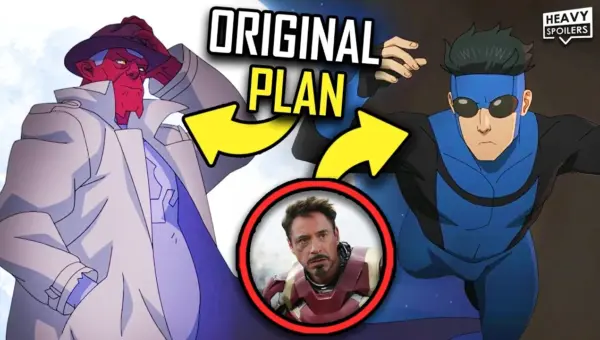
Invincible Drops Mark Into Hell for Wild New Arc
Invincible's latest episode plunges Mark Grayson into Hell for a wild, comic-deviating adventure. Reimagining lost storylines, the episode sees Mark battle demons, confront his guilt, and face new cosmic threats, all while Eve reveals a pregnancy.

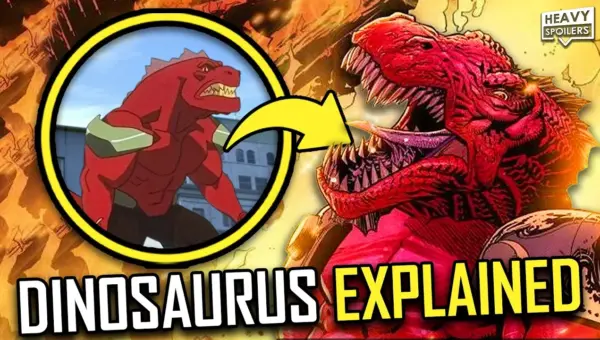
Invincible’s Dinosaur Villain Changes Everything
Dinosaurus, the genius dinosaur villain from Invincible, is more than just a foe; he's a catalyst for Mark Grayson's growth. His extreme methods and complex motivations challenge Invincible's core beliefs, forcing him to question his role as a hero and ultimately shaping his destiny.