Russia’s Crimea Buildup: A History of Escalation
A detailed look at Russia's systematic military buildup and political influence in Crimea from the early 2000s leading up to the 2014 annexation. The article explores key events like the Tuzla Island standoff and the Kharkiv Agreements, revealing a long-term strategy to secure the peninsula.

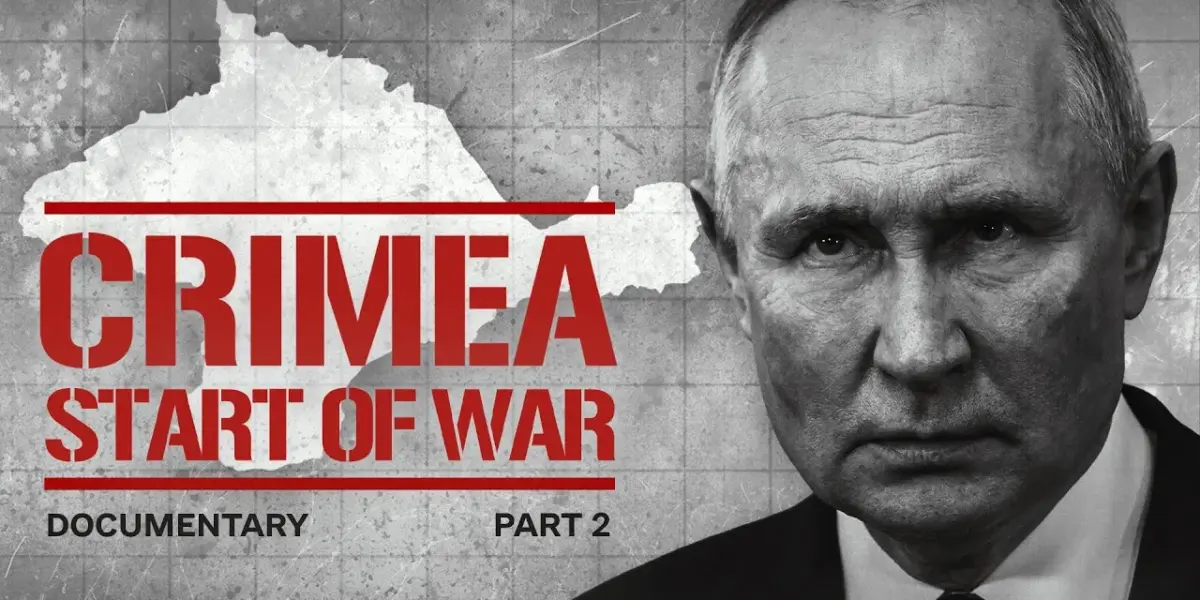
Russia’s Crimea Buildup: A History of Escalation
In the years leading up to Russia’s 2014 annexation, Moscow systematically increased its military presence and influence in Crimea. This strategy involved a gradual buildup of forces, political maneuvering, and the exploitation of historical ties, all aimed at securing its strategic interests on the peninsula.
Tuzla Island Standoff Signals Early Tensions
The roots of this escalating tension can be traced back to the early 2000s. In the fall of 2003, Russia began constructing a dam extending from Russia’s Taman Peninsula towards Tuzla Island, a small, uninhabited Ukrainian island in the Kerch Strait. This move was seen by Ukraine as a direct challenge to its territorial integrity and sovereignty.
Ukrainian border guards, led by officials like Pablo Alexanko, were among the first to respond. Reports from September 29, 2003, detailed Russian construction activities near the first Ukrainian border post. The situation rapidly escalated, prompting Ukrainian border detachments to deploy to the island.
By nightfall on the day of the initial report, Ukrainian forces had landed and established a defensive position on Tuzla Island. The following morning, they observed a Russian mobile border guard unit approaching. The speed of these developments highlighted the urgency felt by the Ukrainian side.
Colonel Olegchenko, head of the border detachment, along with other senior officers, arrived to assess the situation. Serhiy Volodymyrovych was appointed Chief of Staff for Tuzla’s defense. The construction of fortifications and living quarters for personnel indicated a long-term Russian intent.
The Ukrainian response was swift and decisive. Two maritime guard brigades, the Kerch and Balaklava brigades, along with reinforcements from the Odesa brigade, were deployed. A combat-ready reactive artillery battalion was also brought to full readiness. Transport and loading vehicles for ammunition were brought to the regiment’s firing positions.
Daily observations revealed a continuous increase in Russian construction activity, with reports of up to 800 vehicle trips per day at the peak of the dam construction. Despite official inquiries to Russian security forces, the response was consistently vague: “We are studying it. We don’t know. We will clarify.” This pattern suggested a coordinated effort, likely under the direction of Russian special services.
Ukraine presented historical documents, including Soviet-era maps and election bulletins from the Kerch city council, to assert its claim over Tuzla. These documents indicated that the border between the RSFSR and the Ukrainian SSR ran between Kuban and Tuzla, not between Kerch and Tuzla.
As the Russian dam neared within 98 meters of Ukrainian territory, the situation became critical. Ukrainian naval commanders considered drastic measures, including attempting to sink Russian vessels. However, logistical challenges and the lack of available naval assets hindered these plans.
A crucial turning point came with a severe storm. The storm’s force eroded the sand dam, washing away the construction material and deepening the channel between Tuzla and the mainland. This natural event disrupted Russia’s immediate plans.
Following the standoff, official negotiations took place in Moscow. Russia halted the dam construction, and an agreement was signed, averting further conflict. Ukraine had demonstrated its resolve, but the underlying tensions remained.
Post-Orange Revolution: Growing Russian Influence
The political landscape in Ukraine shifted after the 2004 Orange Revolution, with the pro-Western Viktor Yushchenko winning the presidency. Relations between Kyiv and Moscow became strained. Despite this, Russian influence in Crimea continued to grow, often through cultural and political channels.
Russian politicians, such as Konstantin Zatulin, actively promoted pro-Russian sentiment on the peninsula. Zatulin, who had been banned from Ukraine for his separatist rhetoric, continued to advocate for Crimea’s return to Russia. His activities, often supported by Moscow, aimed to foster a sense of Russian identity and dissatisfaction with Ukrainian rule.
The then-Mayor of Moscow, Yuri Luzhkov, was a key figure in these efforts. He initiated projects to build housing for Russian Black Sea Fleet personnel and funded pro-Russian media, cultural events, and trips for Crimean children to Moscow. These initiatives served to strengthen ties with Russia and promote its narrative.
The opening of the House of Moscow and the FSB center in Sevastopol further signaled Russia’s expanding presence. These developments were met with concern by Ukrainian authorities, who saw them as encroachments on their sovereignty.
Historical narratives were also weaponized. Russian officials and politicians began questioning the legitimacy of Crimea’s transfer to Ukraine in 1954, claiming it was an illegal act by Nikita Khrushchev. This revisionist history aimed to lay the groundwork for future claims on the peninsula.
Kharkiv Agreements: Deepening Military Ties
The election of pro-Russian President Viktor Yanukovych in 2010 marked a significant shift in Ukraine’s relationship with Russia. In April 2010, Yanukovych signed the Kharkiv Agreements with Russian President Dmitry Medvedev. These agreements extended the lease of Russia’s Black Sea Fleet base in Sevastopol until 2042 in exchange for discounted natural gas prices for Ukraine.
While the public agreement focused on gas prices, secret protocols allowed for a significant increase in the Black Sea Fleet’s personnel to over 25,000 and an expansion of its military equipment. This move effectively increased Russia’s military capacity on the peninsula, a fact that would prove critical in the years to come.
These agreements also led to a weakening of Ukraine’s military presence in Crimea. Army reductions, the undermining of air defense systems, and disruptions to Ukrainian conscription weakened the peninsula’s defenses. Command structures were also reorganized, centralizing control under the Black Sea Fleet, which limited the autonomy of Ukrainian coastal defense units.
The Road to Annexation: Preparations and Seizure
In the years leading up to 2014, Russia’s military preparations intensified. Large-scale military exercises were held, often under the guise of security for events like the Sochi Olympics. These exercises served as cover for moving troops and equipment to southern Russia, near the Ukrainian border.
Despite public denials, intelligence reports indicated a significant buildup of Russian forces. The Russian Black Sea Fleet was observed moving troops and equipment, with little oversight from Ukrainian authorities. The possibility of Russian military intervention to protect Russian-speaking populations was openly discussed by Russian officials.
Following the Revolution of Dignity in Ukraine in early 2014, Russia launched its seizure of Crimea. Unmarked Russian troops, later confirmed to be from Russia’s armed forces, began blocking Ukrainian military bases, airfields, and key facilities. They occupied the Crimean Parliament and government buildings.
A hastily organized referendum, widely condemned as illegitimate by Ukraine and the international community, was held. The results, which claimed overwhelming support for joining Russia, were not recognized by most countries. Vladimir Putin officially recognized the annexation of Crimea on March 18, 2014.
The annexation marked the culmination of years of strategic planning and military buildup by Russia. It demonstrated a clear intent to reclaim and control the strategically vital peninsula, setting the stage for further conflicts and geopolitical shifts.
Strategic Implications
The events surrounding Tuzla Island and the subsequent years of Russian activity in Crimea highlight a consistent pattern of Russian strategy. This pattern involves a gradual assertion of influence, backed by military pressure and a willingness to challenge international norms. The Tuzla incident served as an early warning, demonstrating Russia’s readiness to use its military to achieve its objectives, even against a sovereign neighbor.
The expansion of the Black Sea Fleet’s presence, particularly after the Kharkiv Agreements, significantly altered the military balance in the region. This increased capability provided Russia with the means to project power and control key maritime approaches. It also created a substantial military advantage that was exploited during the 2014 annexation.
The narrative surrounding historical claims and the protection of Russian-speaking populations was a key element of Russia’s strategy. By questioning Ukraine’s territorial integrity and framing its actions as a defense of ethnic Russians, Moscow sought to legitimize its intervention both domestically and internationally.
The weakening of Ukraine’s defense posture in Crimea, particularly in the years leading up to 2014, made the peninsula vulnerable. Reductions in military personnel, equipment, and air defense capabilities created a situation where Ukraine lacked the means to effectively resist a determined Russian assault.
The annexation of Crimea had profound geopolitical consequences. It fundamentally altered the security landscape in Eastern Europe, leading to increased tensions between Russia and the West. It also served as a precursor to further Russian aggression, as seen in subsequent conflicts.
The events underscore the importance of vigilance and a clear understanding of an adversary’s strategic objectives. The gradual nature of Russia’s buildup in Crimea shows that territorial gains can be achieved through a sustained campaign of political, economic, and military pressure, often disguised by diplomatic rhetoric.
Source: Crimea: The War Before the War | Part 2 (YouTube)

Related Articles

Mexico Navigates US-China Rivalry
Mexico is caught in a geopolitical tug-of-war between the United States and China. The nation must carefully balance its economic needs and strategic interests with both superpowers. This situation highlights Mexico's growing importance in global affairs.
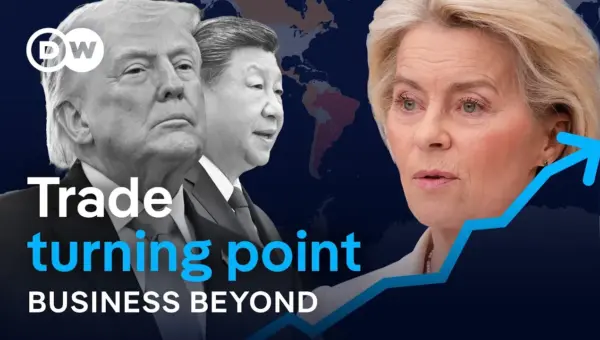
Europe Strikes New Trade Deals, Eyes Global Influence
The European Union is actively forging new trade alliances, notably with South American nations like Brazil, to reduce reliance on China and the US. Driven by the need for critical resources like rare earth metals and the desire to boost its own industries, Europe is making strategic concessions and seeking new markets, despite facing internal criticism and a changing global economic landscape.


Trump’s Oil Market Influence Wanes Amidst Global Instability
Former President Donald Trump's attempts to influence oil markets have reportedly failed, raising concerns about his diminishing credibility. Analysts compare his approach to "the boy who cried wolf," suggesting a loss of trust among market participants. The discussion also touched upon the use of personal devices for government communication and the vetting of political candidates amidst controversial remarks.