Iran Strikes Energy Sites as Tensions Flare with U.S.
Iran has escalated its conflict by targeting energy facilities in the Persian Gulf, leading to retaliatory U.S. strikes. This exchange, sparked by an alleged Israeli attack on Iranian gas fields, has disrupted global energy markets and raised alarms about the security of the Strait of Hormuz. The situation highlights regional tensions and potential divisions between allies.

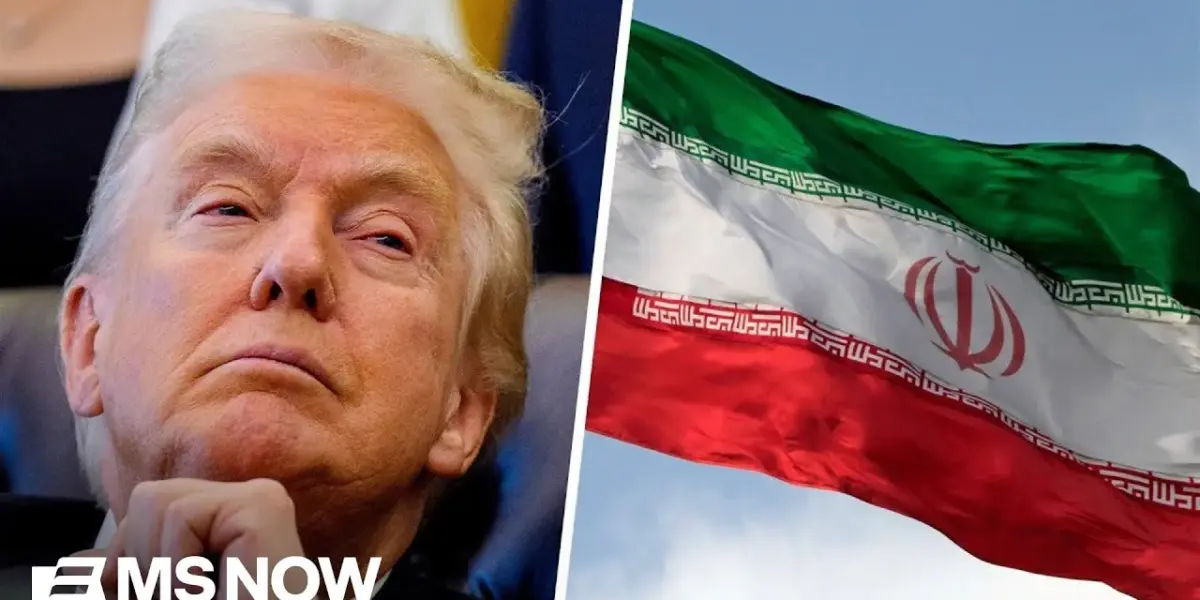
Iran Targets Energy Infrastructure Amid Escalating Tensions
In a significant escalation of regional conflict, Iran has been targeting energy facilities in the Persian Gulf, prompting retaliatory strikes from the United States deep inside Iran. This tit-for-tat exchange, which began after Israel reportedly targeted Iranian gas fields, has sent shockwaves through global energy markets and raised concerns about the security of vital shipping lanes.
The conflict intensified this week with attacks on key energy infrastructure. In Haifa, Israel, an oil refinery experienced damage to its electrical systems. While operations have largely resumed, the incident highlights the growing threat to energy production in the region. Iran, in response to what it called attacks on its own energy facilities, has vowed to show no restraints if such actions continue. This comes after Israel’s alleged targeting of gas fields in Iran, the country’s primary source of domestic energy, which left Iran furious.
Qatar Facility Hit, Global Markets React
Iran’s retaliation reportedly included a strike on the Ras Laffan energy facility in Qatar. This facility is a major supplier of liquefied natural gas (LNG) for many countries worldwide. The attacks have already caused prices to soar, reflecting the vulnerability of global energy supplies to regional instability.
The situation has also revealed potential disagreements between the U.S. and Israel. U.S. President Donald Trump stated he was unaware of Israel’s preparations to attack the South Pars gas field. Reports suggest a growing divide, with Trump reportedly telling Israeli Prime Minister Benjamin Netanyahu to avoid further targeting Iran’s energy supplies. Despite this, Netanyahu has insisted that the U.S. and Israel are fighting together, not that the U.S. is fighting Israel’s war.
Regime Change Debate and U.S. Strategy
Amid the escalating conflict, discussions about regime change in Iran have resurfaced. Some analysts believe Israel views regime change in Iran as an existential necessity. However, the U.S. administration appears to be publicly backing away from this goal, focusing instead on Iran’s ballistic missile capabilities, its navy, and its nuclear program.
Professor Michael O’Hanlon from the Brookings Institution expressed skepticism about the realism of regime change. He noted that even if called for by Iranian protesters, the result could be a mass slaughter by the regime, which remains largely intact and committed to its ideology. O’Hanlon suggested that Iran’s goal is to reestablish deterrence, showing the world there is a price for attacking them, and that they are seeking revenge for fallen comrades.
Strait of Hormuz Security and Mariner Concerns
The security of the Strait of Hormuz, a critical chokepoint for global oil and gas transport, remains a major concern. Reports indicate that former President Trump is considering plans to blockade or occupy Iran’s Kharg Island to force the reopening of the strait. This move would represent a significant escalation and carries substantial risks.
The U.S. military has explored various options, including air power, similar to operations in the Red Sea. However, securing the strait completely has proven difficult. Merchant mariners express deep concern for their physical safety, with many ships now stuck in the Persian Gulf, facing shortages of supplies and denied permission to dock. These vessels, normally moving in large numbers, are now few and far between, creating a dangerous logjam.
Sal McCurgliano, a former merchant mariner, highlighted the desperate situation for crews who have been stranded for weeks. With small crews, limited provisions, and the constant threat of drone attacks, the mariners are in a precarious position. Ports are hesitant to allow these high-visibility ships to dock, fearing they might become targets themselves. The International Maritime Organization is attempting to establish safe passage, but progress is slow.
Potential Escalation and Future Outlook
The possibility of a U.S. naval blockade or a ground operation involving Marines has been discussed, but these options carry significant risks and potential for escalation. Air power remains a more plausible option, though it could remove negotiating leverage. The effectiveness of such measures in pressuring Iran into submission is uncertain.
As the situation unfolds, the focus remains on preventing further escalation while ensuring the safety of global energy supplies and maritime traffic. The coming weeks will be crucial in determining whether diplomatic solutions can be found or if the conflict will deepen, with potentially severe consequences for the global economy.
Source: Iran targeting more Gulf energy sites as U.S. strikes deep inside Iran (YouTube)

Related Articles


Trump’s War Strategy Faces Skepticism Amidst Shifting Goals
President Trump's strategy in the ongoing Middle East conflict is facing increasing skepticism, even from his own base. While military actions have seen success, strategic goals are unclear and diverging from allies like Israel. The prolonged war and shifting public perception are creating a sense of uncertainty and doubt.


Mexico Navigates US-China Rivalry
Mexico is caught in a geopolitical tug-of-war between the United States and China. The nation must carefully balance its economic needs and strategic interests with both superpowers. This situation highlights Mexico's growing importance in global affairs.
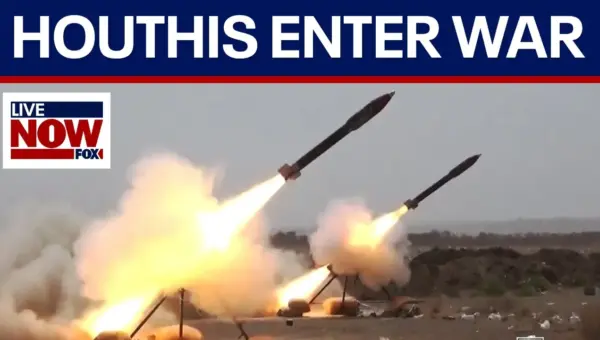
Iran-Backed Houthis Strike Israel, Escalating Regional Tensions
Iran-backed Houthi rebels have launched a missile attack targeting Israel, marking their first such strike since the current Middle East conflict began. The Israeli military confirmed the interception of the projectile. Analysts view this action as part of Iran's broader regional strategy, highlighting the regime's reliance on proxy forces amid internal weaknesses.