$1.7T Student Debt Now Tops Credit Card Balances
The U.S. student loan debt has reached $1.7 trillion, exceeding credit card debt. The Education and Treasury departments are partnering to improve loan collections and borrower assistance. Efforts also include reforming the FAFSA, embracing AI in schools, and increasing transparency in foreign university donations.

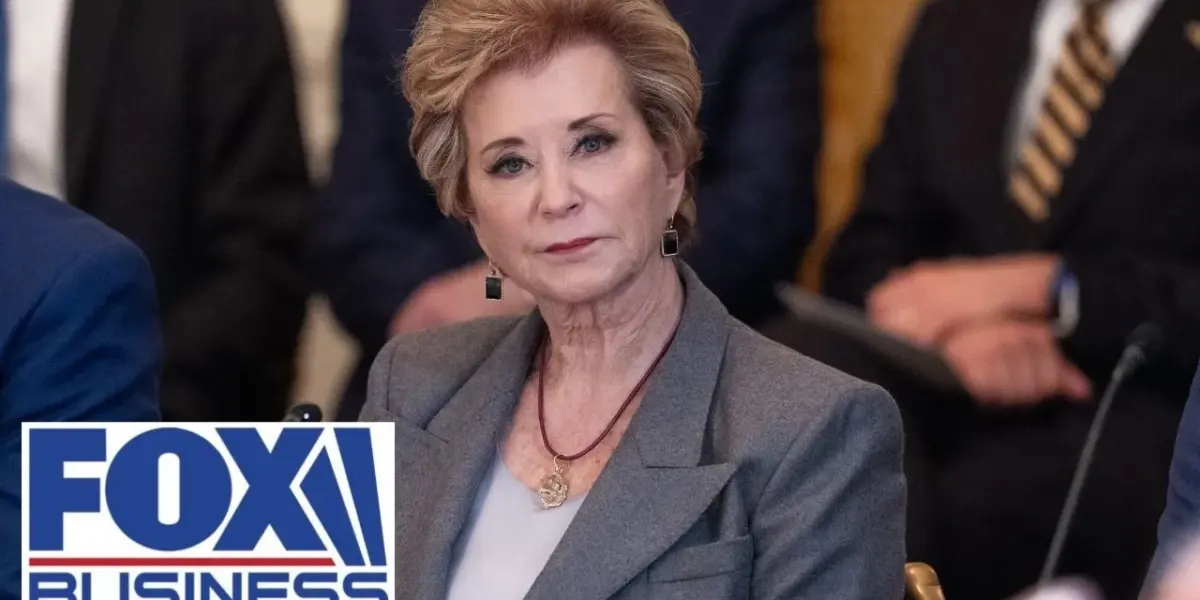
Federal Government Overhauls Student Loan Management
The U.S. Departments of Education and Treasury are launching a new partnership to manage the nation’s massive student loan program. This collaboration aims to improve loan collections and help borrowers who have fallen behind on payments get back on track. The U.S. student loan debt has ballooned to an astonishing $1.7 trillion, surpassing the total amount owed on credit cards nationwide. This significant figure highlights a major financial challenge facing millions of Americans.
Key Changes in Loan Collection
Under the new agreement, the Treasury Department will take over the responsibility for collecting student loans. This move is intended to streamline the process and improve efficiency. The Education Department, meanwhile, will focus on its core mission of enhancing educational quality and access.
Secretary of Education Linda McMahon emphasized the need for this change. “It’s an astounding number and the fact that it would be housed in Education to begin with,” she stated, questioning why such a large financial portfolio was initially managed by the Education Department. The partnership with Treasury is seen as a more logical fit for managing financial collections. This initiative seeks to recover funds owed to taxpayers and address the high default rates. Currently, 40% of borrowers are making payments, while a significant 25% are in default.
Reforming the FAFSA Process
A major focus of the department’s efforts has been fixing the Free Application for Federal Student Aid (FAFSA). This form is crucial for students applying for financial aid. The previous FAFSA process was described as “totally broken,” often taking hours to complete and days to receive information. Congress mandated a fix, and the department completed the overhaul ahead of schedule.
The revamped FAFSA form now takes about 35 minutes to complete. It also provides students and parents with valuable new information. This includes the cost of specific college majors at different universities and typical post-graduation salaries for those fields. “Now parents can take a look at that and say, ‘Wow, what’s going to be the ROI on this?'” Secretary McMahon explained. ROI, or return on investment, helps families assess if a college degree in a particular major will be financially worthwhile.
Embracing Artificial Intelligence in Education
The role of Artificial Intelligence (AI) in the classroom is also a growing area of interest. Secretary McMahon expressed optimism about AI’s potential to personalize learning experiences for students. She highlighted the emergence of “Alpha Schools,” which are experimenting with AI-driven instruction.
These schools often use AI for the first few hours of the day, providing focused instruction in various subjects. Teachers are present to monitor student progress and offer additional support. “The teacher is monitoring what’s going on and she can see if one student is progressing quicker or falling behind,” McMahon noted. After AI-based learning, students engage in traditional classroom activities, applying what they’ve learned. While currently expensive and often found in charter or private schools, the goal is to make these AI tools more accessible.
Transparency in Foreign University Donations
The Department of Education is also increasing transparency regarding foreign donations to U.S. universities. A revamped portal, based on Section 117 of the Higher Education Act, now requires universities to report all foreign funding. This includes money from countries like Qatar and China.
“We want to find out” the extent of this funding and potential influence, McMahon stated. The data is now housed at the Department of State, allowing for better monitoring of where the money comes from, which universities receive it, and how it is used. This transparency aims to identify any undue influence foreign entities might exert on campus speech or research. The department hopes this will help universities maintain their integrity and prevent potential national security risks.
Shifting Education Governance
Looking ahead, the administration’s executive order aims to move more educational governance back to the states. The Department of Education is actively working to transfer certain programs to other federal agencies, such as the Department of Labor and Health and Human Services, as well as to state-level entities. This initiative is part of a broader effort to decentralize federal control over education.
Secretary McMahon mentioned that this process is already underway, with programs being moved to departments where they can be “better handled and better administered.” Universities like Columbia, Vanderbilt, and Arizona State University were highlighted for making positive changes and implementing strong programs.
Market Impact
The federal government’s renewed focus on student loan collection and transparency in university funding carries significant implications. The $1.7 trillion student loan debt represents a substantial portion of the U.S. economy. Improved collection methods could lead to increased government revenue over time. Enhanced transparency in foreign donations may influence university policies and research directions, potentially impacting academic freedom and national security considerations.
The integration of AI in education, while still in its early stages, could drive innovation in ed-tech companies and influence future educational models. As these initiatives unfold, investors and policymakers will be watching closely for their economic and social impacts.
Source: Student loan debt is LARGER than the collective credit card debt in this country, McMahon says (YouTube)

Related Articles


NJ Teacher Uses AI Chatbot to Boost Student Writing Scores
A New Jersey teacher has developed an AI chatbot to help students improve their writing skills, leading to a 22% increase in pass rates. The tool provides instant feedback and targeted guidance, acting as a valuable supplement to traditional instruction. The teacher emphasizes that AI is a tool to assist educators, not replace the crucial human element in teaching.


Robot Teachers? Melania Trump’s AI Vision Sparks Concern
Melania Trump's recent remarks about humanoid robot educators have sparked debate. While she envisions instant access to knowledge, critics worry about the impact on critical thinking and the potential replacement of human teachers.


Gen Z Faces Record Debt, Pushing Homeownership Age to 40
Crushing debt from car loans, student loans, and credit cards is pushing the average age of first-time homebuyers to 40. Personal finance expert Dave Ramsey urges young Americans to tackle debt to regain control of their finances and achieve homeownership.