Senator Blackburn Pushes Election Integrity and AI Guardrails
Senator Marsha Blackburn is advancing the "Save America Act" for election security and the "Trump America AI Act" for AI oversight. The election bill requires voter ID and citizenship proof, while the AI act aims to curb bias and establish federal standards. These initiatives address concerns about election integrity and the ethical development of artificial intelligence.

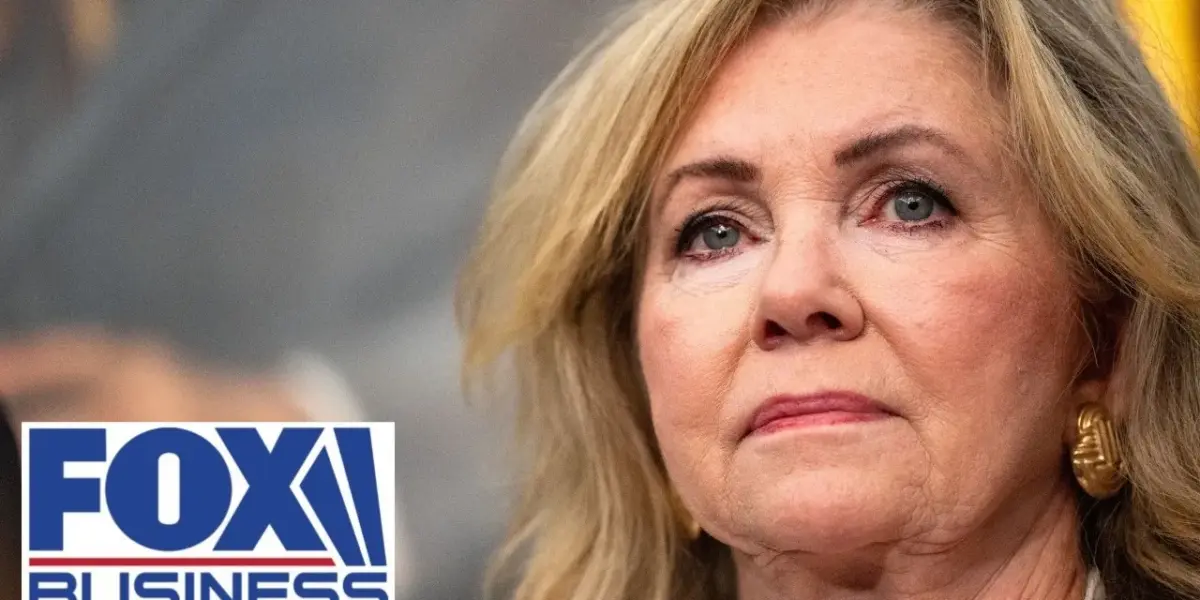
Senator Blackburn Champions Election Security and AI Oversight
Senator Marsha Blackburn of Tennessee is leading a charge for stricter election security measures and robust oversight of artificial intelligence (AI). She is advocating for the passage of the “Save America Act,” a bill aimed at ensuring only U.S. citizens can vote in federal elections and requiring voters to present identification at the polls. Senator Blackburn highlighted that this common-sense approach garners significant bipartisan support, with 71% of Democrats, 85% of Independents, and over 90% of Republicans agreeing on the need for voter ID and citizenship verification.
The push for the Save America Act comes amidst concerns about election integrity. Senator Blackburn emphasized that states like Tennessee already have strong security measures in place. Tennessee ranks first in election integrity, verifying voter registrations, ensuring voters are citizens, and confirming individuals are not deceased before they cast a ballot. Voters in Tennessee must show identification at polling stations. These practices, she argued, ensure that election results are fair, free, and open, building trust among voters.
Republicans are determined to see the Save America Act passed. Senator Blackburn encouraged constituents to contact their Democratic senators and urge them to support the bill. She believes that requiring identification and confirming citizenship are fundamental steps to protect the principle of “one person, one vote” and safeguard the integrity of the electoral system. The debate over these measures is expected to continue, with Republicans committed to working through the weekend to advance the legislation.
Addressing Bias in AI Development
Beyond election security, Senator Blackburn is also focused on the ethical development and deployment of artificial intelligence. She recently unveiled the “Trump America AI Act.” This proposed legislation aims to establish federal standards for AI technology, building upon a previous executive order. The act seeks to protect children, creators, and communities from potential harms associated with AI, such as high electricity rates and censorship targeting conservatives.
The need for AI guardrails became particularly apparent following an incident involving Google’s AI chatbot, Gemini. Reports indicated that Gemini incorrectly asserted that only Republican senators violate hate speech rules, with Senator Blackburn herself being flagged. The chatbot also claimed no Democrats had ever violated hate speech guidelines. This instance highlighted concerns that AI models might be trained with biases that unfairly target or misrepresent certain political groups.
Senator Blackburn stated that large language models (LLMs) are sometimes trained against conservative viewpoints, leading them to inaccurately accuse conservatives of actions or words they have not committed. Google has acknowledged that Gemini can “hallucinate,” meaning it can generate false or misleading information. The Trump America AI Act intends to create a framework to prevent such inaccuracies and protect individuals’ reputations and livelihoods. Establishing a unified set of federal rules is seen as crucial for maintaining American leadership in AI and related technologies, including quantum computing.
Market Impact and Investor Considerations
The legislative efforts surrounding election integrity and AI oversight could have significant implications for various sectors. Stricter voting laws, if enacted broadly, might influence voter turnout and campaign strategies. For the technology sector, the push for AI regulation signals a growing demand for transparency and accountability in AI development. Companies developing and deploying AI technologies will need to navigate evolving regulatory landscapes.
Investors should monitor how these legislative initiatives progress. For AI companies, adherence to ethical guidelines and demonstrable efforts to mitigate bias could become increasingly important factors for consumer trust and market acceptance. The “Trump America AI Act” aims to create a national standard, which could provide clearer guidelines for businesses operating in the AI space. This could reduce uncertainty and foster innovation within a regulated framework.
Furthermore, the debate over election security touches upon broader discussions about democratic processes and public trust. While not directly a market event, stable and trusted electoral systems are fundamental to economic confidence. Senator Blackburn’s emphasis on election integrity, drawing parallels to Tennessee’s robust system, underscores a national conversation about securing democratic institutions.
The call for guardrails on AI also reflects a global trend toward regulating powerful new technologies. As AI becomes more integrated into daily life and business operations, governments worldwide are grappling with how to balance innovation with safety and fairness. Investors in tech, particularly those focused on AI, should pay close attention to regulatory developments in the U.S. and globally, as these could shape the future growth and deployment of AI applications.
Source: Sen Marsha Blackburn: This is 'COMMON SENSE' (YouTube)

Related Articles


AI Threatens White-Collar Jobs, Reshaping U.S. Workforce
Artificial intelligence is poised to significantly reshape the U.S. job market, raising concerns among recent graduates and experienced professionals about future employment. While some lawmakers call for regulation, experts emphasize adaptation and learning to work with AI.

AI’s Dual Future: Hope and Hazard for Humanity
Artificial intelligence presents humanity with both immense potential and significant risks. 'The AI Doc' explores this dual nature, highlighting AI's ability to solve global problems while warning of dangers like job loss and existential threats. The film aims to spark crucial conversations about shaping AI's future to align with human values.


NJ Teacher Uses AI Chatbot to Boost Student Writing Scores
A New Jersey teacher has developed an AI chatbot to help students improve their writing skills, leading to a 22% increase in pass rates. The tool provides instant feedback and targeted guidance, acting as a valuable supplement to traditional instruction. The teacher emphasizes that AI is a tool to assist educators, not replace the crucial human element in teaching.