Wagner Guards Russia’s Shadow Fleet Oil Routes
Russia is bolstering its oil exports with Wagner mercenaries guarding its "shadow fleet" tankers in the Baltic Sea. Meanwhile, Ukraine is preparing for winter, developing advanced drone technology, and facing delays in Western aid due to European divisions. The conflict in the Middle East is also impacting oil prices, offering Russia a temporary economic advantage.

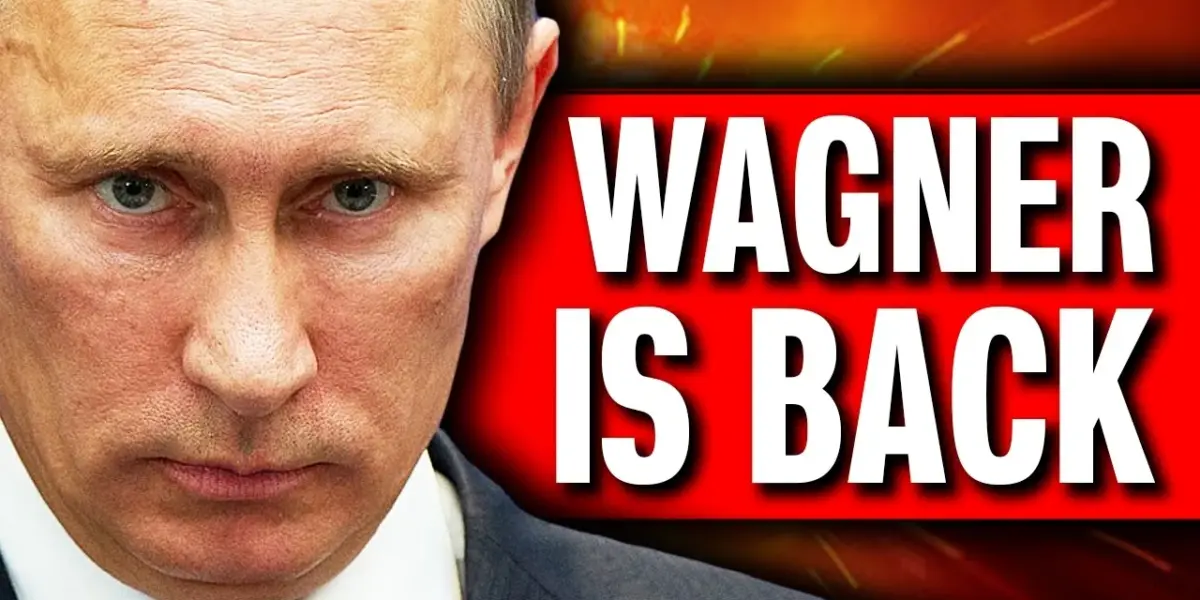
Wagner Guards Russia’s Shadow Fleet Oil Routes
Russia is increasingly using its Wagner mercenary group to protect its vital oil export operations. This development signals a more militarized approach to evading international sanctions. The Wagner presence has been noted on ships operating within Russia’s “shadow fleet,” a network of aging vessels used to transport oil despite Western sanctions.
Wagner’s Maritime Role Emerges
Reports indicate that individuals linked to Wagner have been serving as “vessel protection teams” on ships in the Baltic Sea since July 2025. These teams, often consisting of two armed individuals, aim to deter any attempts to board, interfere with, or seize the tankers. This deployment transforms what was once a commercial workaround into a more openly militarized strategy for maintaining Russia’s revenue streams.
The Shadow Fleet’s Significance
Russia’s shadow fleet is substantial, estimated to include up to 1,500 vessels. This fleet is crucial for moving approximately 11% of Russia’s global seaborne oil. The Baltic Sea is particularly important, as over 40% of Russian oil passes through its waters. With Sweden’s recent accession to NATO, this region has become even more strategically sensitive. The presence of Wagner teams is intended to secure Russia’s oil revenue against sabotage or interference, significantly altering the risk assessment for any nation considering interception.
Ukraine Prepares for Winter Amidst Strikes
While Russia reinforces its economic lifelines, Ukraine is proactively strengthening its own energy resilience. Despite ongoing Russian attacks on energy infrastructure, Ukraine has begun storing gas for the upcoming heating season. The country is injecting around 130 gigawatt-hours of gas daily into underground storage facilities. Imports from Poland and Hungary are contributing to these reserves, with a target of holding at least 13 billion cubic meters by the start of the 2026-2027 heating season.
Before the full-scale invasion, Ukraine produced most of its own gas. However, Russian strikes have reduced domestic output by roughly half. Ukraine is now compensating by increasing imports and integrating more closely with European energy networks. This early preparation is a strategic signal, demonstrating Ukraine’s ability to adapt and mitigate vulnerabilities before they become critical emergencies.
Threats to Russia’s European Gas Pipelines
Simultaneously, Ukraine is reportedly increasing pressure on Russia’s remaining gas export routes to Europe. Russian officials have warned of intensified Ukrainian attacks on compressor stations supporting the TurkStream and Blue Stream pipelines. These are described as Russia’s last major pipeline conduits serving Europe. Moscow frames these incidents as threats to critical international energy routes, particularly amidst global instability.
However, this concern is highlighted only when the pressure directly impacts a smaller set of Russian revenue-generating arteries. The perceived vulnerability of these pipelines, even without physical disruption, can influence insurance costs and political decisions. This concentration of reliance on fewer routes creates a significant risk for Russia.
Russia’s Continued Energy Exports
Despite international sanctions and pipeline threats, Russia maintains its capacity to export energy. Deputy Energy Minister Pavel Sorokin stated that Russia will continue supplying energy at market prices, utilizing “mutually acceptable payment practices.” Increased global demand, partly due to the conflict in the Middle East, has provided Russia with opportunities to find buyers and adapt its payment structures. While sanctions remain impactful, Russia’s system, though rougher and more costly, is not frozen. It adapts, reroutes, and benefits from global market volatility.
Ukraine’s Growing Drone Industry
In contrast to Russia’s reliance on older energy sectors, Ukraine is emerging as a leader in defense technology, particularly in drones. Companies like Swarmer, which develops drone software, are attracting significant investment. Erik Prince, founder of Blackwater, is backing Ukrainian defense firms, viewing Ukraine as a “leading battle laboratory.” Ukrainian companies are rapidly innovating, refining drone and electronic warfare systems based on real-world combat experience.
Swarmer recently raised $15 million, and UFORCE, the company behind the Magura unmanned speedboats that have sunk Russian vessels, achieved a $1 billion valuation. Project Eagle, backed by former Google CEO Eric Schmidt, has supplied thousands of Ukrainian-made drones to the Middle East via the U.S. Army. This technological advancement positions Ukraine not just as a recipient of Western aid but as a source of innovation for allied militaries, strengthening its long-term relevance.
Diplomatic Stasis and European Divisions
The diplomatic path toward resolving the conflict remains stalled. Kremlin spokesman Dmitry Peskov stated that peace talks are in a “situational pause” due to the conflict in the Middle East. Negotiations have been deadlocked over Russian demands for territorial control. This pause tends to favor Russia, as global attention shifts and European support mechanisms face internal challenges.
Europe’s internal divisions, particularly Hungary’s stance under Prime Minister Viktor Orban, continue to hinder crucial financial support for Ukraine. Orban’s veto of a 90-billion-euro loan package has delayed vital funding, potentially leaving Kyiv short of money in weeks. This reliance on a single holdout creates delays in delivery, impacting Ukraine’s material timeline and providing Russia with strategic breathing room.
Middle East War Impacts Global Markets
The escalation of the war involving Iran has significantly impacted global energy markets. Rising oil prices, driven by fears of disruption to major energy facilities, provide Russia with a temporary cushion. While higher oil prices do not solve Russia’s fundamental economic problems or remove sanctions, they can ease fiscal pressure and allow its constrained system to function longer. This external factor, combined with Russia’s efforts to maintain energy exports and the diplomatic pause, creates a more complex environment.
Contrasting Wartime Systems
The current situation highlights two distinct wartime systems. Russia, while functioning, relies on increasingly improvised networks, external market shocks, and defended choke points. Its methods are rougher, and it depends on conditions beyond its control. Ukraine, though still under strain, is building resilience through early planning, innovation in defense technology, and deeper integration with European supply lines. Its strengths lie in adaptation and technologies that are gaining international significance.
The West remains central to the outcome, but its own delays, internal divisions, and distractions also play a significant role. The conflict is less about singular battlefield events and more about which side can sustain a stronger system over time.
Source: Wagner Mercenaries Appeared in the MOST UNEXPECTED Place! (YouTube)

Related Articles
Ukraine’s New Strategy Cripples Russian Oil Exports
Ukraine's new multi-layered strategy is rapidly disabling Russia's oil export capabilities. By attacking loading facilities and working with allies to intercept the "shadow fleet," Ukraine is significantly reducing Russia's oil revenues, even amidst rising global energy prices.

UK Diesel Shortage Fears: Government Urged to Prepare
The UK faces potential diesel supply shortages starting mid-April due to global tensions impacting shipping routes. Experts urge the government to prepare contingency plans, warning of price hikes and disruptions. While a complete lack of fuel isn't expected, proactive measures are seen as crucial to avoid panic and ensure supply chain stability.
Space Power Beams Aim to Fuel Troops in War Zones
Aetherflux is developing a groundbreaking technology to beam solar energy from space to Earth using lasers. This innovation aims to provide power to military troops in hostile or remote environments, reducing reliance on vulnerable fuel convoys. The company plans to launch its first satellite later this year.