Trump, Netanyahu Clash Over Iran War Aims
President Trump and Prime Minister Netanyahu appear to have conflicting goals for the conflict with Iran. Trump seeks a quick resolution and a potential deal, while Netanyahu believes the Iranian regime must be dismantled entirely. This divergence raises questions about future strategy and the risk of wider escalation.

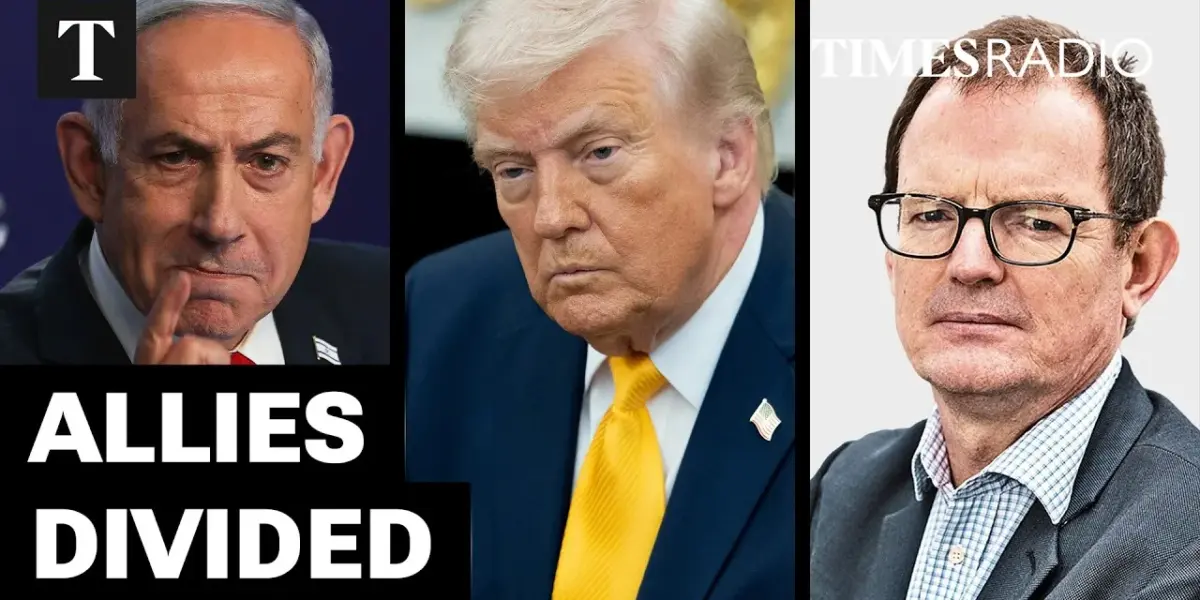
US and Israel Divided on Iran War Strategy
Signs are growing that the United States and Israel may not agree on how to end the conflict with Iran. While President Donald Trump favors a swift resolution and a potential deal, Israeli Prime Minister Benjamin Netanyahu believes the Iranian regime must be completely destroyed.
Netanyahu Denies Dragging US into War
Speaking recently, Benjamin Netanyahu addressed accusations that he influenced Donald Trump to enter the war. Netanyahu stated that Israel is working to create conditions for the Iranian Republic to collapse, but this cannot be achieved solely through air strikes. He emphasized the need for a ground component, though he did not share specific plans.
“You know, they have to explode those conditions at a certain point. Uh it is often said that you can’t win, you can’t do revolutions from the air. That is true. Uh you can’t do it only from the air. can do a lot of things from the air and we’re doing but there have to be there has to be a ground component as well.”
Trump’s “America First” Policy Questioned
Richard Spencer, a reporter from The Times, discussed the differing war aims from Doha. He explained that a key question in America is why the US got involved in the war, especially given Trump’s promise to avoid Middle East entanglements. Some believe Trump was persuaded by Netanyahu, potentially against his own instincts. The resignation of counterterrorism chief Joe Kent, a strong Trump supporter, fueled this debate. Kent reportedly felt Trump was dragged into the war by Israel and its U.S. supporters.
This issue is particularly debated within Trump’s base, especially among those who prioritize an “America First” approach and are skeptical of foreign entanglements, with some holding anti-Israel views.
Differing Visions for Iran’s Future
Spencer highlighted the core difference in strategy: Trump prefers quick interventions and swift outcomes, similar to his approach in Venezuela. He favors quick deals and the idea of an internal shift leading to a more pro-American Iran. This is often described as a “decapitation strike” or a rapid regime change.
Netanyahu, however, sees this as impossible. His goal is the complete destruction of the current regime. Even if regime change doesn’t occur, he wants Iran weakened to the point where it can no longer threaten Israel. This involves a longer campaign targeting Iran’s military and economic infrastructure, such as its oil and gas facilities, to cripple its ability to pose a threat for the foreseeable future.
“Netanyahu thinks that’s impossible. He thinks that uh the regime needs to be destroyed completely. Uh even if there’s no regime change, he wants it to be so uh emasculated as a country that can never pro provide a threat to Israel again.”
Potential for Escalation and Global Impact
The targeted attacks on Iran’s energy infrastructure raise concerns about escalation. If Iran’s oil and gas supplies are severely damaged, it could retaliate by disrupting Western energy supplies. This could involve closing the Strait of Hormuz or attacking terminals on the Arab side of the Gulf. Such actions could have long-lasting global consequences, as seen with the damage to Qatar’s liquefied natural gas terminal, which provides 20% of the world’s supply and may take years to repair.
Spencer noted that crippling Iran’s energy sector could align both American and Israeli aims by preventing Iran from funding its nuclear program. However, the downside is the risk of Iran retaliating against global energy markets, affecting countries like China and India as well.
Iran’s Agency and People’s Role
Despite the strategies of the US and Israel, Iran retains agency in the conflict. Even if weakened, Iran could continue attacks on Israel and other regional targets, potentially holding shipping in the Strait of Hormuz hostage. The U.S. has increased its naval presence to try and reopen the strait.
Furthermore, the role of the Iranian people is crucial. Trump’s initial message of support to the Iranian people, stating “Help is coming,” highlights the potential for internal change. The suppression of protests by the Iranian regime, even amidst internet blackouts that obscure the full extent of violence, could lead to a popular uprising.
Was War Inevitable?
A question was raised about whether the war was inevitable following the October 7th Hamas attacks. While the aims remain unclear, some believe that conflict with Iran and its proxies was bound to happen. The current situation might look different if U.S. military power and energy resources were better managed. The possibility of Iran’s actions making war unavoidable is a point of consideration.
Source: How Trump's Plan To End The Iran War Differs From Netanyahu | Richard Spencer (YouTube)

Related Articles
Ukraine Strikes Russian Oil Refinery, Eyes Iran Threat
Ukrainian forces struck a key Russian oil refinery, disrupting Moscow's war capabilities. Meanwhile, Finland's president urged continued U.S. support for Ukraine, as Kyiv shares its air defense expertise globally amid growing geopolitical complexities involving Iran and potential sanctions against Hungary.
Polls Spell Doom: Republicans Face Voter Backlash
New polling data reveals a sharp decline in public confidence regarding the economic impact of Republican policies, particularly under Donald Trump. A significant majority now feel financially worse off, a trend that is especially pronounced among independent voters. This economic discontent poses a major challenge for the Republican party heading into future elections.

Iran’s Missile Threat Reduced by 90%, Analyst Says
An analyst reports that Operation Epic Fury has degraded Iran's missile launchers by 90%, despite challenges in targeting hidden sites. The conflict's duration and media coverage are also discussed, with implications for global energy markets and investor confidence.