Dubai’s Safe Haven Image Tested by Regional Conflict
Dubai's reputation as a safe haven is being tested by recent regional conflicts, including drone attacks on infrastructure. While the city has a history of resilience and a strong economic model built on stability and low taxes, the escalating tensions pose new challenges for investors and businesses.

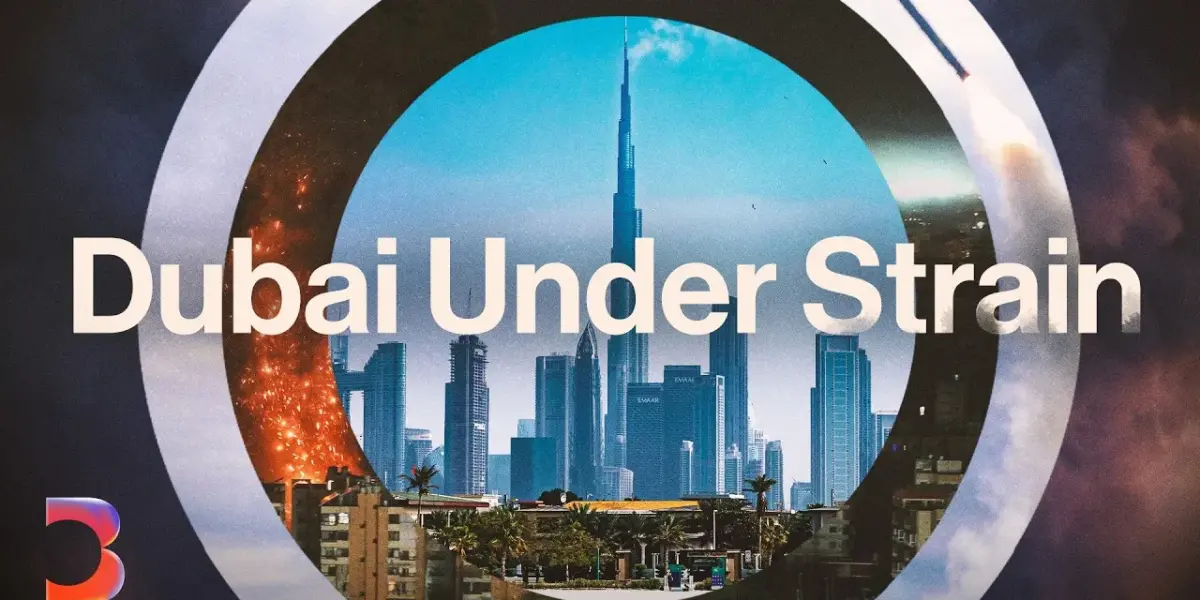
Dubai’s Image as a Safe Haven Faces New Challenges
Dubai, a city long seen as a beacon of stability and a safe haven for global wealth, is now facing unprecedented tests to its carefully crafted image. Recent drone attacks, including one hitting a residential tower and sparking a fire, have brought conflict to the doorstep of this emirate. These events are not just threats to lives and property but are directly challenging the perception of security that has drawn vast amounts of money and talent to the region.
A Model Built on Stability
The United Arab Emirates (UAE), of which Dubai is a part, has worked diligently to become an attractive destination for foreigners. This effort has transformed Dubai from a modest settlement in 1971 into a global financial hub. A significant part of this success is due to its stability-first approach. The city offers a secure environment with robust infrastructure, including strong physical security, advanced medical facilities, and a low crime rate. This focus on safety, even at the expense of some personal freedoms compared to Western nations, has minimized domestic unrest and made residents feel very secure.
This security, coupled with a zero-income tax policy, has fueled a massive influx of wealth and people. In the past year alone, the UAE has attracted prominent figures from the UK, including owners of Premier League sports teams, hedge fund founders, and heirs to large fortunes. This has caused property prices to soar, placing Dubai alongside major global financial centers like London, Hong Kong, Los Angeles, and New York. The UAE leadership’s strategy to diversify its economy away from oil has been remarkably successful, with income from oil now being negligible. Key industries like tourism, finance, and trade have flourished, with the number of hedge funds in Dubai nearly tripling since 2022.
New Threats Emerge
However, the recent attacks, including strikes on airports, military bases, and data centers, highlight a new level of risk. The region has experienced thousands of deaths in a conflict that began with actions by the US and Israel, prompting retaliatory strikes from Iran targeting US allies. The UAE, despite its efforts to remain neutral, has found itself in the line of fire. Amazon Web Services (AWS) has warned of service disruptions after drone strikes damaged three of its data centers in the Middle East, raising questions about future investment in infrastructure in a volatile region.
Impact on Key Industries
The tourism sector, a major pillar of Dubai’s economy, is also vulnerable. Dubai International Airport is the world’s busiest international hub, and its airline, Emirates, is the largest international carrier. Disruptions to travel and a perception of instability could significantly impact this industry. Furthermore, the Strait of Hormuz, a critical global trade route for energy products, has seen increased disruption. While Dubai has diversified its economy, its reliance on global supply chains means it can still be affected by such events.
Investor Confidence Under Scrutiny
The recent security concerns have prompted major financial institutions to take precautions. Goldman Sachs and Citigroup have reportedly advised their staff in Dubai to work remotely, and other Wall Street banks are offering temporary relocation options for employees. This indicates a growing awareness of the geopolitical risks associated with the region. While the UAE has historically managed to balance its proximity to Iran with its international relationships, the current escalation presents a significant challenge.
Historical Resilience
Dubai has a history of overcoming significant crises. During the 2008 financial crisis, the city experienced a severe property market downturn, with prices plummeting by 50% to 60%. At that time, Dubai’s sovereign wealth fund reportedly stopped making new investments and considered selling assets, requiring financial support from Abu Dhabi. More recently, the COVID-19 pandemic halted tourism and business travel, forcing Dubai to adapt by efficiently reopening its economy and offering incentives like long-term golden visas to attract global talent.
These past experiences demonstrate Dubai’s resilience and ability to bounce back. The leadership has been actively working to reassure residents and businesses, with public appearances and messages emphasizing safety and normalcy. The question remains whether this resilience can be tested and proven once again in the face of direct regional conflict.
What Investors Should Know
Dubai’s appeal as a haven for business and tax benefits has been a major driver of its growth. However, the recent conflict has highlighted the inherent geopolitical risks of its location. Investors are now weighing the long-term potential of Dubai’s diversified economy and strategic position against the immediate security concerns. While the UAE has a strong track record of adaptation, the ongoing regional instability, including potential disruptions to vital trade routes and infrastructure, introduces a new layer of uncertainty. The long-term outlook will depend on how effectively the region can manage these escalating tensions and maintain its image as a secure and stable environment for global capital.
Source: How Dubai’s Safe-Haven Status Is Being Tested (YouTube)

Related Articles

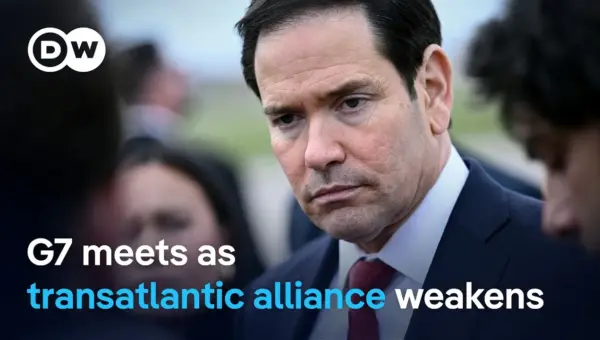
G7 Allies Clash Over Iran War Strategy, Urge Focus on Russia
G7 foreign ministers met in Paris, revealing deep divisions over the U.S. war with Iran. European allies urged the U.S. to pressure Russia, linking its actions to the conflict and fearing support for Ukraine will wane.
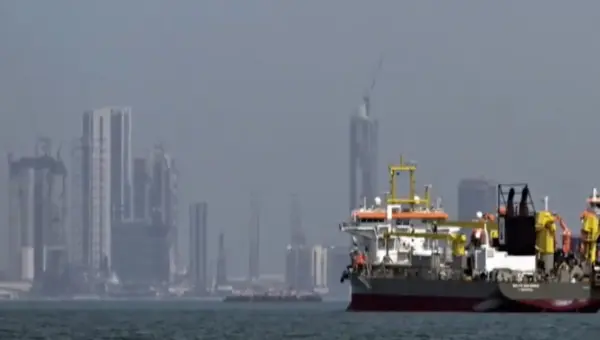
Iran Blocks China Ships, Exposing Beijing’s Weak Grip
Iran's recent decision to block Chinese ships at the Strait of Hormuz is exposing the limits of Beijing's influence in the Middle East. This action is causing delays and cancellations for Chinese manufacturers, turning a perceived geopolitical win into an economic strain.
Trump’s “Walk Away” Tactic Signals Tougher Stance on China
Retired Air Force Brigadier General David Stillwell believes President Trump's strategy of being willing to walk away from negotiations puts pressure on China. This tactic, combined with US global actions and strengthened alliances, signals a more assertive American foreign policy.