Ukraine’s Drone Prowess Shines Amid Shifting Alliances
British journalist Edward Lucas highlighted Ukraine's world-class drone technology amidst shifting international alliances. He expressed concern over potential US disinterest in Ukraine, while noting Russia's current economic gains from oil sales. Lucas believes genuine peace talks will only occur when Russia faces significant pressure.

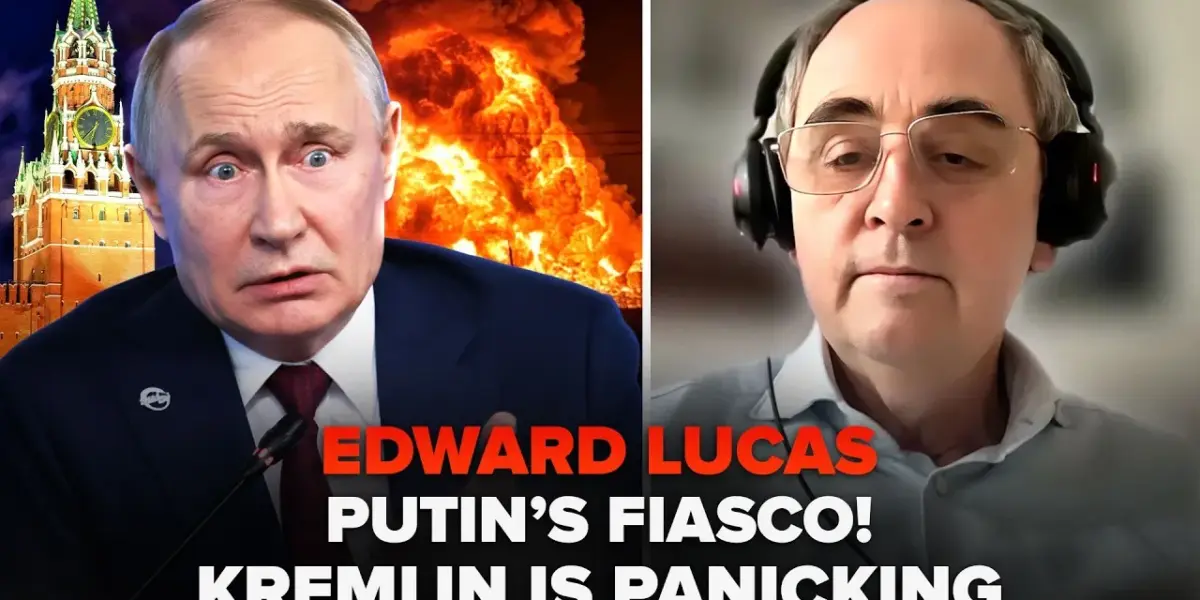
Ukraine’s Drone Prowess Shines Amid Shifting Alliances
Ukraine’s advanced drone technology has been recognized as world-class, according to British journalist Edward Lucas. This development comes as geopolitical alliances appear to be shifting, with potential implications for international support for Ukraine.
Ukraine’s Military Strength
Edward Lucas highlighted Ukraine’s significant advancements in military technology, particularly in counter-drone capabilities. “Ukraine’s counter drone technology is now recognized as world class,” he stated. This innovation is seen as a crucial asset for Ukraine in its ongoing conflict.
Lucas also mentioned Ukraine’s development of other weapons systems, including a missile named ‘Flamingo.’ He emphasized the importance of these indigenous weapons in bolstering Ukraine’s defense industry. The journalist expressed a belief that European nations should encourage the development of such effective Ukrainian missiles.
Shifting International Dynamics
The interview touched upon the changing stance of former US President Donald Trump regarding the conflict. Lucas noted Trump’s apparent shift in focus from Ukraine to Iran, suggesting a potential lessening of US interest in mediating the war. This perceived disinterest is seen as a concern, particularly as Russia may benefit from rising oil prices and a temporary easing of sanctions.
Lucas expressed worry about Trump’s approach, suggesting that he might view Russia as a potential mediator or a tool to influence oil prices. He also pointed out Trump’s rhetoric towards European NATO members, indicating a potential strain on traditional alliances.
Economic Factors and Sanctions
The discussion also covered the economic impact of the conflict and international sanctions. Lucas acknowledged that Russia is currently earning significant revenue from oil sales, which helps to offset the economic costs of the war. However, he described this as a potentially temporary gain, contingent on future political decisions and market fluctuations.
He also addressed the possibility of European Union nations reconsidering sanctions, noting the influence of countries like Hungary. Lucas suggested that political changes within Hungary could impact the EU’s decision-making process regarding sanctions and support for Ukraine.
Iran’s Military Cooperation
The interview addressed reports of Russia and China assisting Iran, including in military cooperation. Lucas described this as a long-standing relationship, noting Iran’s alliances with countries like Venezuela and North Korea. He questioned why Trump appeared to be more confrontational with US allies than with nations supporting regimes at odds with the United States.
Drone Threats and Underestimation
Lucas suggested that the threat posed by Iranian drones, such as the Shahed drones, may have been underestimated. He pointed out that these drones can be deployed effectively and are causing significant damage. The journalist also implied that a lack of proper advice and a tendency to not think through consequences might be influencing decision-making regarding these threats.
Air Defense and European Preparedness
Concerns were raised about the potential shortage of precision air defense missiles, like those used in Patriot systems, due to the conflict in the Middle East. Lucas acknowledged that European countries are worried about their own air defense capabilities. He noted that the UK’s air defenses are limited, with only one sea-worthy Type 45 destroyer equipped with such systems.
Lucas advocated for a more offensive strategy, suggesting that European nations should provide Ukraine with more long-range missiles like Storm Shadow and Scalp. He also stressed the need for deterrence and potentially expanding NATO to include Ukraine.
Peace Negotiations and Political Will
Regarding peace negotiations, Lucas expressed skepticism, referring to them as “diplomatic theater” rather than genuine efforts. He believes that Russia has no intention of serious negotiations unless it faces significant economic hardship and pressure. Lucas stated, “We will only get serious negotiations when Russia is really hurting.”
He argued that real pressure on Russia, including economic pressure and the impact of Ukrainian-developed weapons on the Russian population, is necessary to achieve meaningful peace talks. Lucas also urged Western governments to increase their support for Ukraine’s defense industries.
European Fatigue and Resilience
Lucas addressed the concept of “Ukraine fatigue” among some European populations. He found this notion shocking, given that Europeans are not enduring the direct hardships faced by Ukrainians. However, he acknowledged that public opinion can shift.
He suggested that Trump’s actions and rhetoric might actually galvanize Europeans, prompting them to realize the unreliability of the US as an ally and the need for greater self-reliance. This, in turn, could lead to stronger European unity and a deeper appreciation for Ukraine’s military strength and expertise.
Russian Propaganda and Resilience
The journalist dismissed Russian propaganda claims about the UK sending nuclear bombs to Ukraine as absurd. He explained that nuclear weapons are part of a complex system and cannot be easily transferred or deployed. Lucas praised Ukrainians for their resilience against such propaganda, wishing that other European nations possessed similar information resistance.
Future of the Battlefield
Lucas expressed uncertainty about dramatic changes on the battlefield in the near future. He noted that military experts have been surprised by many developments in the war. He observed that Russia is struggling to effectively employ large military formations and combined arms warfare.
He suggested that Russia might continue with high-casualty tactics, while Ukraine would rely on its drone capabilities. A significant shift, Lucas believes, would likely require a crack in Russia’s political will or internal dissent among Russian soldiers. He concluded by stating, “We will not see any dramatic change until we see a crack in political will.”
“Putin won’t stop until he’s stopped. And you in Ukraine could can do a lot to stop him, but you need Western money in order that you can run your wonderful defense industries absolutely full blast.”
Source: ⚡️Putin has no strength left! Front is on the brink. British journalist explained what happens next (YouTube)

Related Articles

Stocks Ignore War Risks, Focus on “Taco Moments”
Stock markets appear to be overlooking the severe supply chain risks stemming from the Iran conflict, focusing instead on potential diplomatic de-escalations. While the S&P 500 shows resilience, bond and commodity markets signal deep concern over disruptions to critical resources like LNG, helium, and fertilizers.
U.S. Iran Tensions Rise Amid Shifting Alliances
Rising tensions between the U.S. and Iran are creating a volatile geopolitical situation. With conflicting signals on de-escalation and potential shifts in alliances like NATO and U.S.-Israel relations, the path forward remains uncertain. The global economy and regional stability hang in the balance.


Iran Targets US With Cyberattacks, Escalating Digital Warfare
Iran is increasingly using cyberattacks to challenge the U.S., as seen in a recent hack of the FBI director's account. Experts say this is a strategic shift due to Iran's limitations in conventional warfare. The U.S. needs to strengthen its digital defenses, focusing on encryption and cloud computing, rather than solely relying on traditional security measures.