AI Boom Sparks Brutal Job Cuts for White-Collar Workers
Hundreds of thousands of white-collar jobs are at risk as AI adoption accelerates, leading to significant workforce reductions. Experts warn of a 'brutal' transition with rising unemployment and widening wealth gaps, prompting calls for solutions like Universal Basic Income and AI taxation.


AI Boom Sparks Brutal Job Cuts for White-Collar Workers
The rapid advancement of artificial intelligence is poised to cause significant job losses for hundreds of thousands of white-collar workers, with the transition expected to be particularly difficult. Experts warn that companies are increasingly using AI to boost productivity, often at the expense of human employees. This trend could reshape the job market for years to come.
One tech CEO of a publicly traded company revealed plans to cut 15% of its workforce immediately. The company intends to follow this with another 20% reduction in two years, and an additional 20% cut two years after that. Beyond these planned layoffs, the future job security for remaining employees remains uncertain, suggesting a potential elimination of many roles.
This strategy of workforce reduction is reportedly being rewarded. Managers are often seen as successful when they announce layoffs, leading to stock price increases rather than decreases. This creates a perverse incentive to cut jobs, as it can boost company valuations. Recent college graduates, especially those with degrees in humanities, are finding it increasingly hard to secure employment in this evolving landscape.
Andrew Yang, CEO of Noble Mobile, has been a vocal critic of this trend. He argues that while past industrial revolutions created more jobs, the current AI revolution may not follow the same pattern. Yang suggests that the benefits of AI-driven productivity gains are not being shared broadly. He points to companies like Anthropic, whose CEO has called for AI to be taxed, recognizing the writing on the wall for many jobs.
What Investors Should Know
The widespread adoption of AI is leading companies to seek efficiency gains. This often translates into reducing their human workforce. For investors, this means companies may report higher profits due to cost savings from layoffs, potentially boosting stock prices in the short term. However, the long-term societal impact of mass unemployment and the potential for worker unrest are significant concerns.
The data used to train these powerful AI models has been bought and sold for billions. Yang believes that this value should be returned to the public, perhaps through mechanisms like taxing AI. He advocates for solutions like Universal Basic Income (UBI) to support those displaced by automation. UBI is a system where all citizens regularly receive a set amount of money from the government, regardless of their employment status.
The current economic structure appears to benefit older generations who own assets like stocks and real estate. These individuals are often doing well financially. In contrast, younger people are struggling. For example, the cost of buying a house has increased dramatically, requiring seven times an individual’s income, compared to just one time previously. This growing wealth gap can fuel frustration and potentially lead to social and political instability.
Education System Challenges
Adding to these concerns are issues within the education system. Teacher satisfaction has dropped significantly, with many reporting low morale and dissatisfaction with their jobs. This decline impacts students, as less engaged teachers may not provide the full effort needed for effective education. Furthermore, there’s a worrying trend of children regressing in basic skills like following instructions and cooperating.
Experts point to the excessive use of screens and social media as a major factor. Children are becoming anxious, jittery, and unable to focus. Some schools and parents are trying to limit screen time to help children learn essential skills. The New York State is considering banning cell phones in schools during learning hours. This educational disruption could further hinder young people’s ability to compete in an increasingly intellectual and technologically driven society.
The combination of job displacement due to AI and a struggling education system creates a challenging outlook. While some argue for free college to ease financial burdens, others believe that the current system needs fundamental reform to prepare students for a rapidly changing world. The potential for social unrest is a growing concern as more people feel left behind.
Source: This transition is going to be BRUTAL for white collar workers, says Noble Mobile CEO (YouTube)

Related Articles


Anthropic’s ‘Mythos’ AI Leaks, Sparking Security Fears
Anthropic's powerful new AI model, Claude Mythos, was accidentally leaked online, raising concerns about its advanced cybersecurity capabilities. While Anthropic emphasizes its role in helping defenders prepare for future AI threats, the leak has also sparked debate about its intentionality and impact on the cybersecurity market.


First-Time Protester Cites War, Prices as Key Concerns
An auto technician from Louisiana, Jared McCallup, joined his first major protest, the 'No Kings' movement, citing war profiteering and rising prices as his primary concerns. He aims to be a voice for those too afraid to speak out. McCallup's experience highlights the growing economic anxieties among everyday Americans.

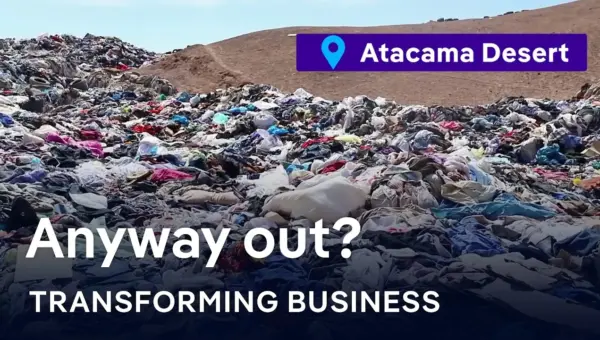
AI Revolutionizes Textile Recycling, Tackling Fashion Waste Crisis
AI is set to revolutionize textile recycling, offering a solution to the global fashion waste crisis. New technologies use AI-powered cameras to sort fabrics accurately, a crucial step for efficient recycling. This innovation could lead to billions in profits and help revive local manufacturing.