Germany’s “Not Our War” Stance Signals Shift in Global Alliances
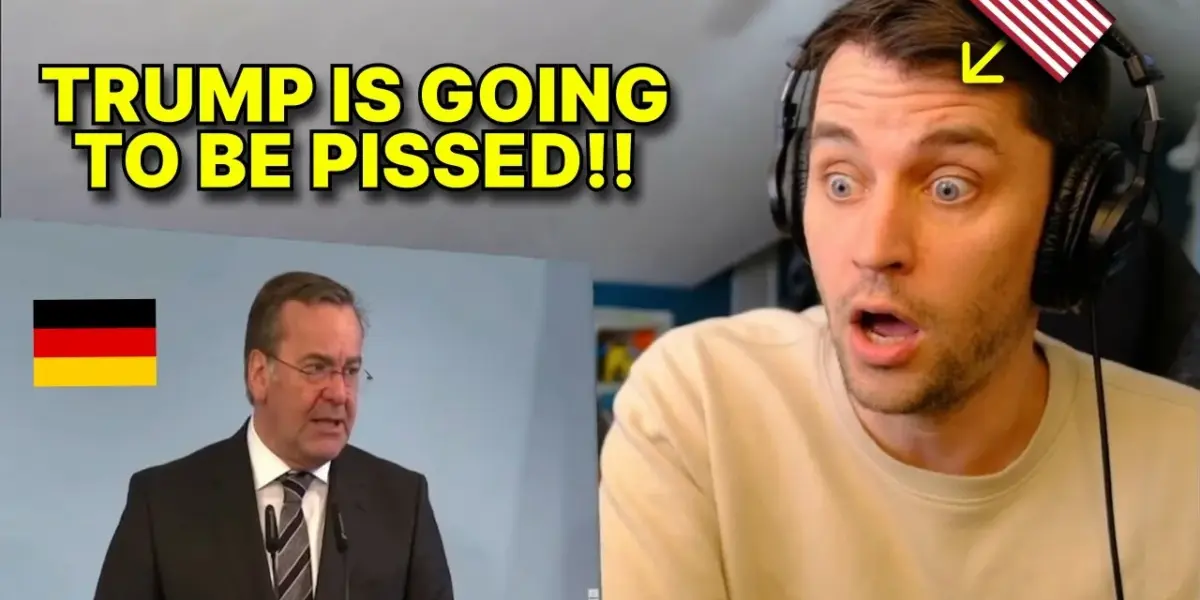
Germany has firmly rejected former President Donald Trump's call for military support in a potential conflict with Iran, declaring "It's not our war." This stance highlights a growing European assertiveness and a preference for diplomatic solutions over automatic military alignment, signaling a potential shift in global alliances.

Germany’s Bold “Not Our War” Declaration Resonates
Recent headlines suggest a growing European reluctance to follow the United States into potential conflicts, with Germany taking a particularly firm stance. This shift appears to be a direct response to former President Donald Trump’s calls for support in a conflict involving Iran. The idea that European nations would blindly support U.S. military action without prior consultation has been met with a decisive “no,” especially from Germany.
Merkel’s Position and the U.S. Demand
While the transcript mentions “Merkel” saying “It’s not our war,” it’s important to clarify that the German Defense Minister, Boris Pistorius, is the one making these statements in recent reports. The core message, however, remains the same: Germany is not willing to commit military resources to a conflict it did not initiate and does not fully understand. This rejection is particularly notable given Trump’s expectation of unwavering loyalty from allies.
Questioning the Objectives and Strategy
A key element of Germany’s refusal centers on the lack of clear objectives. The transcript highlights the ambiguity surrounding the definition of “winning” this potential war. It draws an analogy: just as a doctor wouldn’t simply destroy a patient’s lungs to treat lung cancer, a targeted and thoughtful approach is needed to address the Iranian regime, which is widely recognized as problematic and oppressive. The current strategy, which seems to involve broad military action, is questioned for its effectiveness and potential to alienate the very people whose support might be needed.
“We will not participate in ensuring freedom of navigation in the Strait of Hormuz… As long as the war’s going on, we’re not participating in that. You know, that’s your mess you made. We’re not getting tangled up in it.”
A Clear Line in the Sand
Germany’s position is unequivocal: “We will not participate.” This is not a request for negotiation or a suggestion for alternative strategies; it’s a direct refusal to engage militarily. The German Defense Minister has stated clearly that while diplomatic solutions are preferred, military involvement is off the table. This firm boundary is seen by some as a necessary step in dealing with manipulative political tactics, including threats of tariffs or withdrawal from alliances like NATO.
Historical Context and Shifting Alliances
Historically, the relationship between the United States and European allies, particularly Germany, has been a cornerstone of international security. However, periods of differing foreign policy priorities are not new. Under previous administrations, there have been instances of friction over issues ranging from trade to military commitments. This current situation, however, feels more significant, potentially marking a point where the pretense of automatic alignment is being shed.
Implications for Future Relations
Germany’s stance, echoed by other nations like Spain and Poland, suggests a desire for greater autonomy in foreign policy decisions. It signals a move away from unquestioning obedience towards a more pragmatic and independent approach. The hope expressed in the transcript is that this assertion of independence will eventually lead to a stronger, more balanced relationship between the U.S. and Germany, even if it means confronting difficult truths in the present.
The U.S. Perspective and NATO Commitments
From the U.S. perspective, the expectation might be for allies to contribute to collective security, especially in vital shipping lanes like the Strait of Hormuz. The transcript acknowledges that the U.S. Navy cannot handle such a task alone. However, Germany emphasizes its commitment to existing alliance tasks, particularly on NATO’s eastern flank and in the High North. This suggests that Germany is not disengaging from security but is choosing where and how to allocate its resources, prioritizing existing commitments over new, potentially risky ventures.
Diplomatic Solutions Over Military Escalation
The German government’s preference for diplomatic solutions is clear. They are willing to engage in talks to ensure safe passage through the Strait of Hormuz but are unwilling to deploy military assets. This approach contrasts sharply with a strategy that might involve escalating tensions through military presence. The concern is that military action could inadvertently draw allies into a conflict, a scenario Germany explicitly wishes to avoid.
Why This Matters
Germany’s firm rejection of military involvement in a U.S.-led action against Iran is a significant development. It highlights a growing assertiveness among European nations and a willingness to question U.S. foreign policy, even when it comes from a former president. This could signal a broader trend of shifting global alliances, where nations prioritize their own interests and strategic assessments over automatic alignment. The emphasis on diplomacy and clear objectives, rather than blind participation, reflects a maturing approach to international relations. It raises important questions about the future of alliances, the effectiveness of military solutions to complex geopolitical problems, and the ability of nations to chart their own course in an increasingly uncertain world.
Future Outlook
The long-term implications of this divergence are substantial. It could lead to a recalibration of security responsibilities within NATO and a greater emphasis on multilateral diplomacy. While it may create short-term friction, it could also foster a more sustainable and respectful partnership between the U.S. and its European allies. The focus on clear objectives and diplomatic resolutions, as championed by Germany, offers a potential model for addressing future international crises, moving away from the brinkmanship that often characterizes such situations.
Source: American reacts to Germany REJECTS Trump "It's not our war" (YouTube)

Related Articles


Iran Targets US With Cyberattacks, Escalating Digital Warfare
Iran is increasingly using cyberattacks to challenge the U.S., as seen in a recent hack of the FBI director's account. Experts say this is a strategic shift due to Iran's limitations in conventional warfare. The U.S. needs to strengthen its digital defenses, focusing on encryption and cloud computing, rather than solely relying on traditional security measures.

Iran Hacks FBI Chief, Exposing U.S. Cyber Vulnerabilities
A recent hack of FBI Director Kash Patel's personal email by an Iran-linked group highlights Iran's growing cyber threat to the U.S. Experts explain how simple security oversights are exploited, emphasizing the need for basic defenses like two-factor authentication to protect against propaganda and potential infrastructure attacks.

Protesters Challenge Presidential Power, Ignite Debate
Millions are protesting nationwide under the "No Kings" banner, challenging presidential authority and policies they deem unconstitutional. Organizers emphasize First Amendment rights while debating foreign policy, immigration, and the balance of power.