Dolores Huerta Details Abuse Allegations Against Cesar Chavez
Labor leader Dolores Huerta has revealed allegations of sexual abuse against Cesar Chavez, her longtime collaborator. In a new interview, Huerta described two forced encounters that resulted in pregnancies. Journalist Maria Hinojosa shared insights into Huerta's emotional state and the complex dynamics at play.

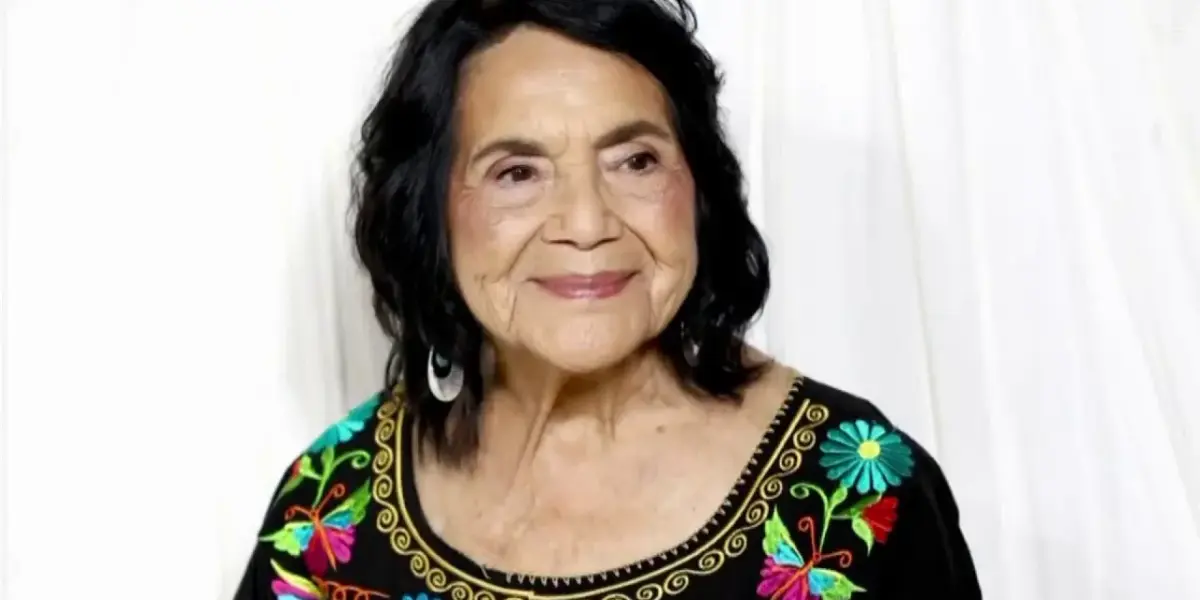
Labor leader Dolores Huerta has spoken out about allegations of sexual abuse against her former collaborator, the late Cesar Chavez. Huerta shared her experiences in a recent interview on the public radio show and podcast Latino USA. This comes shortly after a New York Times report detailed separate allegations against Chavez involving minors.
Huerta’s Account of Abuse
In the interview, Huerta described two forced sexual encounters with Chavez that she said resulted in pregnancies. She felt trapped and isolated during these incidents. Huerta stated she did not have anyone close by to call for help. She explained that Chavez set up the situations to ensure they were alone.
“That was kind of trapped, you might say. And I was not expecting those incidents to happen. I felt I was alone, I didn’t really have anybody close by that I could call for help or reach out to.”
Huerta revealed that her deep admiration for Chavez, who was her employer and boss, played a role in these events. She expressed regret that she never confronted Chavez about his actions, wondering if speaking out sooner might have prevented harm to others. “God knows, had I done that, maybe in some way, it would have prevented other women and girls,” she said.
Journalist Maria Hinojosa Shares Insights
Maria Hinojosa, the Pulitzer Prize-winning journalist and host of Latino USA, conducted the interview with Huerta. Hinojosa described Huerta, who is nearing 96, as a symbol of strength. However, in the interview, Huerta sounded broken and deeply sad. Hinojosa noted that Huerta is still coming to terms with these revelations, as is the public.
Hinojosa also shared her own experience as a survivor of sexual assault. She explained that many women do not come forward due to fear of not being believed or being attacked. Statistics show that two out of three people who experience sexual assault do not report it. Huerta felt her silence was necessary for the movement at the time, a sentiment Hinojosa found heartbreaking.
Understanding the Dynamics
The first alleged assault occurred around 1960, with a second in 1966. Hinojosa pointed out that at the time, Huerta, while alongside Chavez, did not have the same level of public fame. Coming forward then might have led to disbelief and public shaming. Chavez was a brilliant organizer but also, as Huerta suggested, a strategic abuser.
Hinojosa explained that Chavez’s respected status made it easier for him to isolate women. They might have felt admiration for him and believed nothing would happen. Hinojosa, who understood the reluctance to identify as a rape survivor after her own experience at 16, sees Huerta now wanting to bring this issue to the forefront.
Impact on Chavez’s Legacy
Chavez remains a significant figure for many, and his work with the United Farm Workers changed lives, including Hinojosa’s as a child. However, Hinojosa stresses that the movement was about people power, not just one individual. She believes people should be careful about giving too much power to any one person, especially men.
The revelations about Chavez’s alleged abuse prompt important questions about idolatry and the need for more women in positions of power. Huerta’s core message, Hinojosa emphasized, is about people power. The United Farm Workers succeeded because of the collective action of thousands of powerless people, not solely because of Chavez.
Moving Forward and Lessons Learned
Hinojosa expressed shock at how quickly some people are blaming Huerta, a reaction Huerta herself predicted. This blame discourages survivors from speaking out. Hinojosa urged people to examine their own reactions and biases.
The lesson from Huerta is to remember the power of collective action and to avoid granting unchecked power to individuals. Hinojosa also highlighted the ongoing need for more women in leadership roles. The fight for justice and equality, as championed by Huerta, continues, now with the added layer of addressing past harms and ensuring accountability.
Source: New interview with Dolores Huerta sheds light on allegations against Cesar Chavez (YouTube)

Related Articles


Hero’s Fall: Chavez Abuse Allegations Shake Civil Rights Legacy
Disturbing allegations of sexual abuse against civil rights icon Cesar Chavez are forcing a re-evaluation of his legacy. Survivors like Anna Murria and Dolores Huerta have bravely come forward, sharing decades of trauma. These revelations spark crucial conversations about accountability, women's rights, and the pervasive issue of power abuse.

Chavez Legacy Tarnished: Abuse Claims Spark Reassessment
New allegations of sexual abuse against civil rights icon Cesar Chavez have surfaced, prompting a difficult reassessment of his legacy. The New York Times investigation includes testimony from Dolores Huerta and other women, leading to the cancellation of planned celebrations and calls to rename landmarks.

Dolores Huerta Discusses Past Trauma, Chavez Allegations
Dolores Huerta has spoken out about past trauma and her relationship with Caesar Chavez, revealing she is still processing difficult events from the UFW's early days. She expressed regret over not confronting Chavez directly and shared her journey of healing from past sexual assault, aiming to bring these issues to the forefront.