War Fuels Inflation: Trump’s Risky Bet Backfires
A new war in the Middle East is driving up gas prices and hurting American families. This decision goes against President Trump's promises to focus on America first and avoid foreign conflicts. The war is unpopular and could cost billions, impacting the economy and upcoming elections.

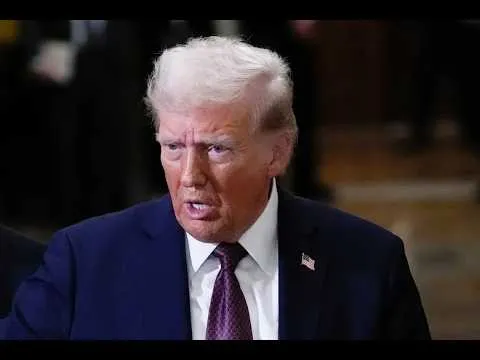
Trump’s War Policy Fuels Inflation, Hurts Voters
The decision to start a new war in the Middle East is causing major problems for Americans, especially when it comes to the cost of everyday things. Experts say this war is directly responsible for rising gas prices, which are already making it hard for families to make ends meet. This move goes against what President Trump promised voters on the campaign trail. He said he would focus on America first and avoid foreign conflicts.
Billions for War, Not for Americans
The Pentagon has asked for another $200 billion for the war effort. This is happening at a time when healthcare, food assistance, and education are being cut for Americans. People are asking why so much money is going to a war when families at home are struggling. With $200 billion, the administration could have fixed many problems, like restoring Medicaid cuts, lowering healthcare costs, improving schools, or ending child poverty. These are things that would help millions of Americans.
Unpopular War, Unpopular President?
The public does not support this war. A recent poll showed that only 37% of voters approve of the war, while 59% disapprove. This is happening just weeks after the conflict began. Many believe it’s the least popular war at its start in American history. This unpopular war could hurt President Trump’s party in the upcoming midterm elections, which are only six months away. Even if the war ended tomorrow, the damage might be too much to fix before voters cast their ballots.
Why Did Trump Start This War?
The reasons behind starting this war are unclear. Some believe President Trump feels he has almost god-like powers through the military, especially after successful operations in June and earlier this year. He might think there are no downsides to military action. Influential figures may have encouraged him, suggesting such actions would make him the greatest president in history. However, this advice seems out of touch with the reality of dealing with Iran and its military capabilities.
Communication Breakdown Fuels Problems
Normally, President Trump is good at managing the media and controlling the conversation. But on this war, he has failed. He never gave a major speech explaining his reasons for starting the conflict. Instead, he made small comments while also welcoming a soccer team and golfing on weekends. This lack of clear communication has created confusion and political problems related to the war.
Leaving the War: Best and Worst Cases
If President Trump decided to pull the U.S. out of the conflict now, the situation could still be complicated. Even if the U.S. leaves, other countries might continue fighting. This could lead to continued problems like the Strait of Hormuz remaining closed, which is a critical shipping route. Iran might also retaliate against U.S. interests in the region. It feels like the situation is already getting out of control.
The War Could Last Months
Many experts believe the war will continue for several more weeks, if not longer. There are reports of thousands of Marines being sent to the Middle East, possibly for ground operations. These operations could include removing nuclear materials from Iran or targeting its oil and gas infrastructure. This could lead to higher oil prices, potentially reaching $150 to $200 a barrel. This would be a major blow to the economy, especially since Trump had previously bragged about lowering gas prices.
Economic Fallout: Gas Prices and Beyond
The national average for gas has already reached $3.90 per gallon and could hit $4 next week. This is a significant increase in just one month. The Strait of Hormuz is also vital for global trade, with one-third of the world’s fertilizer passing through it. If it closes, prices for many goods will go up in the U.S. and hurt developing countries the most. Even if tensions calm down, gas prices are expected to stay high through the summer because supply chains take time to recover.
Republicans Face Tough Questions on Campaign Trail
Republican candidates will have a hard time explaining their support for this war, especially since President Trump promised to avoid such conflicts. Voters are already angry about rising costs for housing, groceries, and utilities. Now, they have to deal with higher gas prices caused by a war. Many voters supported Trump because he promised to lower costs and avoid new wars. His actions now seem to contradict those promises.
Broken Promises and Cracking Support
President Trump’s presidency has been marked by broken promises. He promised lower costs but engaged in a trade war that raised prices. He promised to end the war in Ukraine, which is still ongoing. Now, he has started a new war that directly increases the cost of gasoline. This is happening while many voters, especially younger ones, are concerned about spending money on wars instead of domestic issues. They also worry about being drafted.
A Graveyard of Broken Promises
The reality is that President Trump’s promises have often gone unfulfilled. He promised free IVF, but it did not happen. He promised lower costs, but his trade war increased them. He promised an end to the Russia-Ukraine war, which continues. Even a priority for some voters, like banning the weed killer Roundup, has not been addressed. These broken promises are starting to crack his political support.
Midterms at Risk
The current situation puts several close Senate races at risk for Republicans. States like Maine, North Carolina, Ohio, Alaska, Iowa, and Texas could see major shifts. This is especially true since the war has worsened the affordability crisis for Americans. The cost of this war is estimated at a billion dollars a day, a sum that was supposedly unavailable for domestic priorities before the conflict began.
The President’s Responsibility
Ultimately, the buck stops with the president. While economic factors like inflation and global events can influence prices, President Trump’s decision to start this war is a direct cause of the current rise in gasoline costs. This is not a situation where high prices would have happened regardless of who was president. His voluntary actions have directly led to higher costs for Americans, a key issue that voters are concerned about.
A Test of Patriotism or Political Calculation?
The administration asks citizens to accept temporary pain for the sake of patriotism, yet this same political party argued against wearing masks during COVID-19, calling even small sacrifices too much. Now, Americans are expected to pay higher gas prices because of a decision made without public debate or explanation. This war, costing billions daily, seems to contradict the president’s promises to focus on American needs and avoid costly foreign entanglements.
Distraction from Other Issues?
Some wonder if this war serves as a distraction from other sensitive topics, like the Jeffrey Epstein files. While President Trump might have found an unpopular issue, it doesn’t seem like he intended it to be. He likely believed the war would be easy and popular. However, starting a war directly contradicts his promises to voters, alienating those who believed he would prioritize cost of living and avoid foreign conflicts.
Why This Matters
This situation highlights a critical disconnect between political promises and actions. The decision to engage in a costly, unpopular war while domestic needs are unmet directly impacts the financial well-being of Americans. It raises questions about presidential decision-making, accountability, and the long-term consequences of foreign policy choices on the economy and public trust. The upcoming elections will likely serve as a referendum on these critical issues, forcing voters to decide if they believe their leaders are truly prioritizing their needs.
Looking Ahead
The implications of this war are far-reaching. Beyond the immediate economic pain, it could reshape international relations and influence future U.S. foreign policy. The conflict’s duration and ultimate outcome remain uncertain, but its impact on the current administration’s standing and the Republican party’s electoral prospects is already becoming clear. As the midterms approach, voters will be weighing the cost of this war against the promises made, potentially leading to significant political shifts.
Source: Breaking: Trump SPIRALS amid crushing news (YouTube)

Related Articles

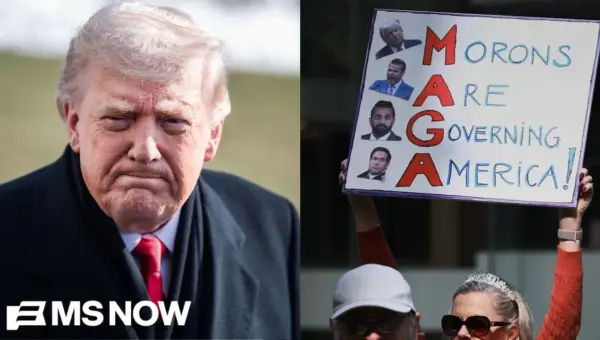
First-Time Protester Cites War, Prices as Key Concerns
An auto technician from Louisiana, Jared McCallup, joined his first major protest, the 'No Kings' movement, citing war profiteering and rising prices as his primary concerns. He aims to be a voice for those too afraid to speak out. McCallup's experience highlights the growing economic anxieties among everyday Americans.


Fed Rate Hike Fears Spark Stock Sell-Off
Investors are bracing for potential Federal Reserve interest rate hikes in 2026 as rising oil prices and persistent inflation clash with a slowing economy. This stagflationary concern has triggered a stock market downturn, presenting both risks and opportunities for investors.

Trump’s Iran Claims: Shocked or Deluded by War Games?
Donald Trump claimed surprise over Iran's actions in the Strait of Hormuz, but experts suggest retaliation was inevitable. Military war games likely predicted such a scenario, raising questions about the advice given to the President.