Dems Block Animal Abuser Act, Sparking Fierce Debate
House Democrats have blocked the "BOWOW Act," a Republican-led bill to deport animal abusers. The move sparks debate over immigration, public safety, and ICE funding, with critics accusing Democrats of obstructing measures that prioritize American citizens. The political fallout could influence voter sentiment and future policy.

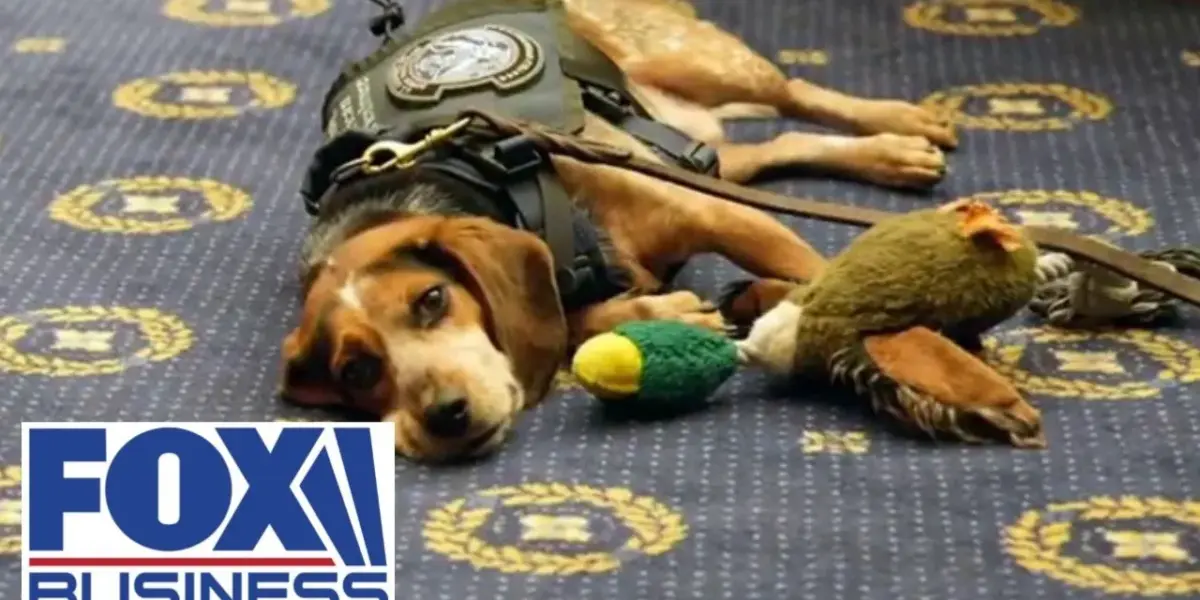
Democrats Block Bill Aimed at Deporting Animal Abusers
A recent legislative battle has erupted as House Democrats have opposed the “BOWOW Act,” a bill proposed by Republicans aimed at deporting individuals convicted of animal abuse. This move has ignited a heated debate, with critics arguing that the Democrats are prioritizing criminals over public safety and animal welfare.
Funding Standoff and Public Blame
The political wrangling comes amid broader discussions about funding for the Department of Homeland Security (DHS). Republican pollster Mitchell Brown noted that while Democrats have held up DHS funding, they haven’t faced significant public backlash. “With the White House, Senate, and Congress in Republican control, it is hard to blame something on the other party, even though they are the ones holding it up,” Brown explained. However, he stressed that this perception doesn’t align with how the public truly views the situation.
“The argument is just so aggravating for people who feel that Americans should always come first.”
Immigration as a Key Issue
Immigration remains a significant concern for voters, with polls showing about 60% of the public agreeing on the need for stricter measures. This issue is seen as a potential mandate for the Republican party in the upcoming 2025 elections. Democrats are accused of obstructing progress at every turn, a strategy that critics argue endangers both citizens and law enforcement officers, with potential economic repercussions down the line.
The Heart of the Debate: ICE and Animal Cruelty
At the core of the controversy is the Democrats’ stance on funding Immigration and Customs Enforcement (ICE). Critics point to specific cases, like that of “Freddie the Beagle,” to highlight the severity of animal abuse. They argue that non-citizens committing such crimes should face consequences, and that protecting them, rather than deporting them, is unacceptable. This stance is viewed by many as a failure to put American citizens and their safety first.
Political Strategy and Candidate Image
The discussion also touched upon the evolving strategies in political campaigns. There’s a growing trend of candidates presenting a more relatable image, often emphasizing a working-class background. This is seen in figures like Senator John Fetterman, who, despite some past controversies, is perceived as a strong candidate with broad appeal. His image as a younger, strong, white male from Maine who “looks the part” and “talks the part” is noted as a strategic advantage.
Controversies and Campaign Tactics
However, candidates are not without their baggage. Texas Democrat Senate nominee James Talarico faced scrutiny over a 2022 video where he declared his campaign a “non-meat campaign.” His team is now working to quell the firestorm, with Talarico photographed eating meat to prove he is not vegan. This incident highlights the careful image management required in modern politics.
Another Democratic candidate, who reportedly stated “God is nonbinary,” “loves trans children,” and that the “prison system is violence,” is also under fire. The effort to craft a public image for this candidate, including seemingly strategic choices like incorporating a Texas flag into campaign materials, suggests a calculated approach to appeal to voters. The effectiveness of these carefully constructed images and past statements in swaying voters remains to be seen.
Market Impact
While this specific legislative debate may not have an immediate, direct impact on broad market indices, it reflects deeper political tensions surrounding immigration and public safety. These issues can influence voter sentiment and, by extension, policy outcomes that could affect various sectors, particularly those related to law enforcement, border security, and social services. The broader political climate also plays a role in investor confidence and market stability.
What Investors Should Know
Investors should monitor how these political debates evolve, as they can signal future policy directions. Issues like immigration reform, border security, and law enforcement funding often have ripple effects across the economy. Understanding the public’s sentiment on these topics can offer insights into potential market shifts and sector performance. The focus on candidate image and messaging also underscores the importance of public perception in political outcomes, which can indirectly influence economic policy.
Source: House Dems poop on the Republicans' BOWOW Act (YouTube)

Related Articles
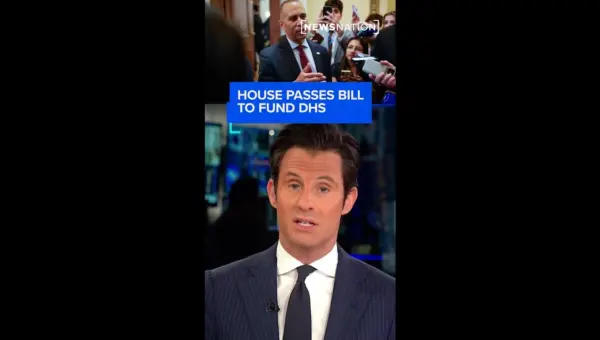
House Funds DHS Short-Term, Senate Stalemate Looms
The House has passed a short-term bill to fund the Department of Homeland Security, but the Senate is expected to reject it. This temporary measure highlights ongoing political divisions and the challenges in reaching long-term budget agreements in the U.S. Congress.
Congress Stalemate Threatens Border Security Funding
The U.S. House passed a temporary funding bill for the Department of Homeland Security, but Senate Democrats are expected to block it. This recurring stalemate highlights deep divisions over border policy and funding, potentially impacting national security and international perceptions of U.S. stability.
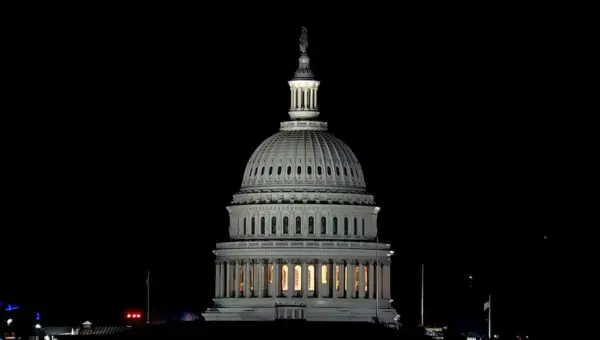
House Funds DHS, But Senate Deal Unlikely Amid Shutdown
The House of Representatives has passed a bill to fund the Department of Homeland Security, but the measure is unlikely to pass the Senate. TSA workers, who have faced missed paychecks and disruptions, may receive some pay soon due to a presidential order, but the broader shutdown continues.