Trump Officials Clash on War Stance, Epstein Probe Continues
Recent events highlight tensions within the Trump administration and ongoing investigations. A Pentagon leader's prayer sparked debate over religious inclusivity, while intelligence officials avoided confirming an "imminent threat" from Iran. Meanwhile, Jeffrey Epstein's estate executor testified, and a federal prosecutor was ejected from a courtroom in a Trump-related case.

Pentagon Leader’s Prayer Sparks Religious Debate Amidst War Concerns
A recent statement by the Secretary of Defense, which some have criticized as religiously exclusive, has ignited debate about prayer and inclusivity in public life. The leader of the world’s largest Christian denomination had previously called for a ceasefire and dialogue in ongoing conflicts. In contrast, the Secretary of Defense, identified as a proponent of prayer for troops, invoked Jesus Christ in his call for blessings. This has led to accusations that his message excludes non-Christians, including Jewish and Muslim Americans.
Critics argue that the Secretary’s specific invocation of prayer in the name of Jesus Christ excludes the 38% of Americans who are not Christian. They point out that even Catholic priests often pray standing, not just kneeling, suggesting a rigid and potentially exclusionary interpretation of religious practice. This has raised questions about whether the military leadership is taking direction from such religiously narrow views.
Intelligence Officials Dodge ‘Imminent Threat’ Questions on Iran
During recent congressional hearings on worldwide threats, intelligence officials faced scrutiny over claims of an imminent threat from Iran. The Director of National Intelligence, Tulsi Gabbard, and the Director of the CIA, John Ratcliffe, reportedly avoided directly confirming or denying that Iran posed an immediate danger to the United States. This stance came despite former President Donald Trump’s assertions that Iran was nearing a nuclear weapons capability and posed a direct threat.
Congressman Jimmy Gomez of California questioned why intelligence officials have a job if the President can disregard their assessments. He highlighted that the Director of National Intelligence is expected to gather and present intelligence, including threat assessments, to inform presidential decisions. However, under the current interpretation, it appears the President could act independently of this intelligence, potentially leading to a “war of choice” rather than a response to a clear and present danger.
The testimony revealed that while intelligence assessments may have included timelines for potential threats, the determination of “imminence” is ultimately made by the President. Critics suggest this allows for a subjective interpretation of threats, potentially driven by political motives rather than objective intelligence. The lack of a clear, unified message from intelligence leaders on the Iran threat has fueled concerns about transparency and the basis for potential military action.
Epstein Estate Executor Testifies Amidst Ongoing Investigation
Darren Indyke, a former attorney and co-executor of Jeffrey Epstein’s estate, recently testified before the House Oversight Committee regarding his role and knowledge of Epstein’s alleged wrongdoings. His testimony came after a suggestion from attorney Bradley Edwards, who represents many Epstein survivors, that Indyke and another executive should be subpoenaed. This led to the committee obtaining Epstein’s “birthday book,” which reportedly contains Donald Trump’s signature.
In his opening statement, Indyke asserted he had no knowledge of Epstein’s abuses. He stated that the estate has paid out significant sums to alleged victims, expecting to authorize over $200 million in claims. Indyke also claimed that no woman had ever accused him of abuse or reported witnessing abuse to him, adding that he would have severed ties with Epstein if aware of any wrongdoing.
However, some officials expressed skepticism. Congressman Dave Min suggested that Indyke’s claims of ignorance were not credible, citing reports of him assisting women with housing and immigration issues, and allegedly advising them not to speak with the police. Congressman Ro Khanna echoed these doubts, questioning the plausibility of Indyke’s claim of not knowing Epstein’s activities for decades and his explanation for withdrawing cash in small increments. The investigation into Epstein’s network and the handling of his estate remains ongoing.
Federal Prosecutor Ejected from Courtroom in Trump-Affiliated Case
In a highly unusual event, a federal prosecutor was reportedly ejected from a courtroom during a sentencing hearing, a situation described as exceedingly rare in American legal history. The incident occurred in New Jersey when a judge questioned the involvement of Alina Habba, a former personal attorney for Donald Trump who was illegally appointed as U.S. Attorney. During the exchange, another attorney, Mark Coin, who had not formally entered an appearance in the case, allegedly shouted responses to the judge.
The judge, after repeatedly ordering Coin to stop speaking, had him removed from the courtroom. Court transcripts reveal a tense exchange where Coin insisted Habba was not running the office, contradicting the prosecutor’s uncertainty about her involvement. Senator Sheldon Whitehouse, a former federal prosecutor, noted that such an event signifies a complete loss of credibility for the U.S. Attorney’s office in that jurisdiction, particularly given Habba’s prior role as Trump’s personal lawyer and her contested appointment.
This incident adds to a series of legal challenges and controversies surrounding cases involving former Trump administration officials and associates. The judge’s actions and the subsequent questioning of office leadership highlight concerns about the independence and integrity of the justice system when political influence is perceived to be at play.
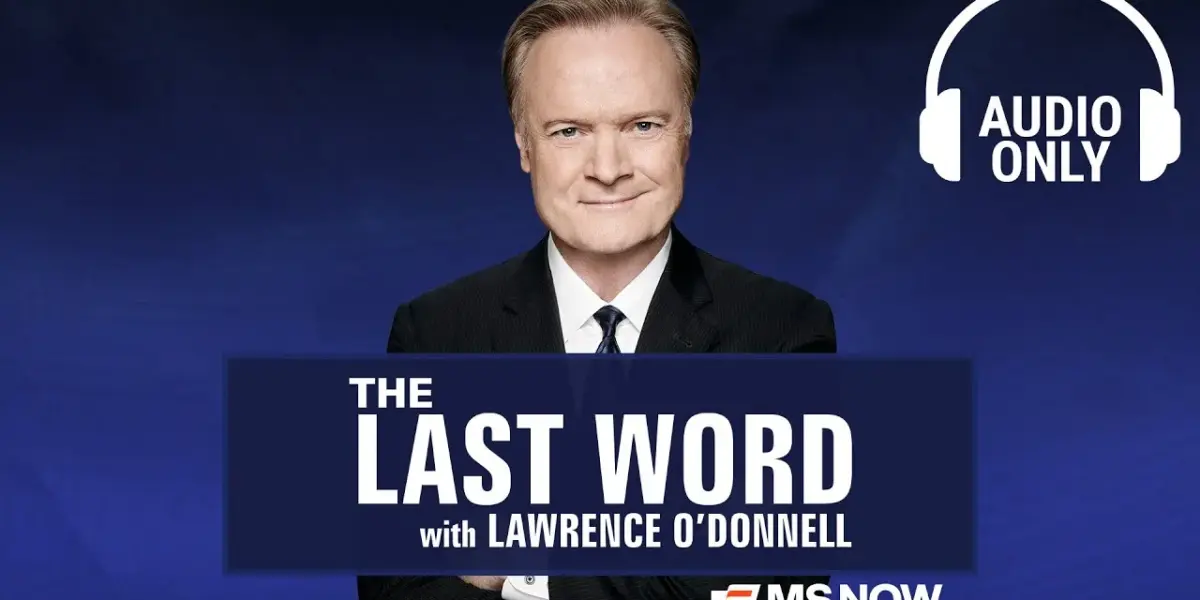
Source: The Last Word with Lawrence O'Donnell – March 19 | Audio Only (YouTube)

Related Articles
Trump’s Name Everywhere: A ‘Stain’ on GOP Legacy?
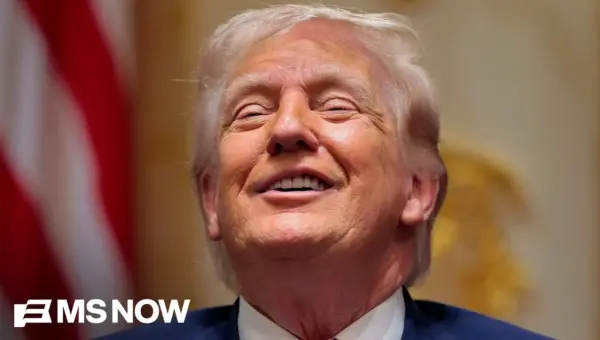
Former President Donald Trump's efforts to brand national symbols, including a proposed signature on dollar bills, spark debate. Critics view this as an authoritarian attempt to embed his legacy, potentially staining the Republican Party's history and contrasting with democratic ideals of public ownership.
Trump’s War Talk Stuns Financial Crowd
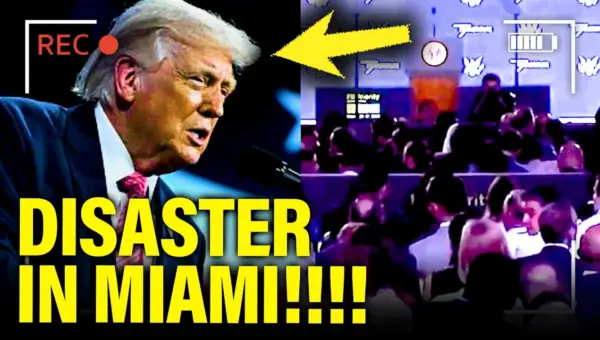
Donald Trump's recent speech in Miami focused on his foreign policy, particularly his critical views on NATO and his vision for international relations. He declared the U.S. would no longer defend NATO allies, questioned the value of existing alliances, and suggested renaming the Strait of Hormuz. The speech also touched on his personal views of success, his allies, and his perceived role as a global peacemaker.
Trump’s Warpath: New Threats Signal Imperial Ambitions
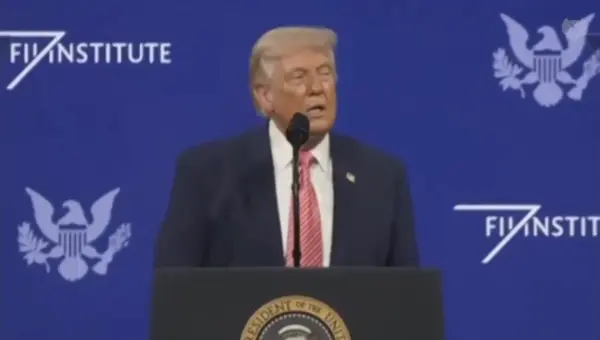
Recent statements from Donald Trump reveal a potential embrace of increased military action and interventionist foreign policy. This approach, characterized by critics as "imperialism 2.0," contrasts with his past promises of peace and has even drawn criticism from parts of his own base. The implications for U.S. global engagement and domestic priorities are significant.