Israel Claims Iran Can’t Enrich Uranium After Strikes
Israeli Prime Minister Benjamin Netanyahu claims Iran can no longer enrich uranium or develop ballistic missiles following recent strikes. However, experts caution that significant stockpiles of enriched uranium remain, posing a persistent threat. Addressing these materials may require difficult ground operations or await a change in Iran's regime.

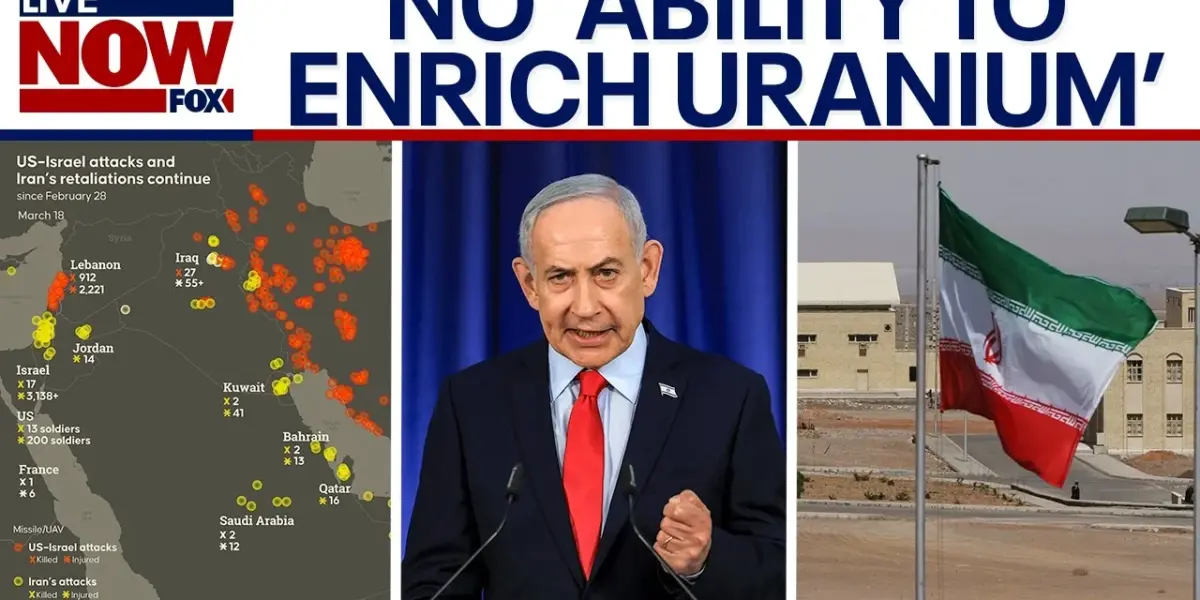
Netanyahu: Iran’s Nuclear Ability Halted Post-Strike
Israeli Prime Minister Benjamin Netanyahu announced today that Iran no longer possesses the capability to enrich uranium or develop ballistic missiles. This statement comes as President Trump has repeatedly cited Iran’s nuclear program and missile development as major reasons for military actions in the Middle East. The Prime Minister’s assertion suggests a significant shift in Iran’s capacity to pursue nuclear weapons.
Expert Questions Confidence in Claims
Andrea Stricker, a nuclear non-proliferation expert at the Foundation for Defense of Democracies, expressed skepticism regarding the full extent of Netanyahu’s claims. While acknowledging that actions like Operation Midnight Hammer last June may have degraded Iran’s path to nuclear weapons, Stricker highlighted that significant challenges remain. “Outstanding of course remains the question of Iran’s highly enriched uranium stocks,” she stated, noting that enough material for approximately 11 nuclear weapons is believed to still be stored in underground facilities. The U.S. intelligence community recently affirmed the presence of these remnants in testimony, indicating that despite degraded enrichment sites, the remaining materials pose a serious concern.
The Uranium Stockpile Challenge
Reports suggest Iran holds around 970 pounds of enriched uranium. The critical question is how the U.S. and Israel can ensure this material cannot be used for weapons. Stricker explained the difficulty in dealing with damaged or destroyed facilities. The Esfahan tunnels, for instance, were reportedly hit by Tomahawk missiles, making their entrances inaccessible. The Ford enrichment site is located deep underground, about 60 to 80 meters below a mountain. “If we’re talking about ensuring this material doesn’t remain in play anymore, it could require even special forces teams to go in and excavate it,” Stricker commented.
Potential for Ground Operations
The idea of boots on the ground is a significant consideration. Stricker suggested that President Trump might wait for improved security conditions before authorizing any operation that could put his team at risk. “Likely you would need some a special forces team on the ground. Nothing lengthy. Uh although it could require some excavation activity at those sites,” she explained. It’s possible such actions might only be feasible after a regime change in Tehran, creating a more secure environment for international bodies like the IAEA or a UN team to oversee the dismantlement of facilities and assets. Simply striking these sites again with bunker-busting bombs might not be sufficient.
Speed of Weaponization
The process of turning enriched uranium into a weapon is alarmingly fast. Steve Witoff, the President’s special envoy to the Middle East, has pointed out that it takes only a few days to reach weapons-grade enrichment levels, from 60% to 90%. “The Iranians would really just need a small enrichment plant with a few hundred advanced centrifuges,” Witoff noted. Stricker expressed hope that Netanyahu is correct about Iran’s current lack of enrichment capacity, as this would grant the U.S. and Israel more time to address the existing enriched uranium stockpile later.
Intelligence Surveillance and Future Actions
In the immediate term, U.S. and Israeli intelligence are expected to maintain constant surveillance over these facilities. “Certainly, they could uh deny access to people, Iranian officials or teams that might try to go into these facilities. I would certainly expect that US and Israeli intelligence eyes uh from the air on that if not on the ground uh to eliminate anybody who might come close or try to gain access to the HU,” Stricker stated. This suggests a strategy of active monitoring and intervention to prevent unauthorized access to the enriched uranium.
Looking Ahead
The coming months will be crucial in determining the true state of Iran’s nuclear program. Continued intelligence gathering and potential diplomatic or covert actions will be key. The world will be watching to see if Iran’s nuclear ambitions can be permanently curbed and whether the remaining enriched uranium can be secured or neutralized effectively.
Source: Netanyahu says Iran has no ‘ability to enrich uranium’ after strikes (YouTube)

Related Articles

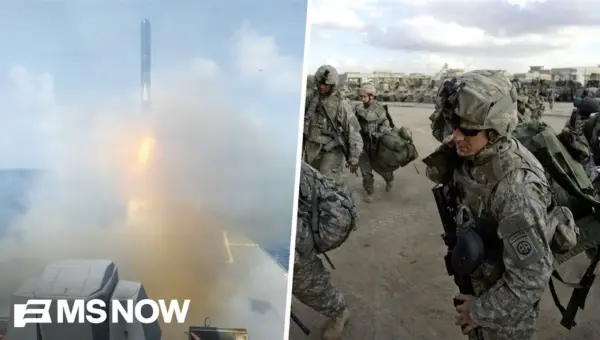
Iran Missile Strikes Injure US Troops, Raise War Concerns
Iranian missile strikes have injured U.S. service members, escalating tensions as the conflict nears one month. The attacks are raising concerns about the effectiveness of U.S. military strategy and the depletion of crucial missile stockpiles. Global oil prices have surged, impacting economies worldwide.


Saudi Arabia Pushes US for Iran War, Report Claims
Saudi Arabia's Crown Prince Mohammed bin Salman has reportedly urged the US to escalate military action against Iran, viewing it as an opportunity to reshape the Middle East. While Saudi officials deny the report, the push comes amid increased Iranian attacks on Saudi oil infrastructure. Experts suggest a complex dynamic where Saudi Arabia seeks US intervention while also managing the risks of regional instability.


Gulf States Demand Seat at Table on Iran’s Nuclear Future
Gulf states are demanding a seat at the table for any U.S.-Iran talks regarding Iran's nuclear future. This move reflects a growing assertiveness and a desire to shape regional security directly. It signals a potential shift towards more inclusive diplomatic efforts in the Middle East.