Trump Administration Battles Press Over Iran War Coverage
The Trump administration is escalating its public criticism of US media outlets covering the Iran war, accusing them of bias and spreading "fake news." Veteran journalist Frank Sesno describes the approach as unprecedented and disturbing, arguing that it undermines public trust and distracts from critical real-world issues.

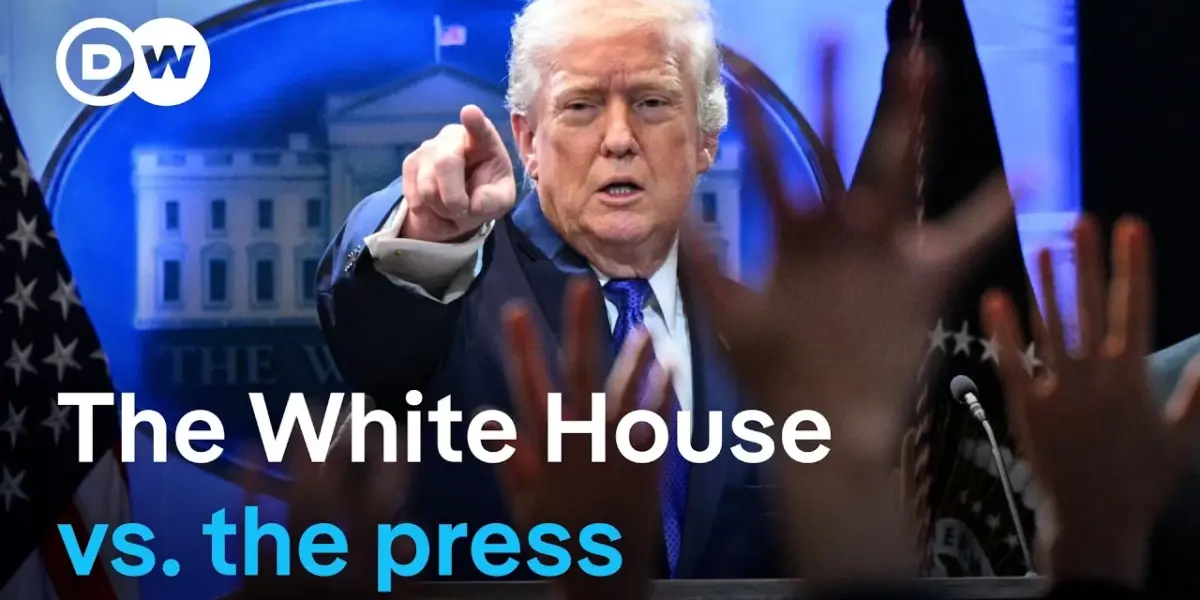
White House Escalates Conflict with Media Amidst Iran War
As the United States engages in conflict with Iran, a significant rift is widening between the White House and the American press. President Trump and his allies are increasingly criticizing media coverage, labeling it as biased and inaccurate. This escalating tension raises questions about the role of journalism during wartime and the administration’s efforts to control the narrative.
Administration’s Stance on Media Coverage
Defense Secretary Pete Hexith directly addressed the public, stating, “I stand here today speaking to you, the American people, not through filters, not through reporters, not through cable news spin.” He accused the press of being “dishonest and anti-Trump” and aiming “to downplay progress, amplify every cost, and call into question every step.” This sentiment echoes President Trump’s own strong words, who has referred to some reporting as “fake news” and suggested that media companies putting out false information could be in “serious jeopardy.”
Expert Analysis: A Departure from Precedent
Frank Sesno, a veteran White House correspondent and now a professor of media and public affairs, finds the current situation highly unusual and disturbing. “No, I’ve never seen anything like it,” Sesno stated. He explained that historically, presidents leading the nation into war have understood the need to build and maintain public and global support. “Credibility matters,” Sesno emphasized, noting that administrations have typically acknowledged setbacks and the human cost of conflict, even while trying to shape the narrative. He contrasted this with the current administration’s approach, which he described as portraying everything as positive and failing to confront the complexity and setbacks of the situation.
Reframing Accountability as Opposition
The dynamic between the press and the government appears to have shifted, with journalistic scrutiny now being framed as political opposition. “Reporting the news is almost tantamount to being an enemy of the people,” Sesno observed, highlighting the extreme nature of this shift. He pointed to actions like the FCC chairman suggesting broadcast networks could lose their licenses over unfavorable coverage, calling it an “authoritarian threat.” Sesno clarified that there isn’t widespread deliberate misinformation in traditional news reporting. Instead, he highlighted the rise of a significantly changed and often partisan media landscape.
Concerns Over Institutional Influence
There are also concerns about the administration’s attempts to influence media institutions themselves. Following a critical report by CNN on the Iran war’s impact, Defense Secretary Hexith specifically mentioned David Ellison, the CEO of Paramount, whose company is acquiring CNN’s parent company. Hexith suggested, “The sooner David Ellison takes over that network, the better.” Sesno noted the potential pressure on media organizations, even as Ellison has stated his desire for an independent news organization. “Rather than spending your time trying to shoot the messenger,” Sesno advised, “how about a serious consideration and discussion with the American people… about what did you know about the risk… about what can be done to open that up.” He argued that focusing on “real world issues on the ground” would be more productive than complaining about unfavorable coverage.
The Role of Journalists in Wartime
When asked about the effectiveness of journalists, particularly those in Washington, Sesno distinguished between different types of media. For traditional, professional journalists focused on factual reporting, he believes most are trying hard to do their job, often at personal risk. However, he pointed to a significant challenge: the Trump administration’s lack of availability and its tendency to attack questions rather than answer them. “That’s a very desperate attempt to change the subject and… shoot the messenger,” Sesno stated. He concluded that in a war situation with high stakes, the focus should be on responsible leaders answering serious questions, not on constant attacks against the media.
Looking Ahead
The ongoing conflict between the Trump administration and the press over Iran war coverage highlights a critical tension between government communication and journalistic independence. As the situation on the ground in Iran develops, the public discourse will likely continue to be shaped by this dynamic. The willingness of the administration to engage with serious questions and the resilience of journalists in seeking and reporting factual information will be key factors to watch in the coming weeks and months.
Source: Trump government escalates attacks on US media over Iran war | DW News (YouTube)

Related Articles
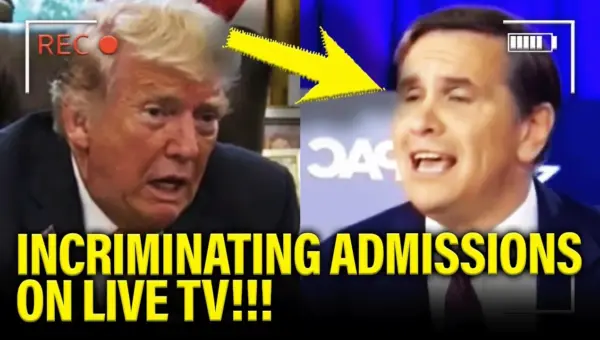
DOJ Official’s Remarks Spark Outrage Over Political Allegations
A top Trump DOJ official's speech at CPAC has sparked controversy, with claims of incriminating admissions regarding fears of prosecution and alleged political motivations. The remarks have raised serious questions about impartiality within the Department of Justice.

Americans Rally for Democracy Amidst War and Economic Woes
Thousands of Americans are participating in "No Kings" rallies nationwide, demanding accountability from leaders and drawing parallels to historical movements that spurred significant change. The protests occur amidst a controversial war with Iran, economic uncertainty, and a partial government shutdown. Organizers emphasize solidarity, joy, and the power of collective action in defending democracy.
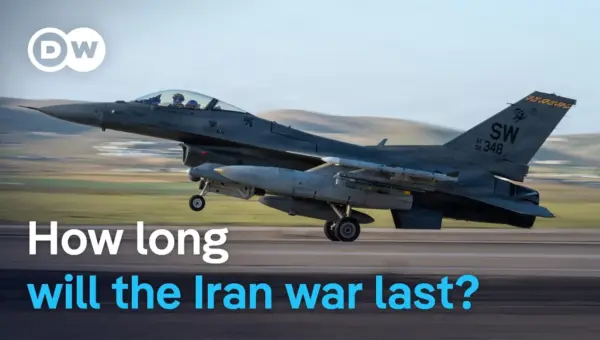
US Official Claims Iran War Could End Soon; Expert Skeptical
Despite US envoy Steve Woff's optimism about imminent talks and a swift end to the conflict with Iran, expert Aaron David Miller expresses significant doubt. Miller argues that a lack of shared urgency and fundamental miscalculations by the US administration make a quick resolution unlikely.