High Taxes Push Millionaires Out of Blue States
Wealthy individuals are leaving high-tax states due to rising costs and tax burdens, seeking more affordable options in lower-tax regions. This domestic out-migration, accelerated by remote work, presents financial challenges for departing states and economic opportunities for those gaining residents. Energy price volatility and political rhetoric add further complexity to the economic outlook.

High Taxes Push Millionaires Out of Blue States
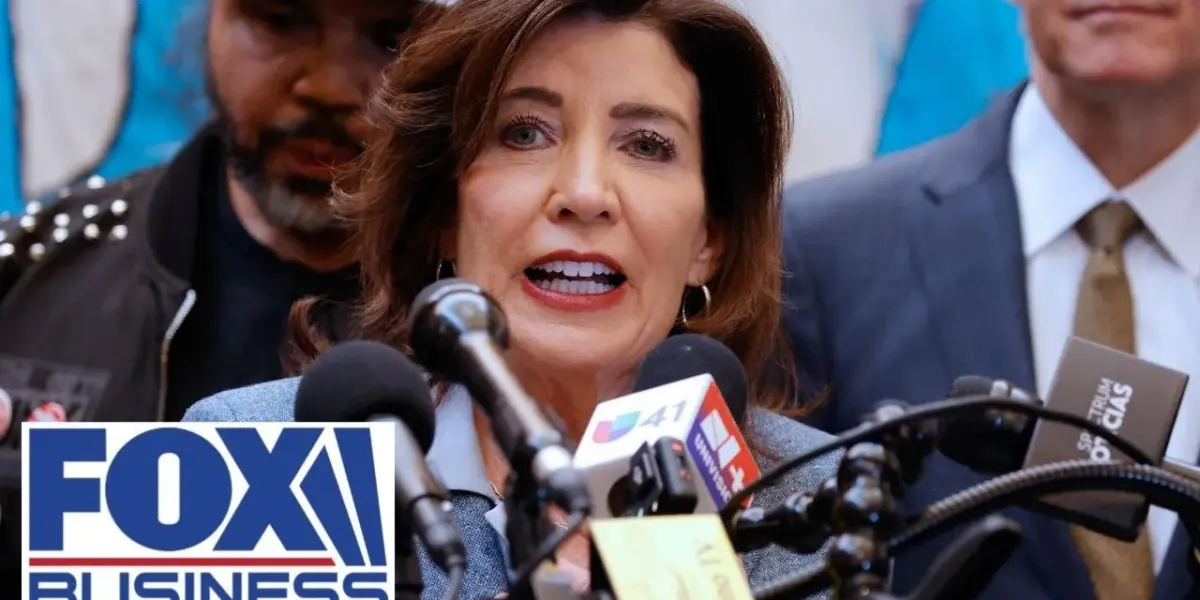
High income taxes and the rising cost of living are driving wealthy individuals, often called “patriotic millionaires,” away from states with higher tax burdens. These individuals, who may express a willingness to pay more in taxes, are increasingly choosing to relocate to states with lower tax rates and a more affordable lifestyle. This trend, known as domestic out-migration, is reshaping the economic landscape of both the states losing residents and those gaining them.
Economists and analysts point to states like New York as examples where tax increases have directly led to an exodus of high-net-worth individuals. Research conducted five years ago predicted that such tax hikes would encourage people to move to states like Texas, Tennessee, and Florida. These destination states typically feature no or very low income taxes and a generally lower overall state and local tax burden. Evidence over the past four to five years has largely confirmed these predictions.
The ‘Work From Home’ Effect
The rise of remote work has significantly contributed to this migration pattern. People are no longer as tied to living in expensive, high-tax states. They can now choose to live where they prefer, often opting for locations with a lower cost of living and more favorable tax environments. This shift provides individuals with greater freedom to move away from what are often described as “blue states” with very high taxes and living expenses.
Concerns Over Economic Repercussions
This outflow of wealthy residents raises concerns for states that rely on their tax contributions to fund extensive social programs. When a significant portion of the tax base erodes, it can create financial challenges for state governments. Calls for these individuals to return are met with the reality that reversing this trend is difficult. It is much easier for millionaires to leave a state than it is to convince them to come back.
Energy Prices and Affordability
Beyond state taxes, broader economic concerns like high energy prices are also impacting affordability. Rising gas and oil prices have a ripple effect, increasing the cost of food, housing, and technology. Some analyses suggest that average gas prices were lower during a previous presidential term compared to a more recent one, highlighting the sensitivity of consumer costs to energy markets.
The volatility of energy prices adds another layer of uncertainty for both consumers and policymakers. While rebates and financial relief measures can help, they may be offset by rapidly increasing energy costs. The speed at which gas prices can rise is often much faster than the pace at which they fall, making recovery a slow process.
Geopolitical Impact on Energy
Geopolitical events, such as conflicts in key energy-producing regions like the Strait of Hormuz, can further disrupt energy markets. The impact on oil and gas prices depends heavily on the duration and severity of such events. If infrastructure damage is minimal and production can be restored quickly, prices might stabilize. However, prolonged conflicts and continued attacks on energy infrastructure could lead to sustained price increases, making it difficult to return to pre-conflict levels.
Predicting exact oil prices is notoriously difficult, with experts cautioning against definitive forecasts. The situation remains fluid, and market reactions can be swift and unpredictable. The timeline for resolving such conflicts and restoring energy flow is a critical factor in determining future price trends.
Political Rhetoric and Economic Freedom
Political rhetoric surrounding economic policies and corporate behavior is also a point of discussion. Some officials have issued strong statements regarding corporations that have worked with past administrations, suggesting potential retribution. This type of political posturing can create an environment of uncertainty for businesses and investors.
Concerns have been raised about the politicization of the justice system and the potential for retaliatory actions against political opponents in the business world. This is seen by some as a threat to economic freedom, where the judicial system should be impartial and protect property rights. A system perceived as an arm of bureaucratic governance that punishes political adversaries can undermine confidence in the market and the rule of law.
Market Impact
The migration of wealthy individuals from high-tax states to lower-tax states is a significant trend with long-term implications. States losing residents may face budget shortfalls, potentially leading to reduced public services or further tax increases, which could exacerbate the problem. Conversely, states attracting these individuals may see increased economic activity and a broader tax base.
Fluctuations in energy prices, driven by geopolitical events and domestic policy, directly impact household budgets and corporate costs. This affects consumer spending and business investment. The perception of political stability and the fairness of the legal and regulatory environment are crucial for attracting and retaining investment.
What Investors Should Know
Investors should monitor state-level tax policies and economic growth trends. Understanding where capital is flowing and why can provide insights into regional economic health. Additionally, staying informed about global energy markets and geopolitical developments is essential, as these factors significantly influence inflation and corporate profitability.
The relationship between political actions and economic outcomes is critical. Policies that foster a stable, predictable, and fair business environment are generally more conducive to long-term investment and economic growth. Investors should be aware of how political rhetoric and potential policy changes might affect different sectors and asset classes.
Source: ‘DOMESTIC OUT-MIGRATION’: Economist warns residents are being driven out of high-tax states (YouTube)

Related Articles

Markets Tumble Amid Iran Tensions and Shutdown Gridlock
Wall Street experienced a significant slide today, with the Dow and Nasdaq entering correction territory, driven by escalating tensions with Iran and market uncertainty. Meanwhile, a government shutdown continues to cause chaos at airports nationwide, leaving thousands of workers unpaid and travelers facing long delays. The global energy supply is also under pressure, impacting prices and availability worldwide.


Iran Talks Gain 10 Days, But Markets Remain Skeptical
Iran has secured a 10-day extension for negotiations, but financial markets remain unconvinced, showing little reaction to the news. Rising energy and borrowing costs, coupled with geopolitical tensions, continue to pressure global markets and consumer spending.

Red States Face Tax Dilemma as Voters Demand Services
Voters in Republican-led states are signaling a change in priorities, indicating they'd rather pay higher taxes for essential services like roads and schools than continue with tax cuts. This marks a significant shift from decades of anti-tax rhetoric and presents a new challenge for politicians.