GOP Claims Democrats Seek ‘Cheat’ Via Voting Access
Senator Eric Schmitt accused Democrats of seeking to 'cheat' in elections by opposing voter ID laws and supporting mass mail-in balloting. He argued these measures would allow non-citizens to vote and gain political power, a stance he labeled as 'radicalized.' The debate touches on fundamental disagreements about election integrity and access.

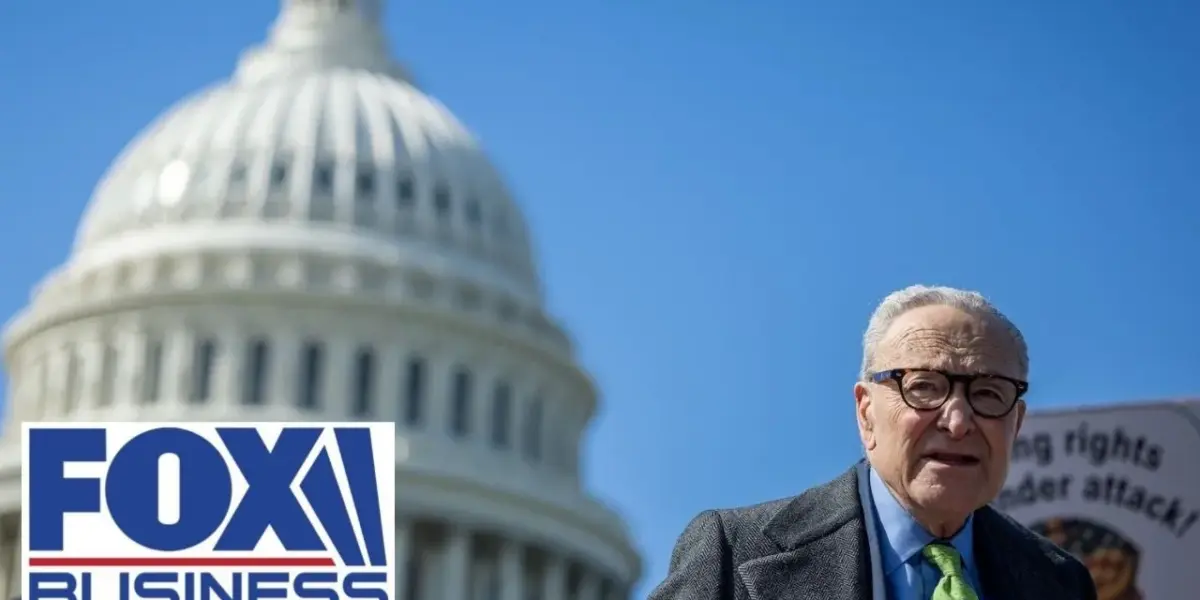
GOP Senator Accuses Democrats of Enabling Election ‘Cheating’
A prominent Republican senator has voiced strong accusations against Democrats, claiming their voting access proposals are designed to facilitate election ‘cheating.’ Senator Eric Schmitt of Missouri stated that Democrats are opposing voter identification laws and mass mail-in balloting measures because they want to make it easier for non-citizens to vote and gain political power.
The controversy centers around proposed legislation, which Republicans have labeled as a form of ‘Jim Crow 2.0.’ Democrats, however, argue these measures are unnecessary and would disenfranchise eligible voters. Senator Schmitt asserted that the true intention behind Democratic opposition is to allow for fraudulent voting practices.
Focus on Voter Identification and Non-Citizen Voting
Schmitt specifically pointed to policies like mass mail-in balloting and the absence of photo ID requirements as avenues for potential fraud. He stated, ‘They brought 15 million people here illegally and they want to make it easier to cheat through mass mail-in balloting, no photo ID. You don’t have to be an American citizen.’ He believes that American elections should exclusively be for American citizens.
This stance comes amid debates about election integrity. Republicans argue that requiring photo identification at the ballot box is a common-sense measure supported by a vast majority of Americans. A study from the University of Georgia, cited by the senator, indicated that over 95% of Georgia voters reported a positive experience with voter ID laws, finding them easy to use.
“The truth is, Liz, they want to be able to cheat.”
Claims of Non-Citizen Voting in Georgia
Senator Schmitt also addressed claims made by Democratic Senator Raphael Warnock regarding non-citizen voting in Georgia. While Warnock has reportedly dismissed the issue, Schmitt suggested that illegal immigrants have indeed voted in elections. He cited concerns that individuals obtaining driver’s licenses could then use them to register to vote, creating a loophole.
The senator highlighted that Georgia law, as confirmed by the state’s Secretary of State, requires photo ID for both in-person and absentee voting to ensure the person casting the ballot is eligible. He argued that studies used by Democrats to claim non-citizens are not voting are flawed and lack sufficient oversight to be credible.
Broader Political Context
Schmitt characterized the Democratic party’s position as ‘radicalized,’ suggesting a departure from common sense and the will of the majority. He contrasted this with the past, invoking the ‘ghost of Chuck Schumer from the 90s,’ implying that the current Senate Majority Leader has changed his views significantly on election security.
The core of the Republican argument is that Democrats are actively resisting basic security measures to maintain power, potentially by inflating voter rolls with non-citizens. ‘We’re standing up for the American people saying American elections are for American citizens,’ Schmitt emphasized. He believes this is a fundamental aspect of national competence and the preservation of the country’s democratic processes.
Market Impact / What Investors Should Know
While this debate is primarily political, shifts in election laws and voting access can have indirect economic implications. Policies affecting voter turnout and the composition of the electorate could, over the long term, influence government spending priorities, regulatory environments, and overall economic policy. For instance, changes in voting laws might impact demographics of elected officials, potentially leading to different approaches to fiscal policy or industry regulation.
Investor sentiment can also be affected by perceived instability or controversy surrounding election processes. Uncertainty regarding election integrity or significant partisan battles over voting rights could create short-term market volatility. However, the direct impact on specific sectors or asset classes from this particular debate is likely minimal unless it leads to broader political instability or significant policy changes affecting business operations.
Long-Term Implications
The ongoing discussion about election security and voter access highlights fundamental disagreements about the nature of democracy and representation in the United States. The outcomes of these debates could shape election administration for years to come, influencing who can vote, how they vote, and how votes are counted.
For investors, understanding these underlying political currents is crucial for anticipating potential future policy shifts. While immediate market reactions may be limited, the long-term trajectory of economic policy is often influenced by the political landscape and the parties in power, which in turn can be affected by voting access and election outcomes.
Source: Democrats want to be able to 'CHEAT,' says GOP senator (YouTube)

Related Articles

Voter ID: Common Sense or Suppression?
A growing debate surrounds voter ID laws, with proponents calling them a common-sense measure against fraud and opponents fearing voter suppression. Many countries and U.S. states already require ID to vote.
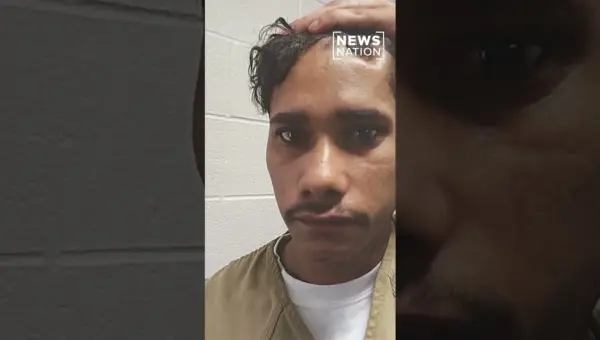
Immigration Debate Ignites Over Murder Suspect’s Status
A Venezuelan national accused of murder has become a focal point in the U.S. immigration debate. Prosecutors presented evidence of his alleged involvement in a student's death, while the defense highlighted his difficult background. The case raises questions about public safety and migrant support.

Election Battles Erupt: Citizens Fight Back Against Gerrymandering
Citizens are fighting back against what they see as unfair election practices and gerrymandering. In Missouri, a grassroots movement is using a citizen initiative process to challenge new district maps and ensure voters have the final say. This struggle for fair representation highlights a growing trend of civic engagement.